
0
£0.00
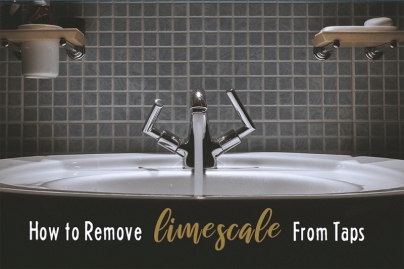
Limescale, or calcium carbonate, is a common sight in kitchens and bathrooms across Britain, particularly in the southeast where water is hardest. Hard water carries a high mineral content, usually picked up as it passes through limestone. While hard water poses no real health risk at drinking concentrations, it can do real damage to your taps and plumbing over time.
When hard water sits on a surface and evaporates, it leaves its mineral content behind as a chalky white residue. This residue hardens quickly, and once a small amount is present, more builds on top of it faster than on a clean surface. Taps, shower heads, kettles and drains are all frequently wet, which makes them prime spots for limescale to take hold if left unchecked. Left long enough, heavy deposits can restrict how your plumbing functions or even cause blockages.
Avoid wire wool, scouring pads or other abrasive tools. They may shift the limescale, but they will also mark the finish underneath. A mild acid is the safer approach: it breaks the mineral deposit down so it can be wiped away rather than scraped off.
Vinegar and lemon juice are the standard household options, both cheap and easy to find. For tougher build-up, pickling vinegar or lime juice have a bit more strength. If the limescale is old and stubborn, a dedicated limescale remover such as HG Professional Limescale Remover or Viakal Original Descaler Liquid will work faster.
The tricky part is keeping the solution in contact with the tap while it works, since most modern surfaces are designed to shed liquid rather than hold it.
Soak cotton wool pads in your chosen solution and wrap them around the affected areas of the tap. Secure them with tape or string so they stay in place, then leave them for at least an hour, ideally two. Once removed, the limescale should be soft enough to wipe away, or come off easily with a soft scourer. Repeat if any residue remains.
If you have squeezed your own lemon or lime, the leftover halves can be pushed onto the ends of tap spouts as an easy alternative to cotton pads.
A quick daily wipe after use makes the biggest difference, since it is the evaporation that leaves minerals behind in the first place. A tap wiped dry each day never gets the chance to build a film. Weekly, a wipe-down with diluted vinegar catches anything that has started to form before it compounds into a proper deposit.
The same approach, mild acid, time, then a gentle wipe, works across chrome, stainless steel, brushed nickel and brass finishes. Chrome and brushed nickel are plated finishes, so they are the most vulnerable to scratching from anything abrasive, which makes the no-scrubbing rule especially important there. Brass can be more reactive with strong acids if exposed repeatedly, so a weaker solution and shorter soak time is the safer choice on brass fittings.
Vinegar or lemon juice can also tackle limescale elsewhere in the home. Run a cup of either through an empty washing machine or dishwasher cycle to clear build-up inside the workings. For kettles, fill with enough solution to cover the element, top up with water, then boil. Always rinse thoroughly afterwards so no residue ends up in your tea or coffee.
If home remedies do not shift stubborn limescale, a specialist cleaning product from a DIY supplier should manage it, provided you follow the instructions and rinse taps and kettles properly afterwards. Once your taps are limescale-free, our guide on Cleaning Chrome in your Bathroom will help keep them looking sharp.

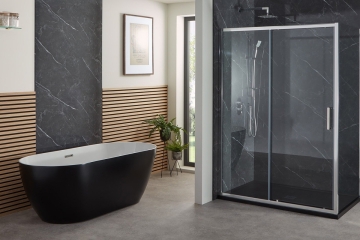
Shower door selection determines how you access your shower daily, how much space the bathroom loses to door swing, and whether you're fighting with mechanisms or enjoying smooth effortless operation.
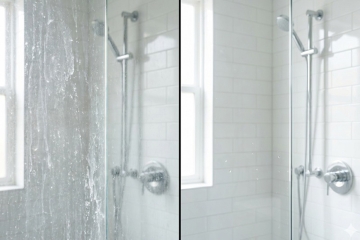
That cloudy white haze covering your shower glass isn't dirt, grime, or evidence of inadequate cleaning. It's limestone, deposited molecule by molecule through thousands of shower cycles, now bonded to the glass with chemistry that laughs at your spray bottle. Standard bathroom cleaners target soap scum and body oils; hard water deposits are minerals requiring completely different chemistry. You can scrub until your arm aches - the stains aren't budging through force alone. Here's what actually works.
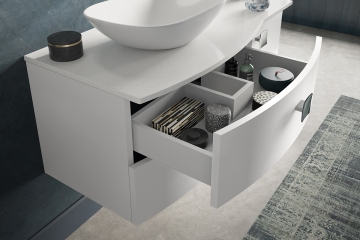
Painting your bathroom vanity transforms its appearance for a fraction of replacement costs, but doing it properly requires specific techniques that differ from painting ordinary furniture. Bathrooms create challenging conditions with humidity, temperature fluctuations, and constant contact with water that destroy poorly executed paint jobs within months. Here's how to achieve results that actually last.
By signing up I agree to receive HeatandPlumb.com emails and to the privacy policy. I can also unsubscribe at any time