
0
£0.00
Nobody wants a cold bathroom or home, especially not in the middle of a particularly bad British winter. With these guides we give you the lowdown on how to keep your home warm, whether that's making sure your radiator is performing at its best or saving your money with energy saving tips.

BTU stands for British Thermal Unit. Find out what it means on a radiator, how it differs from watts, and how to work out the BTU your room needs.

Radiator reflectors promise to boost your heating efficiency and reduce energy bills by reflecting heat back into the room instead of letting it escape through the wall. Sounds brilliant, but do they actually deliver?
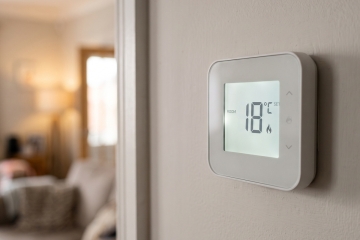
What temperature should your home be? Find out how a cold house may affect your health, who is most at risk and when to put the heating on.

The amount of energy your home needs will depend on the property, the heating system, how well the house holds heat and how often each room is being used. A heating schedule that works for one household might be completely wrong for another.
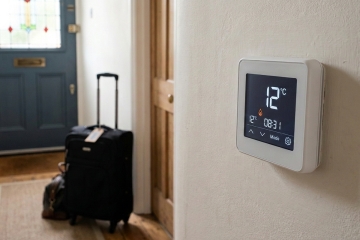
If you're going away during colder weather, leave the heating system powered and turn the thermostat down rather than switching the boiler off completely.

Heating systems sit idle or run on reduced settings throughout the summer. Switching the boiler back on for daily use in November can expose seized valves, trapped air, and pressure faults that developed unnoticed over the warmer months. Running a few simple checks in early autumn provides time to resolve faults before you rely heavily on the system.

Bleeding your radiators is a task we should all perform but often forget to do so. Over time

Find out whether designer radiators are less efficient, how BTU output affects performance, and what to check before choosing one for your room.

Find out whether a heated towel rail can heat a bathroom, how BTU output affects performance, and what to check before choosing one.

By signing up I agree to receive HeatandPlumb.com emails and to the privacy policy. I can also unsubscribe at any time