
0
£0.00
Browse hundreds of informative and fun articles on our blog - a great way to learn more about trends in the industry, get inspiration for your next bathroom, or simply learn something new! We're always adding new content and must-read articles to our blog, so be sure to check back regularly for the newest posts!
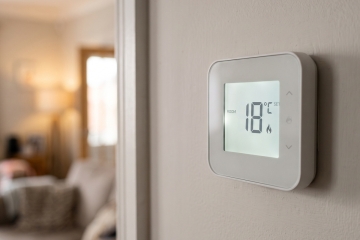
What temperature should your home be? Find out how a cold house may affect your health, who is most at risk and when to put the heating on.
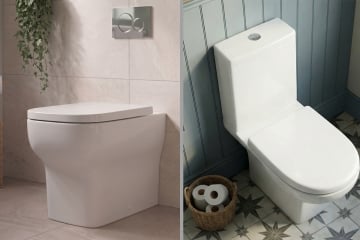
Learn how cable and pneumatic toilet flush buttons work, how to identify your mechanism and what to check before buying a replacement.
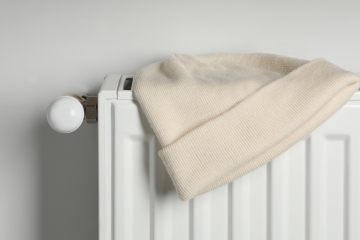
The amount of energy your home needs will depend on the property, the heating system, how well the house holds heat and how often each room is being used. A heating schedule that works for one household might be completely wrong for another.

For generations, people were blighted by unwelcome cold showers. Whether it's because you run out of hot water or the result of a housemate flushing the toilet, a sudden burst of cold water has long been the spoiler for an otherwise enjoyable shower
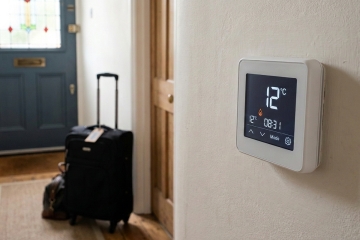
If you're going away during colder weather, leave the heating system powered and turn the thermostat down rather than switching the boiler off completely.
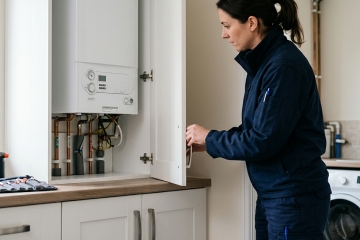
Heating systems sit idle or run on reduced settings throughout the summer. Switching the boiler back on for daily use in November can expose seized valves, trapped air, and pressure faults that developed unnoticed over the warmer months. Running a few simple checks in early autumn provides time to resolve faults before you rely heavily on the system.

Painting your bathroom is a little different than painting other rooms in your home. Bathrooms

Shower doors are one part of your bathroom that can quickly get to the stage where they look a little grubby, and the bad news is that they can be tricky to clean. To help you work out the best way to clean your shower door, we have put together some of our cleaning tips to ensure that you don't spend all your time cleaning and still look the best they can.
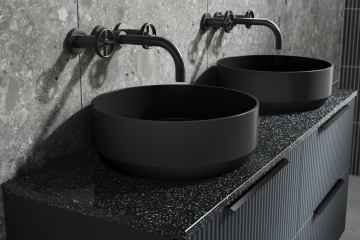
Selecting a basin for a vanity unit requires careful consideration of physical compatibility and plumbing clearances, not just aesthetic appeal. Ensuring the dimensions, mounting style, tap placement, and waste configuration align will prevent installation issues.

Choosing tiles can be an intimidating prospect. In addition to finding a colour and style you like, there are a number of materials and shapes that will require different fitting techniques and are suitable for specific purposes. It's easy to spend hours or days browsing tile collections online, only to come no closer to finding the tiles you need for your property. This article offers a buyers guide to tiles, to make it easier to find your perfect tiles and to ensure that your choice is suitable for your property.

Whilst you may think that vanity units are relatively standard in their style and design, the truth is that there are a variety of different vanity units out there that you can choose from. We have created this quick guide and infographic to teach you what they are all about.
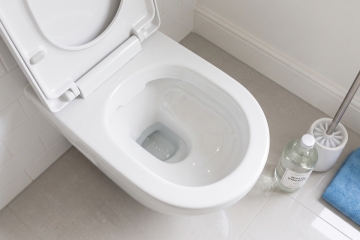
Yellow stains in a toilet bowl are normally caused by a buildup of hard water limescale and urine scale. Learn how to remove yellow limescale and prevent it returning
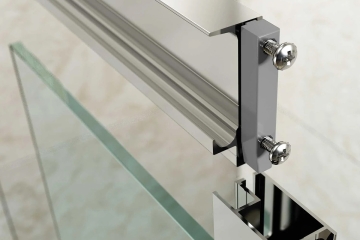
Installing a shower enclosure looks deceptively simple when professionals do it, but getting everything level, sealed, and functioning properly requires careful attention to detail throughout the process.
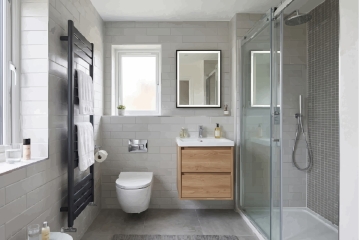
A small bathroom does not automatically require expensive fittings or extensive building work. Good planning makes a surprisingly compact room highly workable. Look honestly at what the space can actually take before choosing fittings, and you avoid costly mistakes later.
It's unlikely that any part of your property is exposed to more germs than your bathroom drains.
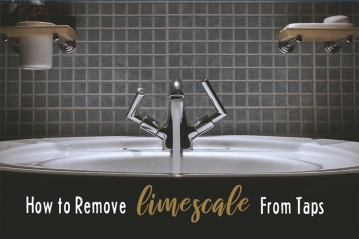
Limescale, or calcium carbonate, is a common sight in kitchens and bathrooms across Britain, particularly in the southeast where water is hardest. Hard water carries a high mineral content, usually picked up as it passes through limestone. While hard water poses no real health risk at drinking concentrations, it can do real damage to your taps and plumbing over time.
The August heatwave pushed UK temperatures to 38.1°C at Kew Gardens on 13 August. This brutal spike marked the fifth official heatwave of a relentless summer. After England recorded its driest July since 1836, official figures confirmed 71.3% of the country fell into drought status. Today, 45 million people reside in drought zones, while over 27 million must follow strict hosepipe bans and water restrictions. This national climate shift puts severe pressure on residential water systems. British families now face a difficult choice: stay cool or conserve water.
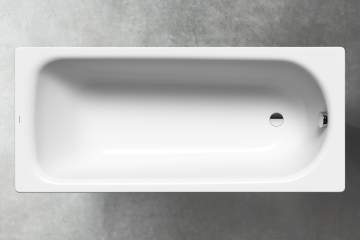
A common reason buyers hesitate over steel baths is the fear that the water will go cold quickly, or that the surface will chip if something is dropped on it. In practice, modern enamelled steel behaves differently from acrylic and has some useful advantages, particularly where rigidity and durability matter.
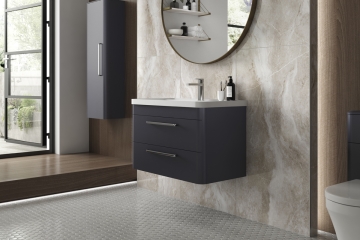
Wall hung vanity units can be installed securely in almost any UK bathroom, provided the underlying wall structure, chosen fixing method and total load are properly assessed. Success relies entirely on understanding what is holding the furniture up, rather than hoping a standard set of wall plugs will hold the weight.

Wall-hung and floor-standing vanity units look stunning in design magazines - all that visible floor creating clean modern lines and spatial illusion. Then you actually install one and discover the reality involves serious wall strength requirements, hidden plumbing complications, and storage compromises nobody mentioned.
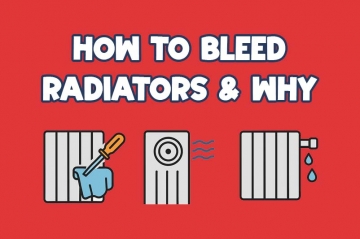
Bleeding your radiators is a task we should all perform but often forget to do so. Over time
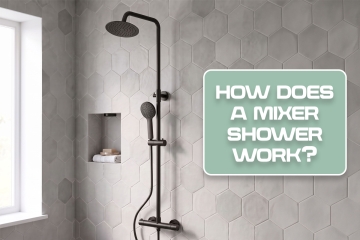
A mixer shower, as its name suggests, mixes a hot and cold water supply in a valve to reach your
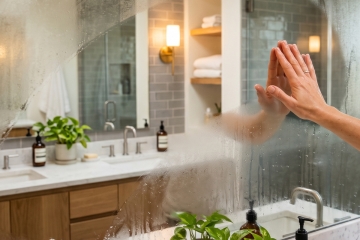
A steamed-up mirror straight after a bath or shower is one of the most common bathroom complaints, and one of the easiest to fix once you know what is causing it. Hot water vapour hits the cooler surface of the glass and condenses into the fine mist that fogs the reflection. Some fixes cost nothing, like opening a window. Others, like a heated demister mirror, solve the problem for good. Most bathrooms work best with a combination of both.
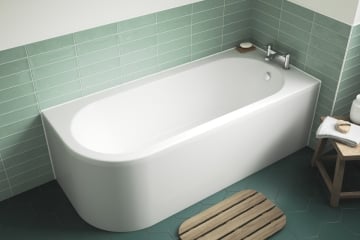
Replacing a bath without disturbing the existing tiles is sometimes possible, but only if the new bath suits the existing footprint, tile line and plumbing setup. If the fit is wrong, you can be left with damaged wall surfaces, awkward gaps or a seal that is difficult to make reliable.
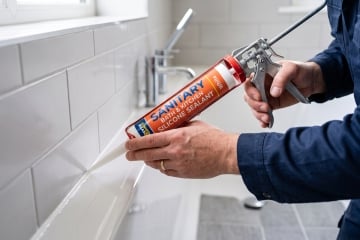
Mouldy or peeling sealant around a bath or shower tray is a common problem that can lead to hidden water damage if ignored. Replacing bathroom silicone is a manageable job, provided the old material is removed entirely and the surfaces are prepared correctly before applying a fresh bead.
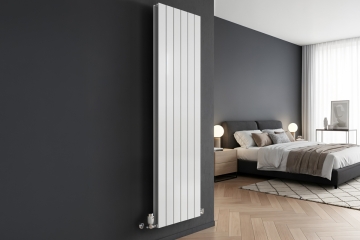
Find out whether designer radiators are less efficient, how BTU output affects performance, and what to check before choosing one for your room.
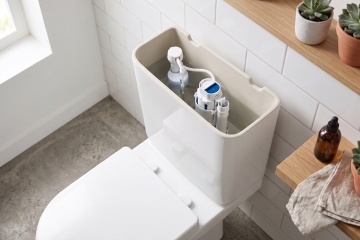
If your toilet will not flush properly, the cause is usually either inside the cistern, around the flush mechanism or further along the waste pipe. The key is to work out whether the flush is weak, not working at all, or backing up into the pan.
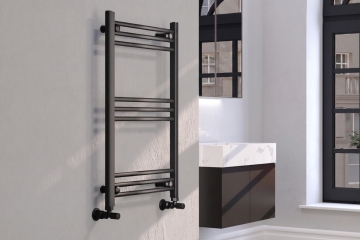
Find out whether a heated towel rail can heat a bathroom, how BTU output affects performance, and what to check before choosing one.
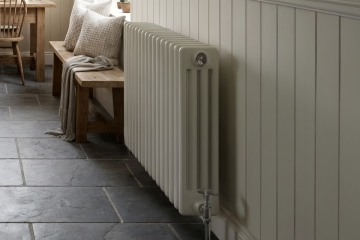
Column radiators are popular because they combine traditional styling with good heat output, but the right model depends on the room, wall space, BTU requirement and existing pipework. This guide explains the practical differences between column counts, orientation and heat output so you can choose a model that suits your room and existing setup.
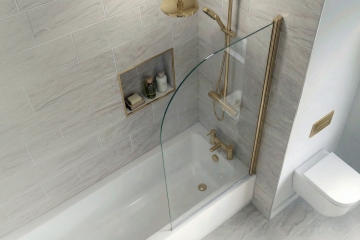
Learn how to measure for a bath screen, including width, height, swing space, bath shape, tap position and the key checks before buying.
By signing up I agree to receive HeatandPlumb.com emails and to the privacy policy. I can also unsubscribe at any time