
0
£0.00
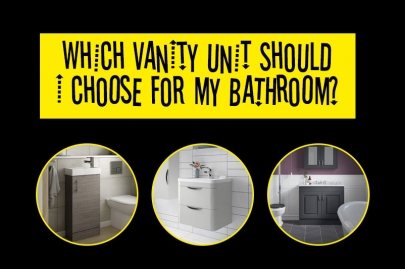
When you are shopping for furniture for your bathroom, you will want to make sure that you invest wisely. Not only can it cost you to transform your bathroom, but when you do pay out to change things up, then you are going to want them to last as long as possible.
This means that you need to think carefully before making any purchases, even down to individual choices such as choosing a vanity unit.
To help you figure out what you want in your vanity unit (and which one will be the right choice for you), we have put together some of the main things that you should keep in mind before you take the plunge.
One of the first things that you should think about is just how much space you have in your bathroom to spare. Knowing this before you start shopping around can make the difference in what vanity unit you choose (and can even make the decision that little bit easier for you to make too.)
Once you know the space you have, you can start thinking about what this means for your vanity unit. You can usually choose between single and double, and you can choose depending on the space you have and how much you need to store within the vanity unit.
There are three main types of mounting type that you can choose between for your vanity unit. Freestanding vanity units are the most common place mount type that you will see. With this mount type, the legs of the unit will be on the floor; however, to make sure that everyone is safe, the unit will be attached to the wall.
You also have the floating or wall-mounted type of vanity unit. These are mounted directly to the wall and give you space underneath, which means that you can make sure that your bathroom looks bigger and tailor the unit's height to match your needs.
There is also the corner type of unit, which, as the name suggests, will be placed into the corner of your room, allowing you to make the most of the space that you have.
Finally, you also need to think about the last few decisions you need to focus on for your vanity unit. There are various materials that you can choose from, both for the countertops, the materials that the vanity unit itself is made from, and the basin that you are going to have on the top of the unit.
All of these things come together to make sure that you have a vanity unit that looks great in your bathroom and will be able to deliver everything that you need it to do on a functional level.

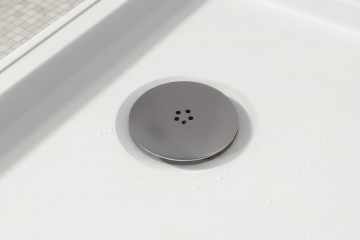
Learn about shower tray waste types, sizes, traps and flow rates, with practical advice on choosing a compatible replacement.
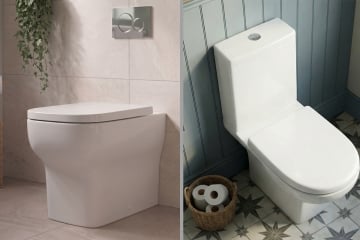
Learn how cable and pneumatic toilet flush buttons work, how to identify your mechanism and what to check before buying a replacement.
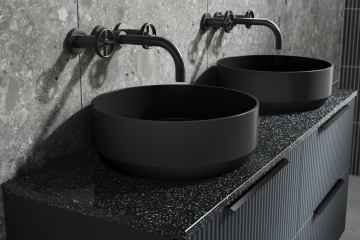
Selecting a basin for a vanity unit requires careful consideration of physical compatibility and plumbing clearances, not just aesthetic appeal. Ensuring the dimensions, mounting style, tap placement, and waste configuration align will prevent installation issues.

By signing up I agree to receive HeatandPlumb.com emails and to the privacy policy. I can also unsubscribe at any time