
0
£0.00
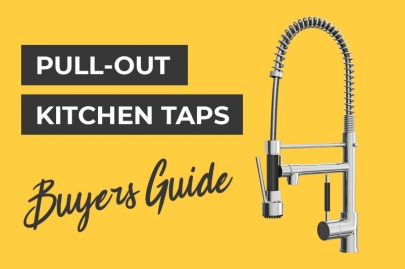
A pull-out kitchen tap features a retractable hose and spray head built into the spout. Rather than a fixed nozzle, the head detaches and extends on a flexible hose, allowing you to direct water precisely where it is needed - rinsing food, cleaning the sink bowl, or filling a pot off to the side.
Understanding the mechanism type helps you choose the right tap for your kitchen and plumbing setup.
The most common and reliable mechanism for domestic kitchens. A counterweight attached to the hose beneath the sink pulls the spray head smoothly back into the spout when released. Low maintenance and compatible with most standard water pressure systems.
Uses a coiled metal spring, often visible on industrial-style designs, to retract the hose with a firm, mechanical action. More common on professional-aesthetic taps where the spring forms part of the design.
Features a high-clearance open-coil design with the hose housed inside the spring, docking into a rigid central arm. These are heavier and more durable, suited to large double sinks, but require a minimum water pressure of around 1.0 bar to perform correctly. Check your household pressure before purchasing.
Most pull-out nozzles include a toggle button that switches between two flow modes: a standard aerated stream for filling pots and a focused needle spray for rinsing food residue from plates and the sink surface.
Not a pull-out tap in the traditional sense. A standard mixer tap is paired with an independent trigger-operated spray hose mounted separately on the worktop or sink. This requires an additional pre-drilled or site-drilled tap hole and suits those who want spray functionality without changing their existing tap.
Standard pull-out mixer taps typically require a minimum of 0.5 bar. Professional-style taps with open-coil springs generally need 1.0 bar or above. Always check the product specification against your household water pressure before purchasing.
The relevant consideration is not kitchen size but the clearance between your spout and any overhead cabinets or shelving above the sink. Pull-out taps tend to have taller spouts than standard mixers to allow the hose to dock correctly. Measure this space before committing to a model.
Pull-out taps are compatible with stainless steel, composite, ceramic, and fireclay sinks. For heavier professional-style models, confirm the sink deck thickness and tap hole diameter against the tap specification. Most standard tap holes are 35mm.
Hose lengths will vary depending on the model. If you have a large double bowl sink or need to reach across a wide worktop area, check the extended hose length in the product specification rather than assuming coverage.
For most kitchens, yes. The spray and aerator functionality makes everyday tasks - rinsing vegetables, cleaning the sink, filling tall pots is noticeably easier than a fixed spout tap. The trade-off is a slightly more complex internal mechanism than a standard kitchen tap, so longevity depends on build quality. Stick to established brands and check warranty terms before purchasing.

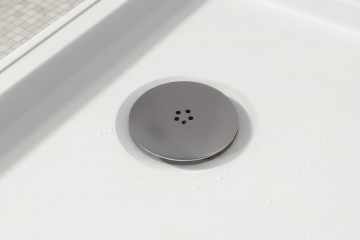
Learn about shower tray waste types, sizes, traps and flow rates, with practical advice on choosing a compatible replacement.
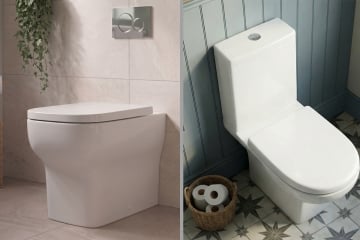
Learn how cable and pneumatic toilet flush buttons work, how to identify your mechanism and what to check before buying a replacement.
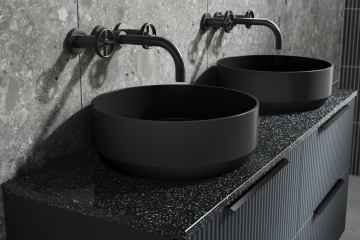
Selecting a basin for a vanity unit requires careful consideration of physical compatibility and plumbing clearances, not just aesthetic appeal. Ensuring the dimensions, mounting style, tap placement, and waste configuration align will prevent installation issues.

By signing up I agree to receive HeatandPlumb.com emails and to the privacy policy. I can also unsubscribe at any time