
0
£0.00
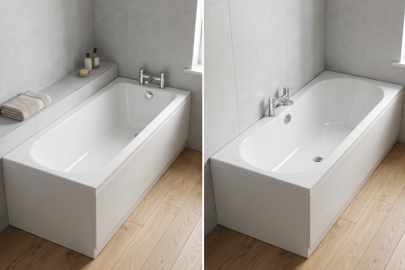
A single ended bath has the taps and waste at one end, with the other end sloped to support your back. A double ended bath has the taps and waste in the centre or on the adjacent wall, so both ends are sloped and you can lie back at either one.
The two styles lead to quite different designs, but the practical differences matter just as much, both for installation and for how the bath gets used afterwards.
| Feature | Single ended | Double ended |
|---|---|---|
| Taps and waste | At one end | In the centre or on the adjacent wall |
| Shape | One sloped end, one straight tap end | Both ends sloped |
| Suits | One bather, bath and shower combinations | Sharing, families with young children, stretching out |
| Shower use | Easy to add above the taps | Possible, but less practical |
The more common design for inset tubs, single ended baths have the taps and waste at one end of the bath, in most cases with the taps directly above the waste area. The tap end is usually a straight vertical, while the opposite end is sloped for back support when relaxing. These baths are usually designed for one person at a time.
On a double ended bath, the waste and taps are fitted either in the centre of the bath or on the adjacent wall. With no taps at either end, both ends can be gently sloped, leaving enough space for two people to share the bath. Most double ended baths are symmetrical, so you can face either direction without worrying about hitting your head on the taps, and you get more leg room if you want to stretch out. That makes them a good fit for taller people, as there’s no wasted space in the tub. They’re also great for homes with small children, as there’s room to bathe two at once and no taps in the way.
Freestanding baths are commonly double ended, as the freedom of tap placement they offer suits more traditional bath designs, which then fit beautifully into the aesthetic of old-fashioned bathrooms. At the same time, plenty of inset baths are double ended, particularly in spaces where you can’t find enough room for the necessary taps and plumbing anywhere other than at the side of the tub.
Single ended baths are the usual choice for a bath and shower combination. The shower valve can be installed above the taps, and once you add a screen you have a shower enclosure in the corner of your bathroom. Our bath screen buying guide covers the types, glass thickness and how to get a watertight fit. A double ended bath can have a shower too, usually on the wall with a bath screen, but the sloped ends and central taps make it less practical. If you shower more than you bathe, a single ended bath is the easier fit.
Neither. Both styles come in the same standard sizes, so a 1700mm double ended bath takes up the same floor area as a 1700mm single ended one. The difference is inside. With the taps at one end, a single ended bath gives up some of its length to the tap end, so a double ended bath of the same size often feels roomier when you’re lying back.
It comes down to your own needs. Double ended baths are the more versatile of the two and the better option for families with young children. If you live alone or only use the bath as an occasional treat between showers, a single ended bath is probably enough. There’s no right or wrong answer; your choice of bathtub should be based on your lifestyle and the room you’re installing it into. As many modern baths are supplied undrilled, you have plenty of freedom over tap placement, so that isn’t necessarily a deciding factor either.

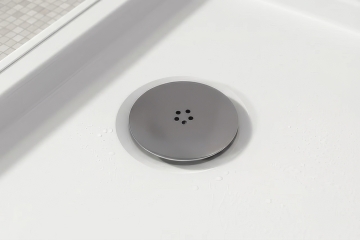
Learn about shower tray waste types, sizes, traps and flow rates, with practical advice on choosing a compatible replacement.
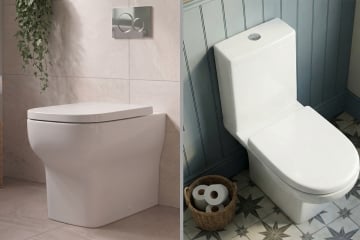
Learn how cable and pneumatic toilet flush buttons work, how to identify your mechanism and what to check before buying a replacement.
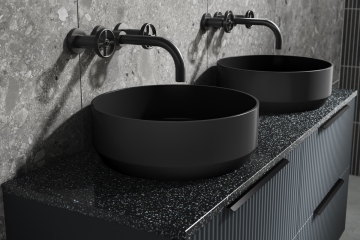
Selecting a basin for a vanity unit requires careful consideration of physical compatibility and plumbing clearances, not just aesthetic appeal. Ensuring the dimensions, mounting style, tap placement, and waste configuration align will prevent installation issues.

By signing up I agree to receive HeatandPlumb.com emails and to the privacy policy. I can also unsubscribe at any time