
0
£0.00
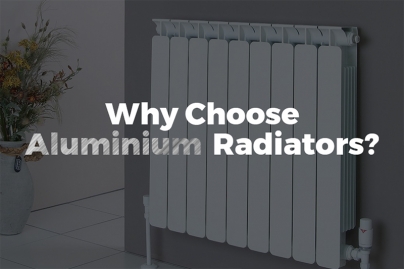
In recent years, there has been an increasing shift in the market towards aluminium radiators. There are a number of benefits to choosing aluminium over steel or iron, both in terms of aesthetics and performance. Since their introduction in the late 1960s, the popularity of aluminium has continued to grow and it should certainly be considered as an option when adding a new radiator to your home or workplace. The ready availability of aluminium, which is one of the most abundant metals in the world, has recently become more advantageous thanks to modern techniques of extracting it from deposits.
The excellent conductivity of aluminium means that radiators can be quickly heated or cooled by thermostat changes; its emissivity is as much as five times that of steel. This is ideal for cold winter evenings when your first priority is warming your home and the opposite is true, allowing you to find the perfect comfortable temperature on mild afternoons. This is also perfect for rarely visited rooms, letting you heat them quickly when required. This can also have a negative effect; the radiator's lack of heat retention means that the heating system needs to remain active for longer but cheaper running costs will negate much of this.
Aluminium radiators require far less water content than traditional materials, which is a sure way to reduce the cost of heating. This means that, although the initial purchase of your radiator is almost guaranteed to be more expensive, it will definitely pay for itself via lower energy costs. The lower water volume has the added benefit of allowing manufacturers to design radiators in a much wider variety of shapes and sizes; you're far more likely to find a unique design in aluminium than the older materials and you can find one that will fit into almost any space.
Aluminium is non-corrosive, ensuring radiators will last for decades and making an admittedly more expensive investment pay off in the long term. The recyclability of aluminium is another benefit; your stylish new radiator could once have been a can of lemonade! When your radiator is eventually no longer useful, it can be recycled and turned into something new, making it by far the more environmentally friendly choice in the long run. Adding one aluminium radiator into an existing system can increase corrosion due to the mixture of metals reacting with the water flow, so it's best to either change every radiator or introduce a radiator inhibitor to reduce limescale and corrosion in your pipes.
In short, aluminium is an excellent choice for your new heating installation. Despite greater purchase costs, the reduced cost of heating and the material's longevity mean that it will quickly pay for itself. If you want the most economical and environmentally friendly radiators on the market, aluminium is the right choice for you.

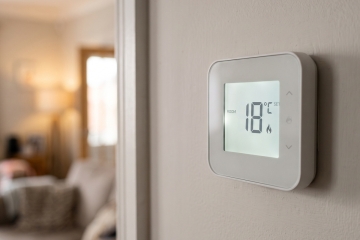
What temperature should your home be? Find out how a cold house may affect your health, who is most at risk and when to put the heating on.
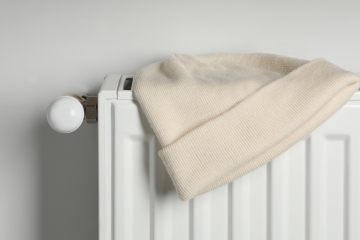
The amount of energy your home needs will depend on the property, the heating system, how well the house holds heat and how often each room is being used. A heating schedule that works for one household might be completely wrong for another.
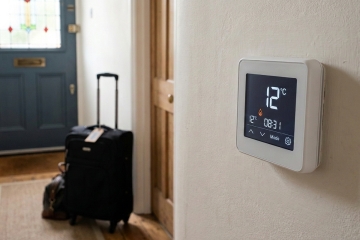
If you're going away during colder weather, leave the heating system powered and turn the thermostat down rather than switching the boiler off completely.

By signing up I agree to receive HeatandPlumb.com emails and to the privacy policy. I can also unsubscribe at any time