
0
£0.00
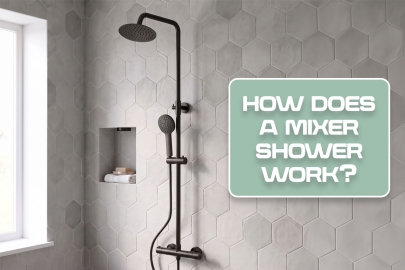
A mixer shower, as its name suggests, mixes a hot and cold water supply in a valve to reach your chosen temperature before it reaches the shower head. They are intended for use with either low or high pressure water supplies and will not increase the low pressure of a water flow. They are designed to be either exposed, where the entire unit is mounted on the surface of a wall, or concealed, where the valve is visible but most of the pipework is installed into the wall and hidden from view. This versatility means mixers are suitable for installation in new builds and also buildings where it's only possible to make minimal structural alterations.
In order for a mixer shower to operate properly, the hot and cold water supplies need to be fed into the system at the same pressure. The major drawback to a mixer shower's dependence on external water supplies is that these will usually be shared with other appliances in the home, such as kitchen taps or toilets. When these other appliances are used, the shower's hot or cold water supply can be interrupted, meaning extreme temperatures one way or the other. This also necessitates a ready supply of hot water, meaning a water boiler will need to be in use regularly, even in the summer when it might otherwise be inactive.
Thermostatic mixers constantly monitor the water temperature and make immediate adjustments to the hot and cold balance to maintain a consistent temperature. Some modern thermostatic mixers even feature an automatic shut-off if one of the flows is reduced, which avoids cold bursts and scalding heat. Many feature a maximum permitted temperature, ideal for making your bathroom safer for children. It is also possible to avoid shower flow interruptions in low pressure systems by adding separate pipes from your hot and cold supplies. This requires small modifications to be made to your hot water tank, which a plumber will be able to install for you. Our guide on water pressure systems will help you determine which system you have.
Mixer showers remain the most economical choice of shower unit, particularly in homes with central heating and a frequently used boiler. Though they're dependent on two external water supplies, they will pose few problems in the majority of modern homes, especially when installed by a professional. Ready to shop mixer showers? Browse our full range to compare exposed, concealed and thermostatic options.
A thermostatic mixer monitors and adjusts the water temperature automatically, protecting against sudden hot or cold bursts if another tap is used elsewhere in the home. A manual mixer relies on you setting the balance yourself, with no automatic correction.
Yes, but it won't increase pressure that's already low. A mixer shower reflects whatever pressure is already feeding your hot and cold supplies, so a weak flow at the taps will mean a weak flow in the shower too.

Learn how high to hang a bathroom mirror, choose the right wall fixings and install it safely, with advice for illuminated mirrors.
Learn about shower tray waste types, sizes, traps and flow rates, with practical advice on choosing a compatible replacement.
Yellow stains in a toilet bowl are normally caused by a buildup of hard water limescale and urine scale. Learn how to remove yellow limescale and prevent it returning

By signing up I agree to receive HeatandPlumb.com emails and to the privacy policy. I can also unsubscribe at any time