
0
£0.00
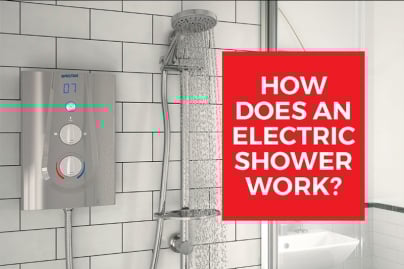
Electric showers are currently one of the most popular types of shower due to their ease of installation and the fact that they are suitable for the the majority of bathrooms. They require a cold water supply and electrical connection; they completely bypass the hot water requirement of other showers. Electric showers contain a heated element and function by bringing water to temperature as it passes through the shower unit, almost instantly heating it by the time it reaches the shower head. Due to their not needing an external supply of hot water, electric showers are a popular choice in flats, mobile homes and any other smaller accommodation. They are a fine option when adding an extra shower to an existing home, as they require the least amount of modification to your plumbing system and won't place any extra strain on the current hot water supply.
The water supply into the unit must flow within certain parameters: no less than 1 bar of pressure, at least an 8 litre flow per minute and no more than 10 bars of static pressure. Many modern electric showers will come configured for these specifications but it's worth double checking this when you install them. As an electrical appliance in a bathroom, there are also a number of regulations pertaining to the power supply and its wiring, so it's worth consulting a professional to ensure an electric shower is safely installed.
There are a number of safety checks and precautions you must adhere to in order to safely install an electric shower into your home:


Learn how high to hang a bathroom mirror, choose the right wall fixings and install it safely, with advice for illuminated mirrors.
Learn about shower tray waste types, sizes, traps and flow rates, with practical advice on choosing a compatible replacement.
Yellow stains in a toilet bowl are normally caused by a buildup of hard water limescale and urine scale. Learn how to remove yellow limescale and prevent it returning

By signing up I agree to receive HeatandPlumb.com emails and to the privacy policy. I can also unsubscribe at any time