
0
£0.00
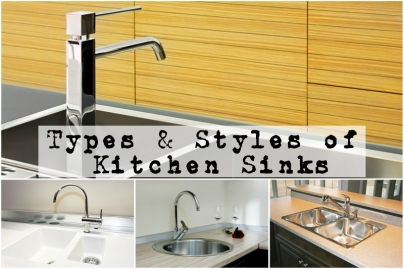
When it comes to choosing what type of kitchen sink will sit in your kitchen, the first thing you need to consider is the durability. A sink isn't something you're going to replacing every year, it needs to last for years to come. Kitchen sinks tend to get heavy use, and with all those bashes and knocks that can happen when you're washing the dishes, you're going to want one that can stand up to such use.
Below we've listed the types and styles of kitchen sinks that you'll find here at Heat & Plumb. We've listed the pros and cons for most of them too, so you can really weigh up what type of kitchen sink fits your personal situation.
The stainless steel kitchen sink is the most popular type of kitchen sink in the UK, and there's good reason for that. This popularity is due to the immense durability of stainless steel, making it far more scratch-resistant than other types of material used in sink construction. It's easy to clean and maintain them too, ensuring that the surface will always remain as dazzling as the day it was installed. Finally, stainless steel sinks are versatile. They'll match a range of styles - from contemporary to traditional - and you'll find a wide range of taps and other appliances that will match the look.
So, in terms of practicality, a stainless steel sink is an excellent choice for the kitchen. But what about design?
Thankfully there's a multitude of options, from sinks that will fit the smallest kitchen to 2 bowl giants that increase productivity in even the busiest kitchens. Other options include various finishes and drainer options, while prices start so low that you'll get superb value for money.
Pros of stainless steel kitchen sinks:
Cons of stainless steel kitchen sinks:
Ceramic kitchen sinks are what you would have traditionally found in the British country home. That 'farmhouse' feeling is now catching on again in a big way, with ceramic sink sales becoming more popular year-on-year. When you run your fingers across the silky surface of ceramic, you'll realise why this type of sink is one of the best in terms of quality and overall attractiveness. But don't feel like the traditional nature of this sink means you must design a traditional kitchen around it, as this design will work just as well in contemporary designed kitchens.
When it comes to installing, it couldn't be easier. Regular maintenance is a breeze too, as you only have to remember to regularly give it a quick wipe down in order to keep it stain-free and looking its best. In terms of size, they can be just as big as other sinks, although remember that a larger size means a higher cost; especially as these sinks tend to handcrafted.
Pros of ceramic kitchen sinks:
Cons of ceramic kitchen sinks:
If your tastes tend to fall on the more traditional side, Belfast kitchen sinks may be the option for you. Also known as butler sinks, they got this name because the butler would be the one using it in a posh traditional home. Stylistically they can also be classed as 'farmhouse' style sinks. From a practical point of view, Belfast kitchen sinks are deeper than your average sink, giving you plenty of space in which to wash those larger kitchen utensils. Traditionally its depth meant it was easier to wash clothes in - or even a baby!
While the Belfast sink is generally one bowl, there are two bowl versions available too if you need that extra washing space. The makeup of the sink tends to be made of fireclay or glazed white porcelain, both of which give the sink a silky-smooth and quality feel.
The pros and cons of Belfast kitchen sinks are very similar to ceramic kitchen sinks, but we'll go through them again with a couple of additions.
Pros of Belfast kitchen sinks:
Cons of Belfast kitchen sinks:
Made up of a combination of different materials, composite kitchen sinks are designed to have the appearance of a granite sink without the hefty price tag. These sinks are normally manufactured by mixing together granite stone dust with acrylic resins, which are then moulded into sink form. They're an easy and affordable way to get that expensive look without tricky installations and a hefty whack to your wallet.
With hundreds of different styles and finishes available, you can get the exact look you desire with little effort and cost.
Pros of composite kitchen sinks:
Cons of composite kitchen sinks:
Undermount kitchen sinks are exactly what it says on the tin in that they mount underneath the kitchen worktop. This gives more space around the sink as it's a rimless, minimalist design. The lip is underneath the solid surface of the countertop, so it's a straight shot into the sink. Also, the lack of a lip means it can be easily cleaned, as you can just brush food scraps straight into the sink bowl with no rim to collect dirt.
Installation can be a bit trickier than other sinks as it needs to be fully sealed and supported to hold the weight of a sink full of water and dirty dishes. Due to this, it's highly recommended that you get a professional to complete the installation. It's also advised that it be fitted with solid surface countertops, such as granite, marble or concrete. Laminate or tile counters aren't a good idea as the seams and grouting are weak points that won't support the weight of the undermount sink.
Pros of undermount kitchen sinks:
Cons of undermount kitchen sinks:
If you want your kitchen sink to be bang on trend or want something a little more unique, designer kitchen sinks are worth considering. They suit kitchens where an ultra-modern look is the aim, and they come in a wide range of finishes and materials. The design and build usually carry a higher price tag, though the visual impact is often the point.
Pros of designer kitchen sinks:
Cons of designer kitchen sinks:
Round kitchen sinks aren't a common sight, but they're worth considering if space is tight or a standard rectangular sink doesn't suit the kitchen. They take up less worktop space than other sinks, making them a practical choice for smaller kitchens. They can be fitted to the countertop or mounted underneath the surface.
Pros of round kitchen sinks:
Cons of round kitchen sinks:
Single bowl kitchen sinks are the most common type, offering plenty of space for washing large dishes and pots. They usually come with a drainer section for drying dishes. Also known as inset or surface-mounted sinks, they're compatible with all worktop types and are available in a vast range of styles.
Pros of 1 bowl kitchen sinks:
Cons of 1 bowl kitchen sinks:
1.5 bowl kitchen sinks add a smaller second bowl alongside the main sink, useful when several tasks need doing at once. If the main bowl is full because something is soaking, the smaller bowl can still be used to drain pans or wash vegetables. It's a practical option for multitasking while cooking.
Pros of 1.5 bowl kitchen sinks:
Cons of 1.5 bowl kitchen sinks:
If you crave more practical space in your busy kitchen, a two bowl kitchen sink is the perfect solution. With two bowls to play with you can get far more done, and you don't have to worry about draining the sink of water because you need to use it for something else. As with single bowls, they come in surface mounted or inset versions and can be used with any work surface.
For kitchens that need more practical space, a two bowl kitchen sink is a solid option. With two bowls, more can be done at once without needing to empty the sink to use it for something else. As with single bowl sinks, they're available in surface-mounted or inset versions and work with any worktop.
Pros of 2 bowl kitchen sinks:
Cons of 2 bowl kitchen sinks:
View our vast range of kitchen sinks and pick the right one for your home or if you still need help, try our kitchen sink guide for other considerations, such as installation and budget.

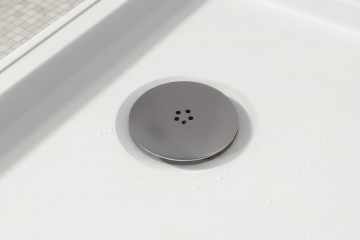
Learn about shower tray waste types, sizes, traps and flow rates, with practical advice on choosing a compatible replacement.
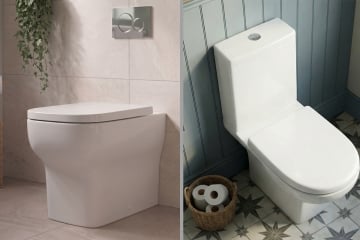
Learn how cable and pneumatic toilet flush buttons work, how to identify your mechanism and what to check before buying a replacement.
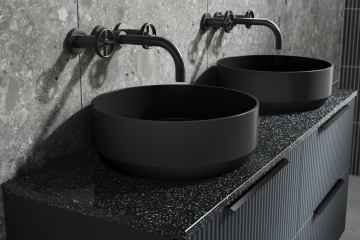
Selecting a basin for a vanity unit requires careful consideration of physical compatibility and plumbing clearances, not just aesthetic appeal. Ensuring the dimensions, mounting style, tap placement, and waste configuration align will prevent installation issues.

By signing up I agree to receive HeatandPlumb.com emails and to the privacy policy. I can also unsubscribe at any time