
0
£0.00
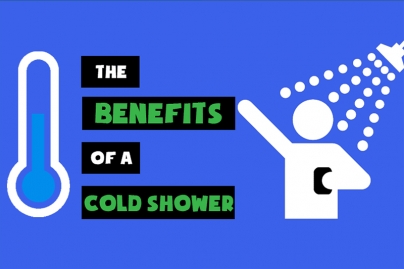
For generations, people were blighted by unwelcome cold showers. Whether it's because you run out of hot water or the result of a housemate flushing the toilet, a sudden burst of cold water has long been the spoiler for an otherwise enjoyable shower. Modern showers have done much to reduce the frequency of this unpleasant experience, with many thermostatic showers, which cut off if the cold supply fails, and electric showers that heat cold water almost instantly. With modern plumbing rendering frequent cold showers a thing of the past, you might be wondering why anyone would ever choose to take one.
Increasingly, experts are discussing the potential benefits of a cold shower or at least ending a hot shower by turning the temperature down. One of the more obvious reasons to take a cold shower (and one that can actually be proven) is that they are more environmentally friendly and can reduce your energy bills compared to warm showers, though it's up to you to decide whether or not this is worth the discomfort you'll endure.
Cold showers can feel extremely unpleasant, especially if your body isn't used to them. However, this shock to your system is bound to wake you up in the morning and the increased respiration and heart rate can result in greater alertness. Just as warm showers or baths help you relax before bed, cold showers have the opposite effect and ensure you're wide awake and ready for the day ahead. Golden age Hollywood icon Katharine Hepburn was a proponent of freezing cold showers and baths throughout her life, which may have contributed to her exuberant personality.
Much is made of the negative effects of extreme heat on hair and skin, drying out skin and leaving hair thin and frizzy. Cold water can have the opposite effect, protecting your body's natural oils and keeping your hair healthy. Cold water is also far kinder to certain skin conditions that are sensitive to heat, such as eczema, and may reduce the associated itchiness.
Your body's response to a cold shower is to accelerate your heart rate and pump blood at a higher rate in order to maintain your ideal body temperature. That response is short-lived. Cold water across the chest produces a sharp rise in heart rate and in both systolic and diastolic blood pressure for as long as you are under it, and in healthy people those readings settle again shortly afterwards. What it does not do is lower your resting blood pressure over time, and nothing about a cold shower clears arteries. Because of that spike, cold showers are worth approaching with more caution if you have a heart condition or high blood pressure, which is covered further down this page.
Ice baths are not a recent invention, and athletes have sworn by cold water for decades. A cold shower is (fortunately) not quite as extreme as sitting up to your neck in a tub of ice, but it is effective at reducing how sore you feel in the day or two following a heavy workout, which is exactly the effect most people are after.
What has changed since this article was first written is our understanding of the trade-offs. A recent meta-analysis of eight different trials found that while resistance training alone produced clear gains in muscle size, following up that training with cold water immersion resulted in gains that were small to negligible.
The research concludes that the cold interferes with muscle growth, but strength seems mostly unaffected.
On the one hand, taking a cold shower probably sounds like quite a stressful way to spend ten minutes. However, the same 2025 review mentioned above did find a measurable drop in stress levels following cold water exposure.
The issue is that the effects only lasted 12 hours or so. This means it acted like a short term reset as opposed to a change in how your body handles stress over time.
This is where the scientific evidence is actually at its strongest. A widely cited Dutch trial asked adults to finish their normal daily shower with either thirty, sixty, or ninety seconds of cold water for a whole month. The outcome? The brave souls who participated in the trial reported 29% fewer days off ill than the control group. Another interesting aspect was that there was no real difference between the three durations. This suggested that the thirty second blast was doing the hard work.
Another recent study in PLOS One analysed eleven separate trials over 3000 people. It supported these findings noting improvements in sleep quality and overall quality of life. The study also suggests that there was no significant effect in the participants' mood. A lot of guides will sell the mood-fix online but the data doesn't support it.
Recent years have seen an increase in the rumours that cold showers can increase weight loss and there is a scientific basis for this theory. There are two main types of fat in a person's body: the first of these is white fat, which is caused by excess calories and is the main thing we try to combat in the gym. There is also another type, brown fat, that the body can burn in order to generate heat. As the cold shower shocks your system, your body responds by burning brown fat in an attempt to keep itself warm.
How cold the experience is depends entirely on which type of shower that you have, and this is where a lot of cold shower advice falls down. If you have an electric shower, you’re in luck when it comes to cold showers. These units take water straight from the mains and heat it only if you want them to - so if you turn the temperature dial all the way down, you’ll get whatever chilly water your pipes are serving up that day. In other words, an electric shower is the simplest way to get a truly cold shower at home.
Thermostatic showers work against you slightly here. A thermostatic cartridge holds a steady temperature and protects against sudden cold or scalding bursts, and will vary, depending on the manufacturer. Some models let you run close to mains temperature; others hold a minimum comfort temperature by design. Manual mixer showers offer the greatest level of control among the three, as you are solely responsible for adjusting the balance between hot and cold water. You can learn more on our manual showers vs thermostatic guide.
The seasons all play a part here too. Chances are you're already getting a proper cold shower most winters without meaning to. UK mains water drops to somewhere around 5 to 10°C once the cold weather sets in, well below the 15°C mark researchers use as the cutoff for a shower to count as "cold." Come summer, mains water climbs into the high teens, so you're right on that line rather than comfortably under it, and getting the same effect takes turning the dial down a bit further.
Most people will not look at a cold shower to save money. It is, after all, not the most pleasant experience. This is one cold shower benefit that needs no evidence to back it up. Remove the heating, and you will remove almost all of the running costs.
A quick 30-60 second blast after your initial shower will also help save costs without committing you to the full experience. This is easier to control on an electric shower where you control the temperature on the dial.
Although there are a number of possible advantages to taking a cold shower, there are certain times that you should avoid them. If you're already cold or your home is not warm, a cold shower can lower your temperature even further and slow the rate at which you can recover and get warm. In addition, a cold shower is not recommended if you're feeling ill; your body may not be able to cope with the rapid changes in temperature and they might worsen any health conditions you're currently suffering. It's always best to avoid shocking your system if you're unwell.
Here are a few more examples of when cold showers should be avoided.
Ultimately, there are benefits to both cold and hot showers and which type you should take depends on the intended effect. Some experts suggest that it's best to take a lukewarm shower, essentially one that is as cool as possible without being uncomfortable. As enjoyable as hot showers are (they also have benefits such as steam helping clear your airways), a lukewarm shower prevents damage to your hair and skin without being unbearably cold. To help protect your skin further, moisturising immediately after a shower helps replace the natural oils lost during your wash and can keep your skin hydrated.
In ancient history, people invariably had cold showers, whether this was the result of bathing in waterfalls or simply having no way to heat their water. The Egyptians and Romans were some of the first people to heat water on stoves before pouring it into their baths. By the time of the Victorians, showers were being produced which could store warm water overhead until a handle was pulled and caused it rain down on the user. You can find out more about the general history of showers elsewhere on this blog.
One of the earliest modern mentions of taking a cold shower appears in the original James Bond novels, which make reference to the secret agent's tendency to turn the water temperature down to near freezing after an otherwise warm shower. This technique is sometimes referred to as the “Scottish Shower” but its appearances in Ian Fleming's writings have also led to it being called the “James Bond Shower”. Every few years, it seems that stories circulate the internet after somebody discovers rumours of the therapeutic power of cold showers but is there any truth to them? Here are some of the more popular theories about cold showers.

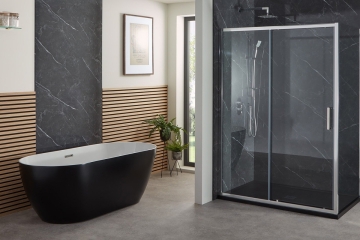
Shower door selection determines how you access your shower daily, how much space the bathroom loses to door swing, and whether you're fighting with mechanisms or enjoying smooth effortless operation.
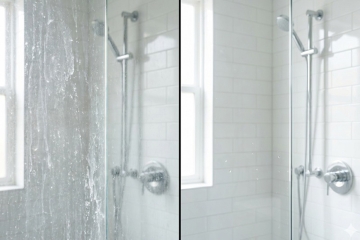
That cloudy white haze covering your shower glass isn't dirt, grime, or evidence of inadequate cleaning. It's limestone, deposited molecule by molecule through thousands of shower cycles, now bonded to the glass with chemistry that laughs at your spray bottle. Standard bathroom cleaners target soap scum and body oils; hard water deposits are minerals requiring completely different chemistry. You can scrub until your arm aches - the stains aren't budging through force alone. Here's what actually works.
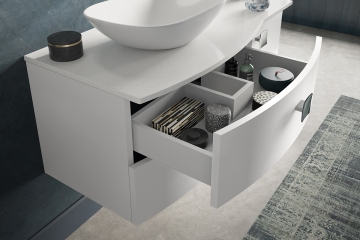
Painting your bathroom vanity transforms its appearance for a fraction of replacement costs, but doing it properly requires specific techniques that differ from painting ordinary furniture. Bathrooms create challenging conditions with humidity, temperature fluctuations, and constant contact with water that destroy poorly executed paint jobs within months. Here's how to achieve results that actually last.
By signing up I agree to receive HeatandPlumb.com emails and to the privacy policy. I can also unsubscribe at any time