0
£0.00
If hot water on demand is what you're after, an electric shower is a straightforward option. All you need is a source of electricity and a cold water feed into the unit - the water is heated as it passes through an internal element, giving you a hot shower whenever you need one.
Because the water is heated on demand rather than stored, you're not relying on the boiler having recovered enough hot water for everyone in the house to shower one after another. Both standard and thermostatic models are available: thermostatic versions hold your chosen temperature steady throughout the shower, while standard models offer simpler manual control at a lower price point.
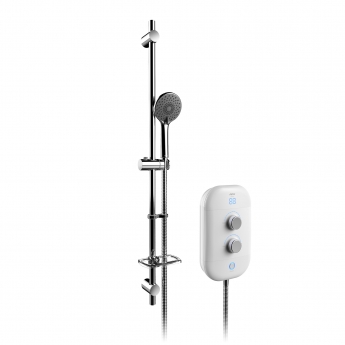
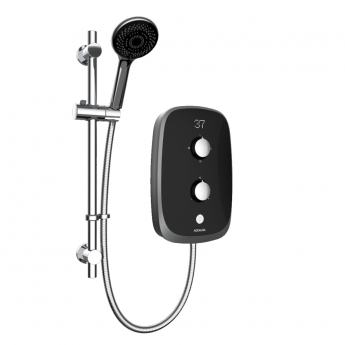
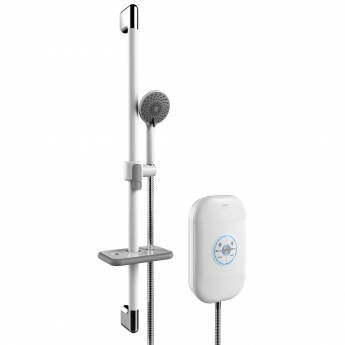
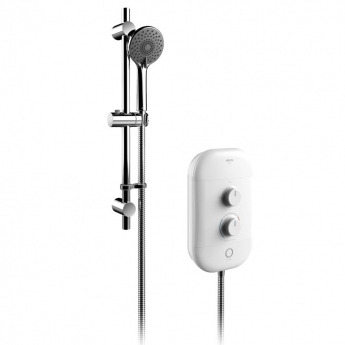
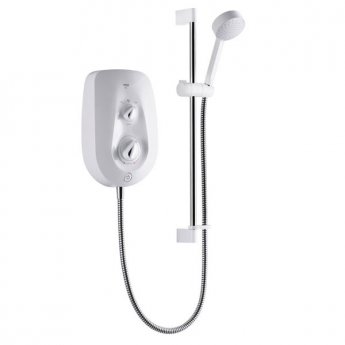
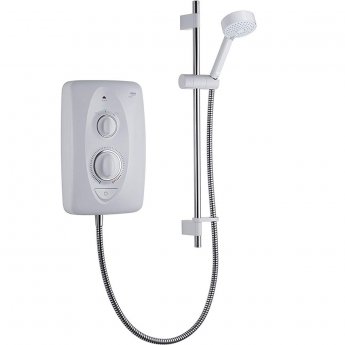

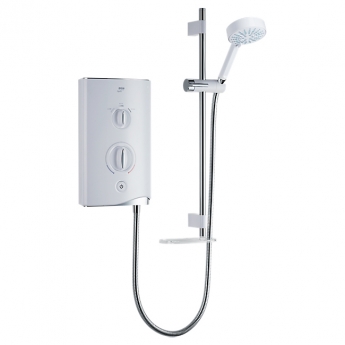
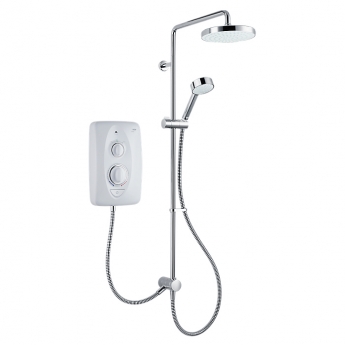

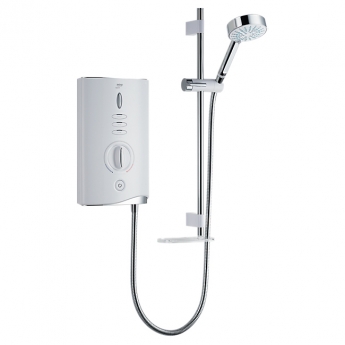
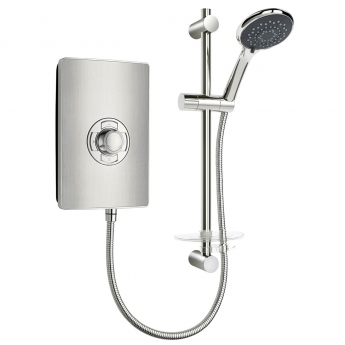
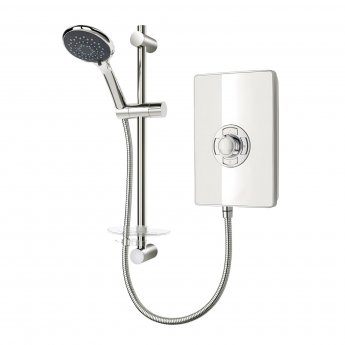
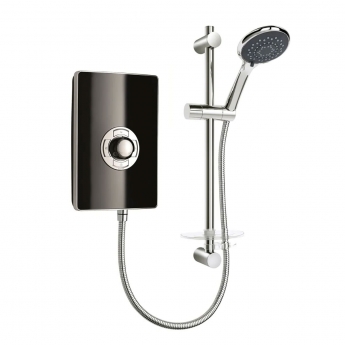
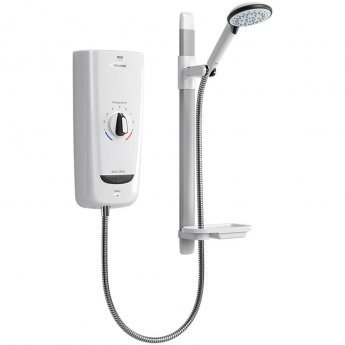
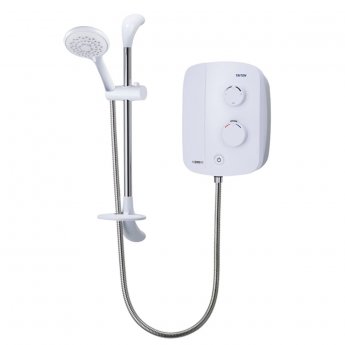
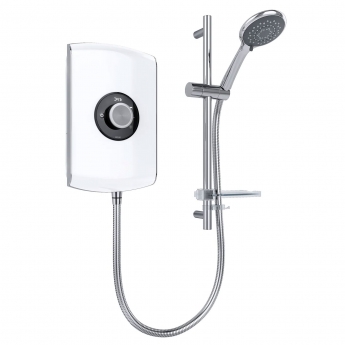
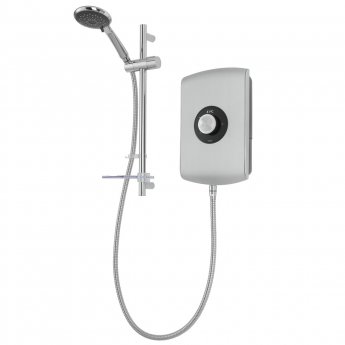
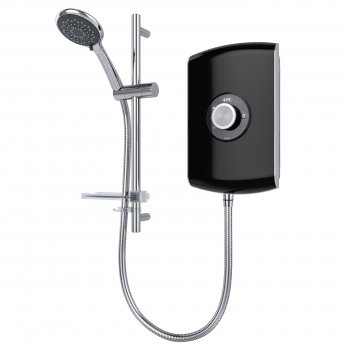
You are viewing 36 of 47 products
From simple on/off dials to accessible lever controls, here's a quick overview of the electric shower types available - and what each one offers.
Water temperature is adjusted manually using a dial or lever. The most affordable option, and a dependable choice for everyday use.
A thermostatic cartridge holds the set temperature steady and cuts the shower out if the cold water supply fails. Recommended where consistent temperature control matters most.
An integrated pump increases flow rate, suiting homes with low incoming mains pressure. Silent running models keep operational noise down.
Designed to cover existing pipe centres and fixing holes, simplifying replacement of an old unit without extensive rework.
Lever controls, larger displays, and simplified operation, built in as standard. Designed to support independent use in accessible bathrooms and wet rooms.
A higher kW rating heats more water at once, reducing the flow restriction needed to reach a comfortable temperature. Benefits multi-person households and colder incoming water in winter.
A standard electric shower is adjusted manually and can experience sudden temperature spikes if water pressure changes elsewhere in the house (such as a toilet flushing). A thermostatic electric shower maintains a set temperature automatically and includes a safety cut-out that instantly stops the water if the cold supply fails, preventing scalding.
Electric shower output is measured in kilowatts (kW), typically ranging from 7.5kW to 10.8kW. A higher kW rating heats more water at once. This improves the flow rate and ensures the shower performs much better during winter when the incoming mains water is significantly colder.
Not necessarily. Higher-rated showers draw significantly more current and frequently require targeted electrical upgrades to operate safely. Cable sizing depends on the shower's kW rating, cable run length and installation method -- see our guide on how an electric shower works for full sizing details. A suitably rated protective device (MCB/RCBO) and adequate consumer unit capacity are also required. The existing electrical installation should always be assessed by a qualified electrician before upgrading.
Standard electric showers require a minimum mains cold water pressure to operate safely, and this varies by model, so check the specific product's spec before choosing a unit for a low-pressure property. If your mains pressure is too low, the heating element will cut out. For low-pressure homes, you will need a specifically designed "pumped electric shower." However, these cannot be connected to the mains; they must be fed from a cold water storage tank.
Electric showers only heat the water you actually use during the shower, rather than relying on a boiler to heat an entire cylinder of water in advance. Running costs depend entirely on the shower's kW rating and your current electricity tariff.

By signing up I agree to receive HeatandPlumb.com emails and to the privacy policy. I can also unsubscribe at any time