
0
£0.00
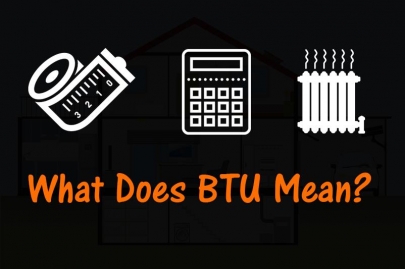
If you're searching for a new radiator, you've probably noticed that most products will have a BTU number among their details. But what does BTU mean? A BTU (British Thermal Unit) is a measurement of the amount of heat released by an energy source. Originally, it referred to the amount of heat necessary to raise the temperature of a pound of water (approximately a pint) by one degree Fahrenheit. It is commonly used to calculate the number of heaters needed to properly warm an area. For reference, a burning match is the equivalent of roughly one BTU.
The main advantage of BTU is that it makes it possible to compare the power of different heat sources with a standard measurement. You can find a list comparing the BTU values of different fuels at the EIA website. By using a BTU converter, it's easy to transform the weight or volume of a fuel to a measurement that states the heat energy content in comparison to others. If you calculate the BTU requirements of your rooms and refer to the BTU ratings of appliances, you can discover exactly how many radiators you need to thoroughly heat your home.
BTU requirements depend on a number of factors, such as the dimensions of your room, the size, number and type of your windows and the main function of the room. For example, a larger room with single glazed windows and a French door will have a larger BTU requirement than a small room with double glazing and no external door. How you achieve the required BTU number is then your decision, whether you want one large radiator or a few smaller ones. BTU makes it simple to find the right number and power of heaters for your property.
It's now easy to figure out your required BTU with a tape measure and notepad. You simply need to write down the the number and type of your doors and windows, how many external walls border the room, their material and thickness and what type of flooring is present. Once you have these measurements and the other necessary information, you can use a BTU calculator, such as our own free one at HeatandPlumb.com to quickly find your target BTU.
Most online retailers, including HeatandPlumb.com, list the BTU rating of a radiator in their product details, making it easy to calculate whether or not they will be suitable to heat your property. Just as the correct BTU will ensure that your property is warm enough, it will also help you avoid overheating a room and wasting money with unnecessary radiators. Calculating your BTU requirements is a simple way of meeting your precise needs to install a heating system that is comfortable for you.
BTU is a quick and easy way of helping you make informed choices when purchasing a new heating system for any property. The method isn't perfect for everyone but there's a reason it's the most widespread measurement and can be a major help in ensuring you install the proper size, number and type of radiators throughout your home.

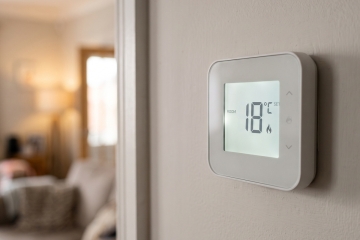
What temperature should your home be? Find out how a cold house may affect your health, who is most at risk and when to put the heating on.
The amount of energy your home needs will depend on the property, the heating system, how well the house holds heat and how often each room is being used. A heating schedule that works for one household might be completely wrong for another.
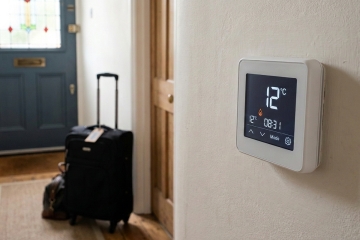
If you're going away during colder weather, leave the heating system powered and turn the thermostat down rather than switching the boiler off completely.

By signing up I agree to receive HeatandPlumb.com emails and to the privacy policy. I can also unsubscribe at any time