
0
£0.00
While shopping for new bathroom products, you might have noticed a label that states they are “WRAS Approved”. Any fitting that receives water from, and returns water to, the mains supply must be proven to not negatively alter the water that it cycles back into the system. This entails a few different issues: the fitting must not waste water or consume an unnecessary amount, as well as not causing any contamination to the public supply. In addition, the manufacturing quality and materials used should meet certain standards to ensure that this is maintained. To ensure customers can buy with confidence and that their plumbing fittings are safe, the Water Regulations Advisory Scheme (WRAS) grants approval to products only after they pass extensive testing. Each country in the UK has its own specific set of rules, but if a product is WRAS Approved it will likely be safe for use everywhere. While the WRAS is not the only approval scheme for bathroom fittings, it is the most highly regarded.
There are two types of WRAS approval: WRAS Product Approval and WRAS Material Approval. Product Approval tests entire products such as boilers, showers and valves to ensure that they comply with all the necessary regulations. These tests are intended to simulate the sort of day to day use that products will be subjected to after they are installed. Material Approval is focused solely on testing non-metallic components such as rubber sheets and O rings to ensure they don't impact water quality. As the vast majority of metals used in plumbing are safe, this testing is used to confirm that the other components will not contaminate the water supply.
The Water Regulations Advisory Scheme is in effect throughout the United Kingdom. Each UK nation has its own water fittings regulations or byelaws, meaning there are slight differences between requirements in England and Wales, Scotland, and Northern Ireland.
WRAS specifications are usually in effect between a property's boundary and the point where it discharges. Buying WRAS Approved products also means that your property's plumbing will be compliant with all the most recent legal requirements in the UK and helps keep the water supply safe for everyone. WRAS Approval confirms that a product has been tested and complies with the regulations at the point of manufacture. Following the regulations at the installation and maintenance stage is then down to the installer and property owner.
Whichever products you choose for your home, it's always worth hiring a registered plumber, particularly one listed on the WaterSafe Register. A reputable plumber should be familiar with all the most recent regulations and will install your items properly. There's no point buying WRAS Approved products, only for your water supply to be contaminated by a shoddy plumber using unsuitable parts. As an added benefit, registered plumbers will issue you a "work completed" certificate, offering some added protection in the event that inadequate plumbing work is discovered on your property later. In addition, it's usually a good idea to inform your water supplier if you're having extensive work, just in case anything unusual arises.
Choosing WRAS Approved products means your new plumbing will fulfil the strict requirements of modern day regulations. However, it's important to note that being WRAS Approved doesn't mean that a product is suitable for every situation. Check the product details closely to be sure that it can perform the specific task you have in mind and that you meet the necessary requirements before installing them.
You can find out whether or not a product is WRAS Approved by checking the online Approvals Directory at wrasapprovals.co.uk. This database is free to use and will help you verify whether or not a product is WRAS Approved. If you need to hire a plumber, the WaterSafe Register lists vetted, approved plumbing professionals across the UK by postcode. For further background on the water fittings regulations themselves, Water Regs UK maintains guidance on topics relevant to homeowners and tradespeople alike.

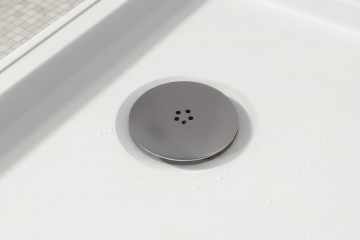
Learn about shower tray waste types, sizes, traps and flow rates, with practical advice on choosing a compatible replacement.
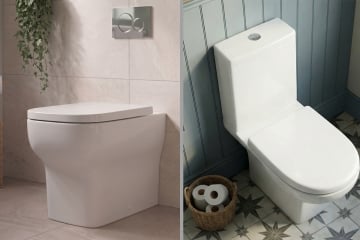
Learn how cable and pneumatic toilet flush buttons work, how to identify your mechanism and what to check before buying a replacement.
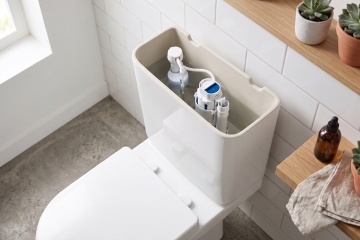
If your toilet will not flush properly, the cause is usually either inside the cistern, around the flush mechanism or further along the waste pipe. The key is to work out whether the flush is weak, not working at all, or backing up into the pan.

By signing up I agree to receive HeatandPlumb.com emails and to the privacy policy. I can also unsubscribe at any time