
0
£0.00
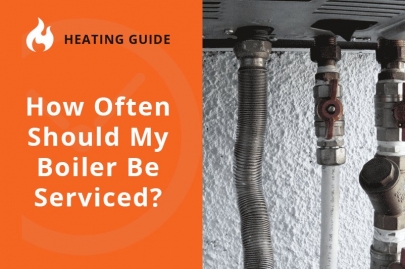
A boiler is one of the most important features of any property, providing hot water and powering the central heating system. Due to their constant use and their importance in your home, it's essential to ensure that boilers are professionally serviced on a regular basis. Losing your boiler can cause a great deal of disruption; losing your hot water and heating, especially in winter, can be an inconvenience at best and dangerous at worst. By ensuring your boiler is serviced annually, you can prevent boiler issues instead of having to deal with them later. The cost of having your boiler serviced will usually be less than having the unit repaired and certainly less than having to buy a replacement.
Modern boilers are more reliable and efficient than ever before but this doesn't mean they're immune to breakdowns. Aside from complete shutdowns, there can be other problems with your boiler that won't be as obvious but could still cost you money by operating at reduced efficiency. Though not a regular occurrence, gas leaks can be extremely dangerous, potentially resulting in a release of carbon monoxide. Regular servicing, ideally annually, will help avoid these issues. Some warranties also require that your boiler is serviced annually so be sure to arrange this to avoid it becoming voided. Even more importantly, your home insurance might become voided if you don't keep your boiler serviced and a boiler failure damages your home, meaning you could lose far more than the comparatively low cost of proper maintenance.
Finding someone to service your boiler should be relatively straightforward. The original installer will usually leave their details on the front of the boiler, as well as in the boiler's log book. If calling this engineer isn't possible (due to a retirement, for example), you can find a qualified professional by consulting the Gas Safe Register. This will ensure you find an engineer who is certified and familiar with your boiler type. A Gas Safe engineer will issue a certificate when the work is done, especially important for landlords, who are required by law to have one as proof that their boilers are properly maintained.
If you have your boiler serviced every twelve months, you should be able to avoid a large number of issues. The ideal time to do this is in the late summer, before intensive use in the winter months places a strain on the boiler. In addition, winter is obviously the worst possible time for a boiler breakdown or for to have your boiler out of operation for repairs. It's also a good idea to consider having your boiler serviced after moving to a new home, especially if you've had building work done or can't verify when it was last checked. The most important thing is to not wait until there's a problem. When your boiler is functioning properly, it's easy to forget how essential a part of your property it is and the amount of work it performs to keep your home warm. Over a long enough period of time, wear and tear will inevitably create issues with even the best boilers that need to be addressed.
A Gas Safe engineer will perform several important tests during their visit. Most importantly, they will check for any traces of carbon monoxide in the air; carbon monoxide is invisible to the naked eye and odourless and even brief exposure can have a severely negative impact on the body. If you don't already have a carbon monoxide detector placed near your boiler, an engineer will likely recommend installing one during his visit. Their other tests will detect any other issues with your boiler and help the engineer recommend any maintenance work that needs to be performed. This will include replacing any parts that show significant signs of wear and tear and might lead to boiler failure in the future.
As with most features of your home, prevention is always better than repair. By noting when you last had your boiler serviced and making sure to have the unit checked by a professional once each summer, you can avoid many of the issues that might affect your boiler. So long as you ensure your boiler is serviced annually, you'll be protecting any product warranties and your home insurance.

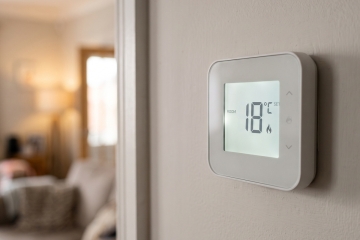
What temperature should your home be? Find out how a cold house may affect your health, who is most at risk and when to put the heating on.
The amount of energy your home needs will depend on the property, the heating system, how well the house holds heat and how often each room is being used. A heating schedule that works for one household might be completely wrong for another.
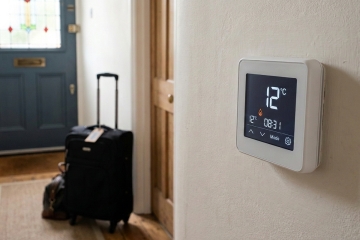
If you're going away during colder weather, leave the heating system powered and turn the thermostat down rather than switching the boiler off completely.

By signing up I agree to receive HeatandPlumb.com emails and to the privacy policy. I can also unsubscribe at any time