
0
£0.00
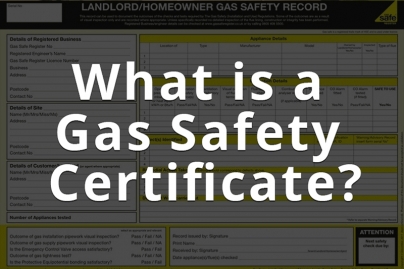
A gas safety record, also known as a gas safety certificate (CP12), is a document that is filled out when a gas safety check is carried out on gas appliances.
Landlords also legally must ensure the pipework in a property is in a safe condition. Most gas safety record forms also include a section for engineers to record the results of tests on the integrity of pipework to indicate whether the pipework is safe.
Depending on the situation, a gas safety record may or may not be legally required, but we'd always recommend having one anyway.
A gas safety record is required by law to be held by all landlords of rental accommodation in the UK that have gas appliances present. A gas safety check must be carried out by a gas safe registered engineer annually, with a gas safety record completed and a copy provided to tenants within 28 days of the checks being carried out.
If you're a homeowner then you are not legally required to have a gas safety record. However, it is highly recommended that you get all your gas appliances serviced every year by a registered Gas Safety Engineer. Make sure you ask your engineer for a copy of the gas safety record once they've completed the work. In most cases, they'll provide you with a copy anyway, but make sure to ask if none is forthcoming as it's always good to have a copy.
To find out more about why you need a Gas Safe Engineer to carry out any work inside your property, just read our article on why you should use a Gas Safe Engineer.

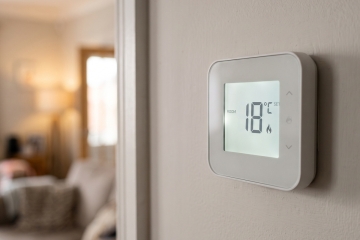
What temperature should your home be? Find out how a cold house may affect your health, who is most at risk and when to put the heating on.

The amount of energy your home needs will depend on the property, the heating system, how well the house holds heat and how often each room is being used. A heating schedule that works for one household might be completely wrong for another.
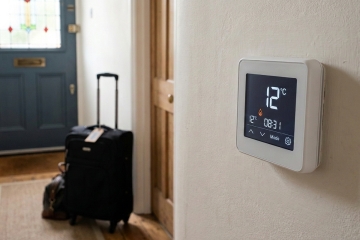
If you're going away during colder weather, leave the heating system powered and turn the thermostat down rather than switching the boiler off completely.

By signing up I agree to receive HeatandPlumb.com emails and to the privacy policy. I can also unsubscribe at any time