0
£0.00
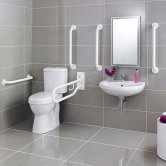
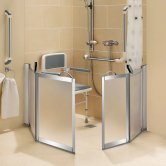
We have one of the most wide-ranging selections of disabled and accessible bathrooms available online, designed to be cost-effective as well as fit for purpose. For a simple bathroom or shower room transformation into a compliant disabled space, choose a low level shower tray and half-height doors.
Our Disabled Bathrooms Brands






When adapting a washroom for limited mobility or wheelchair access, space and structural integrity are your biggest priorities. You cannot simply swap standard fittings for accessible ones; the layout must be fundamentally redesigned to remove trip hazards and allow for safe turning circles.
Clearances & Transfers: A fully compliant wheelchair accessible bathroom requires a clear turning circle of at least 1500mm x 1500mm. You must also leave adequate lateral space next to the toilet and inside the shower enclosure to allow for safe side-transfers from a chair.
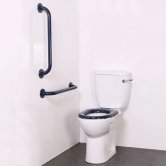
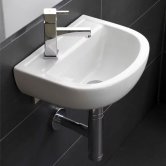
Wall Strength: Accessible sanitaryware places immense sheer force on your bathroom walls. Before ordering wall-hung basins, fold-down shower seats, or heavy-duty grab rails, your installer must ensure your walls are structurally reinforced with timber noggins or specialist mounting frames. Standard hollow plasterboard will not support human body weight.
Water Temperature Safety: To prevent scalding for users with limited dexterity or sensory loss, it is a strict requirement that hot water feeds to accessible basins and showers are controlled by TMV3-approved thermostatic mixing valves.
If you are purchasing accessible sanitaryware or adapting a bathroom for someone who is chronically sick or has a registered disability, you may be eligible for VAT relief. Products designed specifically for disabled use (such as raised-height toilets, fold-down shower seats, and specialist grab rails) can often be purchased with VAT zero-rated for domestic installations. Always consult HMRC guidelines or speak to your installer about claiming this exemption before starting your project.
This depends entirely on the user's mobility. If the user can stand but struggles to lift their legs, a standard shower enclosure fitted with a slip-resistant, ultra-low-profile tray (often just 25mm high) is usually sufficient. However, if the user requires a shower wheelchair or a carer to assist them, you must install a fully tanked wet room. This removes the tray lip entirely, creating a 100% flat, step-free floor.
Yes, if you are adapting your home to meet the needs of a disabled person, you can apply to your local council for a Disabled Facilities Grant (DFG). This grant can help cover the cost of structural changes, such as widening doors for wheelchair access, installing a flush-level wet room, or fitting a downstairs Doc M suite.

By signing up I agree to receive HeatandPlumb.com emails and to the privacy policy. I can also unsubscribe at any time