0
£0.00
Choosing the right radiator makes a real difference to how comfortable and efficient your home feels. Whether you're replacing an old panel radiator, fitting out a new build, or upgrading to a designer model that doubles as a focal point, Heat and Plumb stocks one of the widest selections of central heating radiators available online in the UK - with free delivery to 98% of UK addresses.
Our range covers everything from budget-friendly flat panel radiators and compact convectors to traditional column radiators, contemporary vertical designer styles, low surface temperature (LST) models for family homes, and electric radiators for rooms without a central heating connection. Browse by type, size, orientation, colour, or heat output below.

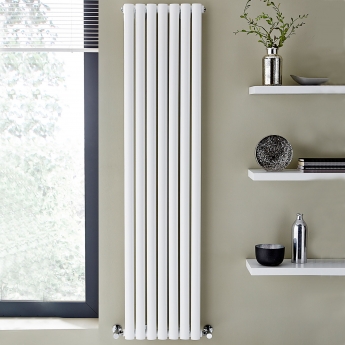
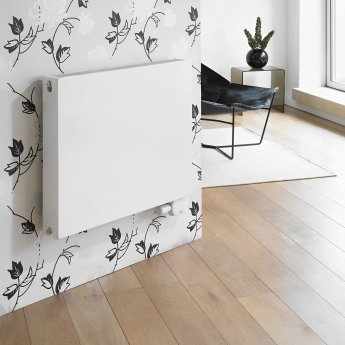
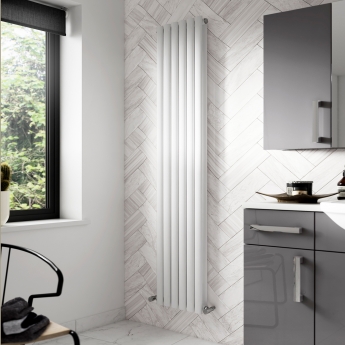
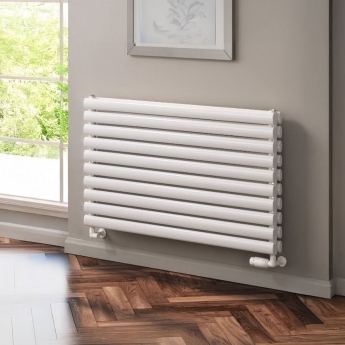
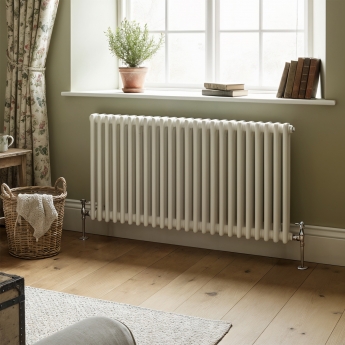
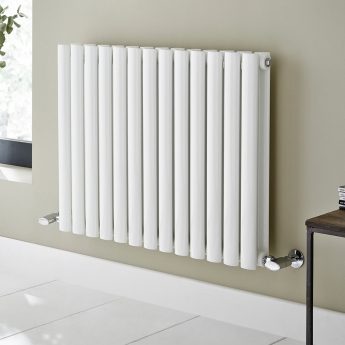
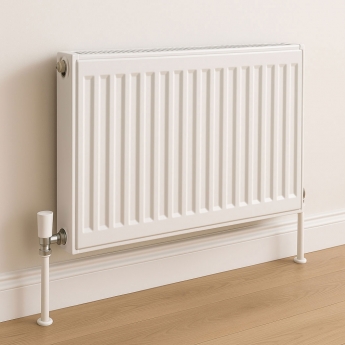
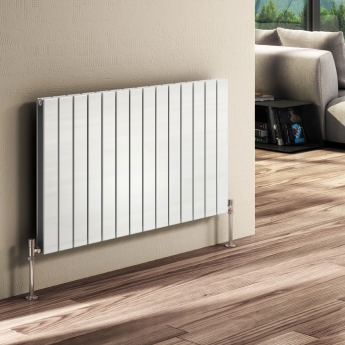
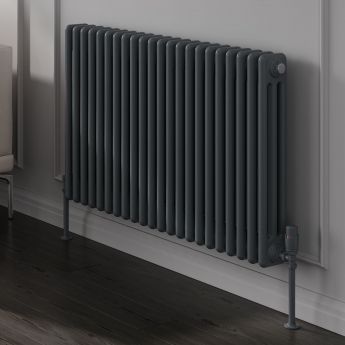
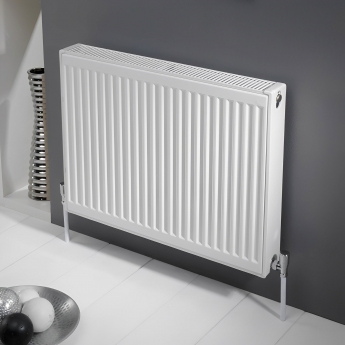
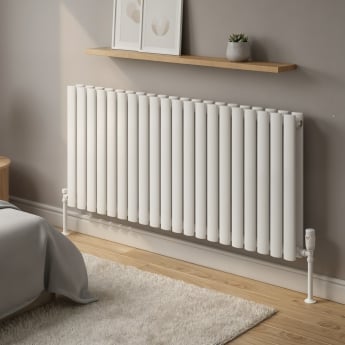
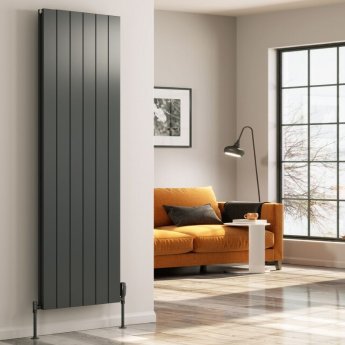
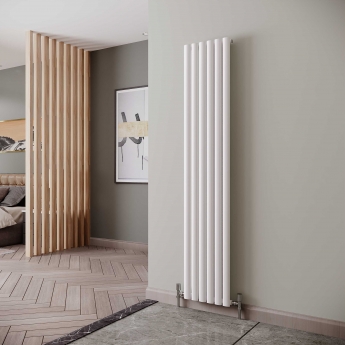
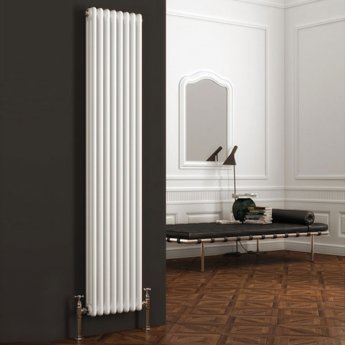
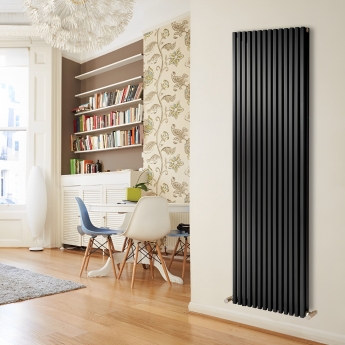
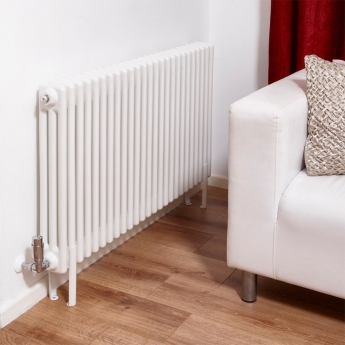
You are viewing 36 of 276 products
From classic panel radiators to contemporary designer styles, here's a quick overview of the main types we stock – and where each works best.
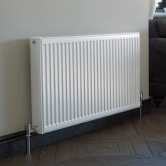
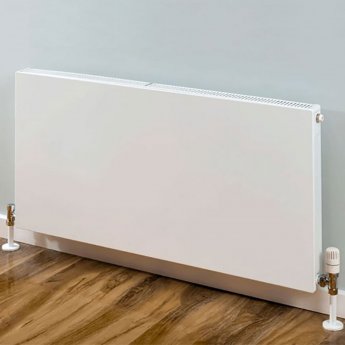
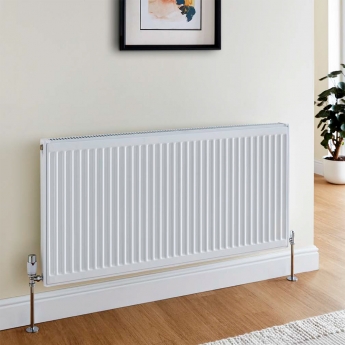
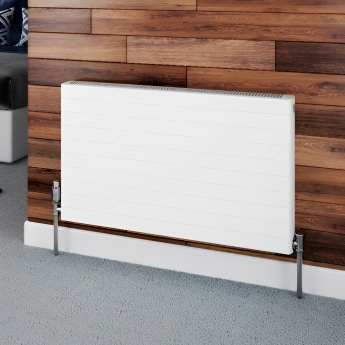
The UK's most popular choice. Single (K1) and double (K2) convector panels suit most rooms.
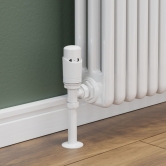
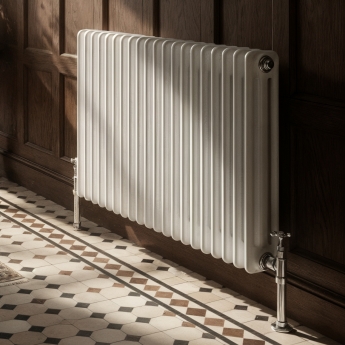
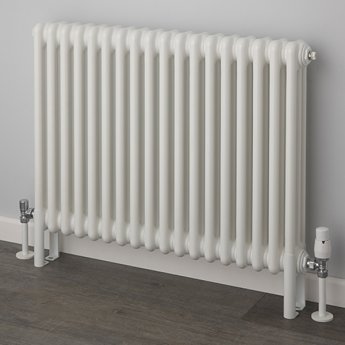
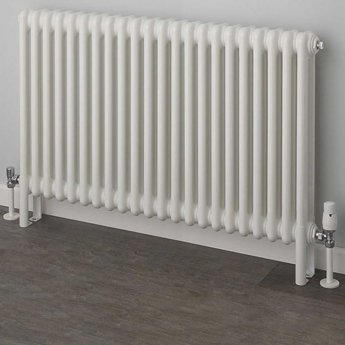
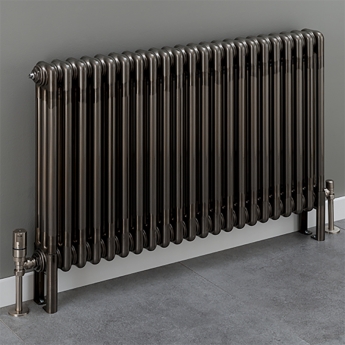
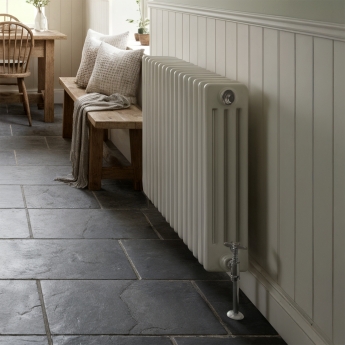
Traditional styling with excellent heat output, ideal for period homes and classic interiors.
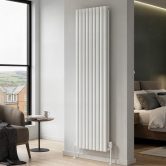
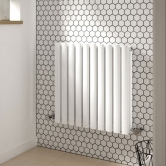
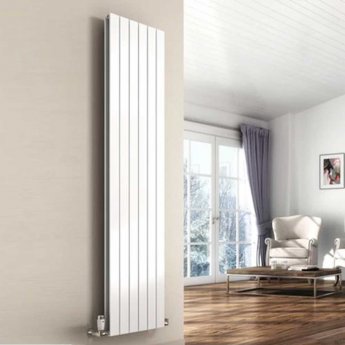
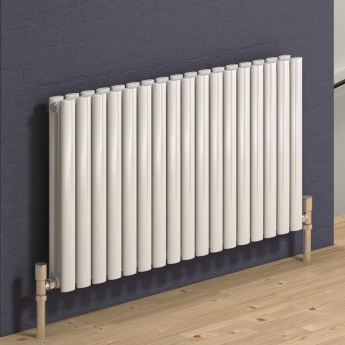
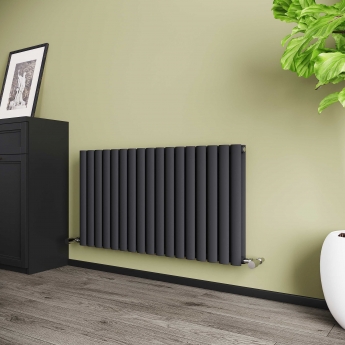
Contemporary heating solutions that combine performance with eye-catching design.
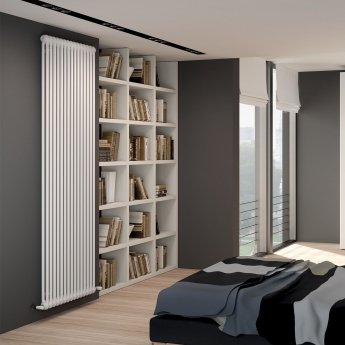
Perfect where wall space is limited, offering efficient heating without compromising room layout.
Surface stays below 43°C. Recommended for children's rooms, care homes and schools.
Flexible heating without the need for central heating connections, ideal for modern living.
The best way is to calculate the BTU (British Thermal Unit) output required for your room. BTU is determined by your room's length, width, and height, along with factors like window size, room type, and insulation quality. As a rough guide, a well-insulated 4m x 4m living room typically needs around 3,500-4,500 BTU.
A single panel radiator (K1) has one panel and one set of convector fins, making it slimmer and suited to smaller rooms with modest heat requirements. A double panel radiator (K2) has two panels and two sets of fins, producing significantly more heat output from the same wall space. For most living rooms and bedrooms, a K2 is the better choice as it heats the room more efficiently without needing a larger footprint.
Replacing a like-for-like radiator on an existing central heating system is a job many competent DIYers can tackle - it involves draining the system, swapping the unit, and refilling. However, any work that involves extending pipework, modifying the boiler, or connecting to a gas supply must be carried out by a Gas Safe registered engineer. If you're adding a new radiator to your system rather than replacing one, we'd always recommend using a qualified plumber.
Yes - provided you choose a model with the correct BTU output for your room, a vertical radiator will heat the space just as effectively as a horizontal one. The orientation affects where heat is distributed in the room (vertical radiators tend to produce a column of warm air that spreads across the ceiling and down) but not the total amount of heat produced. The key is always to match BTU output to your room's requirement, regardless of the radiator's shape.
Aluminium radiators are generally the most responsive - they heat up quickly and cool down fast, which works well with thermostatic controls and reduces wasted energy. Steel panel radiators are the most common and offer a good balance of efficiency and cost. Cast iron radiators take longer to heat up but retain warmth for longer after the boiler switches off, which can be efficient in rooms that need sustained heat. Pairing any radiator type with thermostatic radiator valves (TRVs) will significantly improve energy efficiency across your whole system.
LST stands for Low Surface Temperature. These radiators are enclosed in a casing that limits the outer surface temperature to below 43 degC, making them safe for environments where vulnerable people - including young children, the elderly, or those with reduced mobility or sensation - may come into contact with them. They are commonly specified for schools, care homes, nurseries, and family bathrooms. If you're fitting a radiator in any of these settings, an LST model is strongly recommended and may be required by building regulations.
Not always, but it's worth checking. If your existing valves are old, corroded, or leaking, replacing them at the same time as the radiator saves you draining the system twice. It's also a good opportunity to upgrade to thermostatic radiator valves (TRVs) if you don't already have them - they allow individual room temperature control and can noticeably reduce energy bills. Browse our full range of radiator valves, which are sold separately and available in matching finishes.
A well-maintained steel panel radiator will typically last 15-20 years. Column radiators and cast iron models can last considerably longer - some cast iron radiators are still in service after 50+ years. The main causes of early failure are corrosion from a poorly maintained heating system and physical damage. Using a central heating inhibitor, power flushing the system periodically, and ensuring the water pH is correctly balanced will all significantly extend radiator lifespan. Most radiators in our range come with a 5-10 year manufacturer's guarantee.

By signing up I agree to receive HeatandPlumb.com emails and to the privacy policy. I can also unsubscribe at any time