Controlling the heating in your home can be achieved in many ways - from
Radiators
Valves on a Radiator to Programmers and Timeswitches which can control when and what your Central Heating
Boiler is required to heat.
About Heating Controls
To heat your home efficiently with as little heat and fuel as possible - then the right heating controls are just as important as the correct boiler. Heating controls give you the freedom to control when the heating is on, what temperature it is, and what rooms in your home/building you want to heat.
A saving of 17% on your entire heating bill can be achieved by
fitting the right heating control in the right location in your home. Furthermore, it has been calculated that if you were to fit the right set of
heating controls, and a condensing boiler, your home heating saving could rise to as much as 40%.
Once you have installed the controls, it is important to ensure they are used correctly. This is the easiest way to keep your rooms at a comfortable temperature and in doing so, they'll help to reduce your household's fuel bills and CO2 emissions, too.
What do you mean by a full set of heating controls?
A properly controlled heating system should typically have:
- A time programmer
- A room thermostat
Or.......
- A combined programmable room thermostat instead of separate programmer and room thermostat.
Plus.....
- A cylinder thermostat if your home has a regular condensing boiler with a hot water cylinder
- Thermostatic radiator valves (TRVs)
How do you know if you are making the most of your heating controls?
You may already have a full set of
heating contols in your home - but are you getting the best from them? Take a little time to find out what each control does using our quick guide below and you could save money and valuable energy. If you do have any of these controls already refer to the instruction manuals that came with them, for specific advice on your particular make and model. If you don't have any manuals to hand, copies can usually be downloaded from manufacturer's website.
What is a programmer?
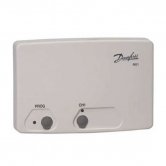
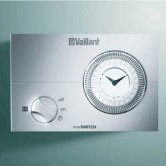
Programmers allow you to set when the heating and hot water come 'On' and go 'Off' again. By
installing a programmer, and heating your home and hot water only as and when necessary, you will save energy and money.
What is a room thermostat?
A room thermostat constantly measures the air temperature of a space and can be set to whatever temperature suits you best. They are usually in halls, stairs or landing areas to sense the temperature of a home's main living spaces. When the temperature falls below the setting, the thermostat switches on the central heating; once the room reaches the set temperature, the thermostat switches the heating off. Please note that the timer or programmer needs to be switched on for the thermostat to work.
What is a programmable room thermostat?
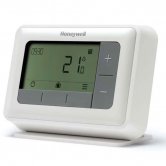
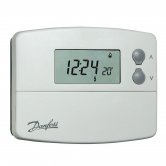
A
programmable room thermostat lets you choose the times you want your home to be heated and the temperature you want it to reach while it is on. In other words, it allows you to heat rooms or the whole house to different temperatures in your home at appropriate times of the day and week. And again, by heating your home and hot water only as and when necessary, it can save energy and money too.
What is a cylinder thermostat?
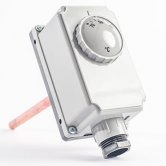
A cylinder thermostat keeps a constant check on the temperature of the water in a hot-water cylinder. It switches the heat supply from the boiler on and off as necessary to keep the water at a set temperature. Installing a cylinder thermostat could save you up to £20 and 110kg of CO2 a year.
What are thermostatic radiator valves (TRVs)?
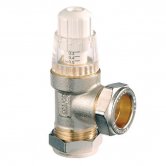
TRVs sense the air temperature around them and regulate the flow of hot water entering the radiators to keep a set temperature in a room. Again,
thermostatic radiator valves they can help you save money and energy - by allowing temperatures in some rooms than in others, and to turn off the heating in rooms that aren't used.
In the majority of cases TRVs can not turn off the boiler when the whole house has reached the right temperature. To do that, you will need a
room thermostat as well. Radiators in the space containing the room thermostat should not normally have TRVs. But if they do, you should keep the TRVs on their highest possible settings, and set the room thermostat to the required temperature instead. By installing
TRVs, you could save around £10 a year and around 45kg of CO2 a year.
Heating Controls News
Heating controls 'lower costs'
Heating controls 'can reduce bills'
Heating controls for 'dumb' appliances
Heating Controls - School's heating controls cut carbon
Heating Controls - 'Be aware of heating control requirements'
Heating Controls - New Honeywell product launched
Heating Controls - Honeywell lauded by efficiency expert
Heating Controls - Dimplex and Vaillant on awards shortlist
Heating controls help firm receive award nomination
Heating Controls - Energy tips 'do not work'
Heating Controls - Commuters' body heat to warm Swedish office block
Heating Controls - Consumer Reports issues energy saving tips
Heating Controls - Ceres develops combined heat and power unit