0
£0.00
Steel baths have a straightforward appeal: they are made to last, they look sharp, and they do not compromise on feel. The construction process starts with a sheet of steel, pressed into shape under high pressure, then coated with a layer of vitreous enamel and fired at extreme temperature. What you are left with is a surface that is glass-hard, non-porous, and resistant to the kind of fading and discolouration that can affect cheaper alternatives over time.
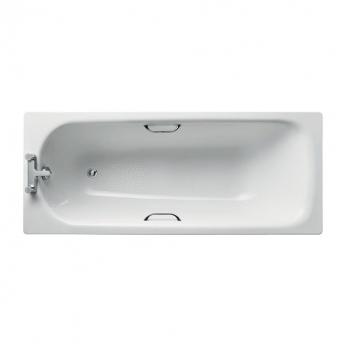
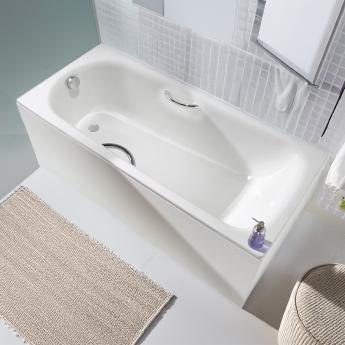
At Heat & Plumb, our steel bath range spans everything from compact rectangular models at 1500mm through to larger double-ended and freestanding baths suited to more generous spaces. You will find shower bath configurations for rooms where a bath and shower share the same footprint, as well as baths fitted with grip handles for added safety and stability.
Brands in our range include Kaldewei, Roca, Ideal Standard, Twyford, and Armitage Shanks - manufacturers who have built their reputations on getting the details right. Whether you are replacing an old bath or specifying a new bathroom from scratch, this is a good place to start.


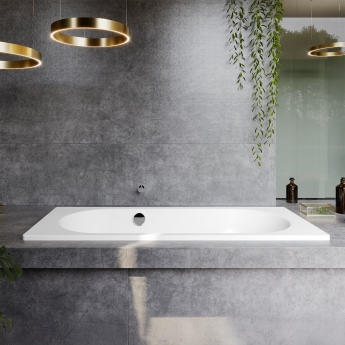

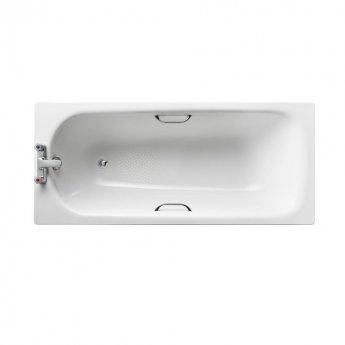
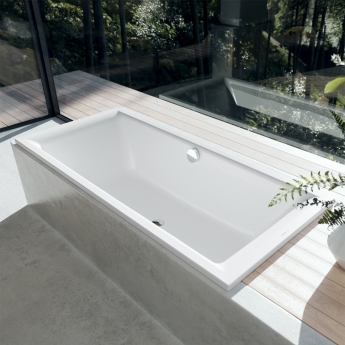
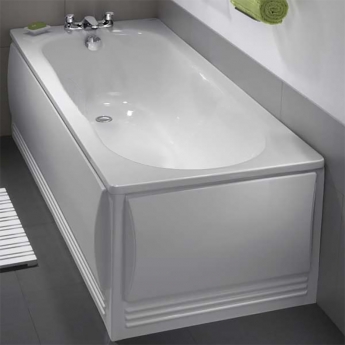
You are viewing 36 of 37 products
Steel enamel is not a new material, but it is one that has held its ground precisely because it performs well over the long term. The enamel coating - fired onto the steel at high temperature - bonds at a molecular level, producing a surface that resists scratches, limescale, and UV exposure without needing much intervention from the owner. It does not yellow with age the way acrylic can, and unlike many synthetic surfaces, it stays genuinely white rather than drifting towards cream after a few years of use.
The non-porous nature of the surface is worth mentioning too. Bacteria and mould cannot take hold in the way they can on surfaces with micro-abrasions or porosity, which makes cleaning both easier and more effective. A wipe down with a non-abrasive cloth and mild detergent is all that is typically needed. There is no need for specialist products or weekly scrubbing.
For anyone concerned about the environmental side of things, steel is fully recyclable at end of life. Acrylic, by contrast, is petroleum-derived and not recyclable in domestic waste streams. If longevity and material provenance matter to you, steel enamel stacks up well on both counts.
Not all steel baths are built to the same standard, and the differences are worth understanding before you buy.
This is the single most important quality indicator. Budget steel baths can use sheet steel as thin as 1.6mm, which affects rigidity and how the bath feels underfoot. At the premium end, manufacturers like Kaldewei use a combined steel and enamel construction at 3.5mm, which produces a noticeably more solid bath - one that flexes less, sounds better, and tends to carry longer guarantees as a result. Kaldewei backs their baths with a 30-year guarantee, which is a reasonable reflection of what quality construction actually delivers.
A standard 1700mm steel bath typically weighs between 25kg and 45kg, depending on specification. That is considerably lighter than cast iron, which can run to 100kg or more, but heavier than acrylic. For most ground-floor and solid-floor installations this presents no issue at all. If you are installing on a suspended timber floor in an older property, it is worth checking with a builder or structural engineer before committing, particularly if you are also considering a large freestanding model.
Acrylic is an easy material to drill through - even for a novice DIY-er - but the same cannot be said for steel baths. If you are planning to install deck-mounted taps on your new tub, consider purchasing a model that comes with pre-drilled tap holes. Most pre-drilled baths space their tap holes at 180mm apart, an industry-standard measurement thats compatible with all typical bath fillers and bath shower mixers.
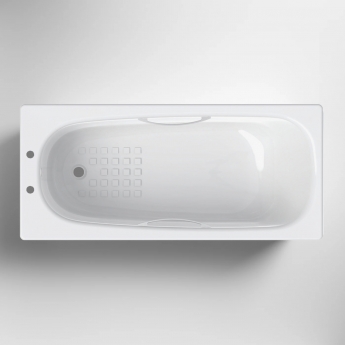
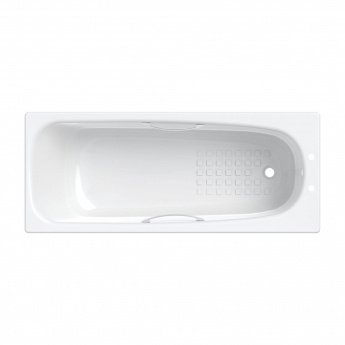
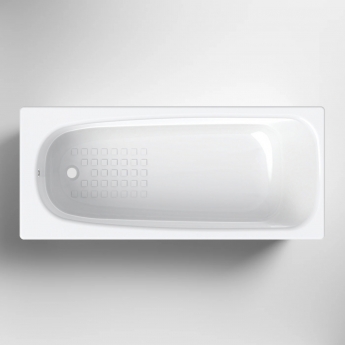
If mobility is a concern, or if the bath will be used by a multi-generational family, you may wish to consider a bathtub with an anti-slip surface coating. This special surface can manifest itself in a number of ways - sometimes virtually invisible but other times a visual tread pattern is used.
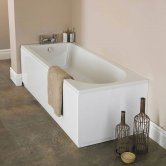
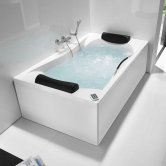
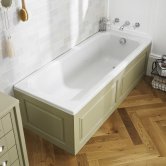
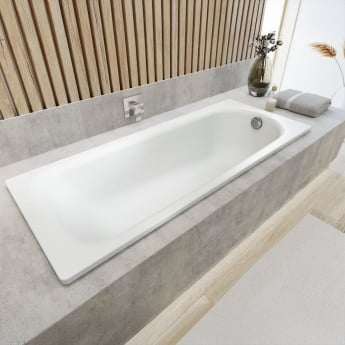
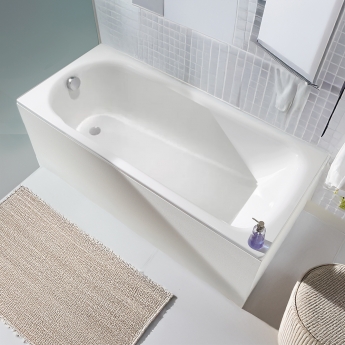
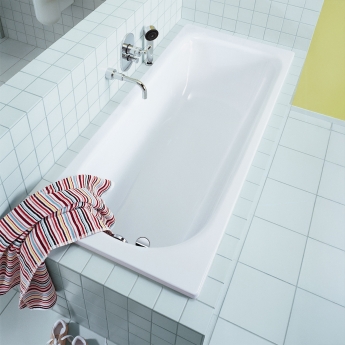
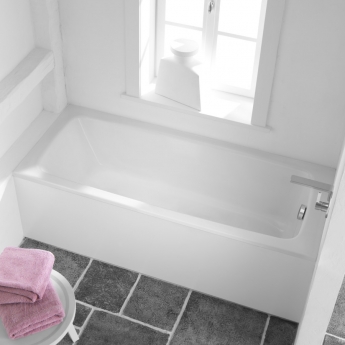
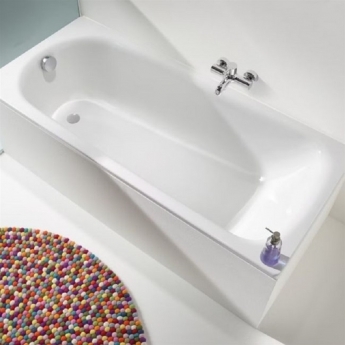
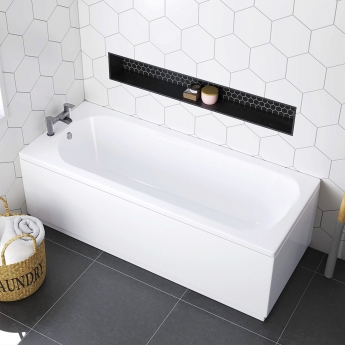
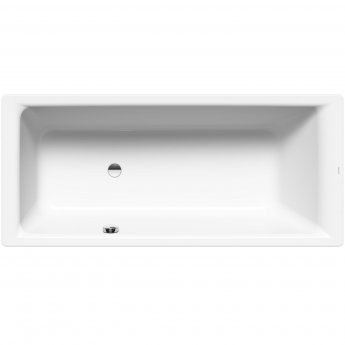
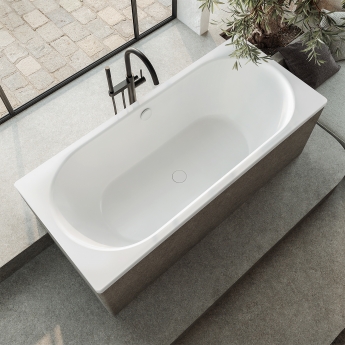
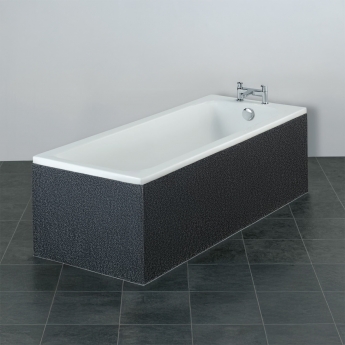
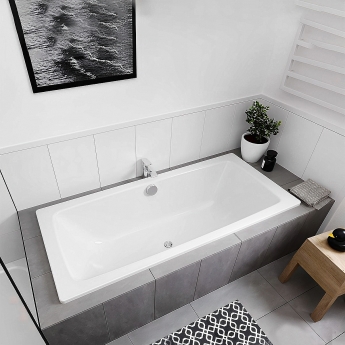
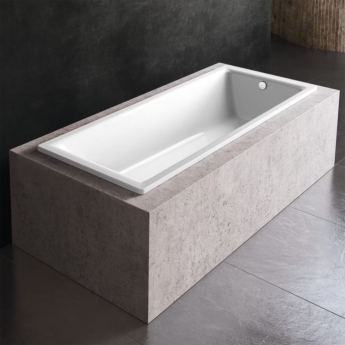
Rectangular baths are the most practical choice for most bathrooms - they fit standard alcove spaces and are straightforward to panel and seal. We stock single-ended and double-ended configurations, with sizes from 1500mm up to 1800mm in length.
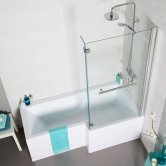
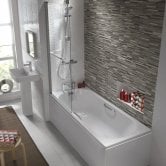
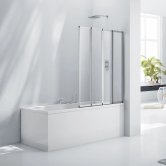
For rooms where a shower is also needed in the same footprint, a steel shower bath is a sensible option. The asymmetric shape provides a wider showering area at one end without requiring a separate enclosure.
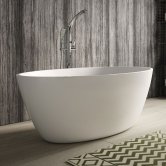
Freestanding steel baths offer something different. Placed away from the wall, they become a visual centrepiece rather than a fitted fixture. Steel works well in this format because the material is rigid enough to hold its shape without additional bracing.
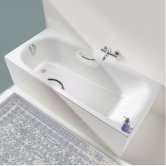
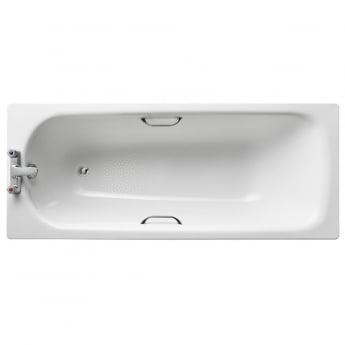
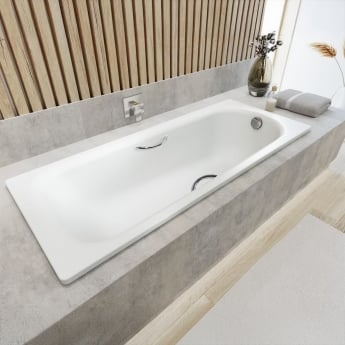
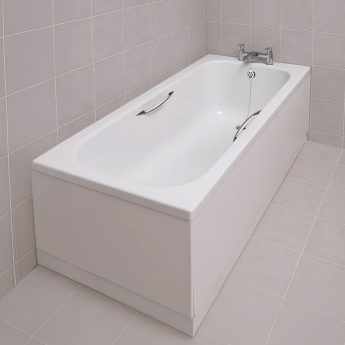
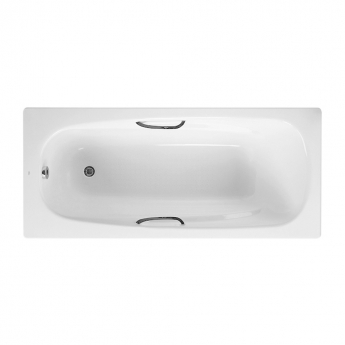
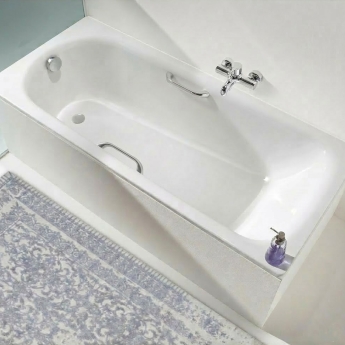
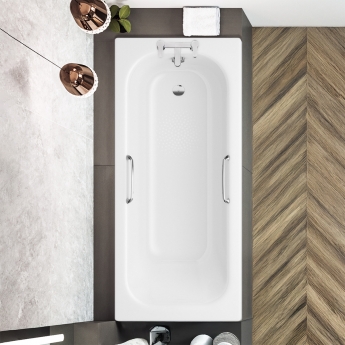
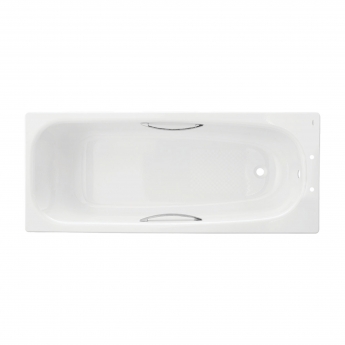
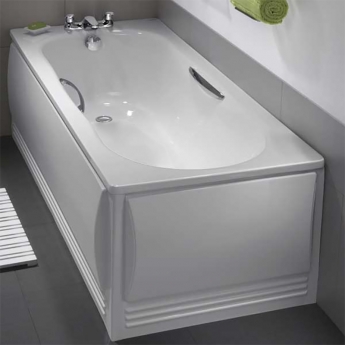
If accessibility is a consideration, we also stock steel baths fitted with integrated grip handles. These provide meaningful support for getting in and out, without the clinical look of aftermarket grab rails bolted to the wall.
The decision between steel and acrylic is not one-sided. Both materials have genuine strengths, and the right choice depends on what matters to you.
Steel enamel is harder and more resistant to surface damage. Dropped objects are less likely to cause lasting harm, and the surface does not scratch from normal cleaning. Acrylic is softer and more susceptible to marks from abrasive cleaners, though minor scratches can sometimes be buffed out - something that is not possible with enamel.
On heat, the picture is more nuanced than the marketing often suggests. Steel conducts heat efficiently, which means the bath warms up quickly when you fill it. However, steel also loses heat faster than acrylic if the bath has no underside insulation. Quality steel baths address this directly with foam backing or an insulating coating, and when that is in place, heat retention is very good. It is worth checking the spec rather than assuming.
Acrylic is lighter, warmer to the touch initially, and generally less expensive. Steel is heavier, more rigid, and typically more durable over the long term. If you are installing once and expecting the bath to last decades, steel enamel is the more considered choice.
Steel enamel baths ask very little of their owners. The surface cleans easily with warm water, a soft cloth, and standard bathroom cleaner. What it does not tolerate is abrasive products - scourers, wire wool, or granular cleaning agents will dull the enamel and make the surface more susceptible to staining over time. Stick to liquid or cream cleaners and the surface will hold its finish for many years.
If the enamel is chipped or damaged, re-enamelling is possible. It requires a specialist rather than a DIY approach, but it does mean the bath can be restored rather than replaced. The better strategy is simply to avoid the conditions that cause damage in the first place: no abrasive cleaning, no dropped heavy objects, and no harsh chemical products left sitting on the surface.
We stock steel baths from some of the most respected names in the category, including Kaldewei, Roca, Ideal Standard, Twyford, and Armitage Shanks. Each brings something specific to the range, from Kaldewei's 3.5mm enamel construction and 30-year guarantee through to Ideal Standard's breadth of specification options.
Our specialist technical sales team is available if you need advice before ordering, so don't hesitate to get in touch. Delivery is available across the UK, and free to the majority of mainland locations, with options to suit different project timelines. If something is not right when it arrives, our returns process is straightforward and designed to cause as little disruption as possible.
It depends on what you prioritise. Steel enamel is harder, more scratch-resistant, and more durable over the long term. Acrylic is lighter, warmer to the touch initially, and usually less expensive. For a bathroom that you want to install once and leave for twenty years or more, steel enamel is generally the stronger choice. For a rental property or a lower-budget project, acrylic may make more practical sense.
A quality steel enamel bath, properly cared for, will outlast most of the other fixtures in your bathroom. Kaldewei, for example, back their baths with a 30-year guarantee, and with non-abrasive cleaning and reasonable care, the surface can remain in excellent condition well beyond that. The enamel does not yellow or degrade in the way that acrylic does over extended periods.
Thinner steel baths can produce a drumming sound when filling, caused by the water hitting the steel sheet. It is a recognised characteristic of budget or lighter-gauge models. Quality manufacturers address it by applying anti-drumming pads or sound-insulating coating to the underside. If noise is a concern, we would recommend checking the specification of a particular model, or getting in touch with our team before ordering.
A standard 1700mm steel bath typically weighs between 25kg and 45kg, depending on the thickness of the steel and any additional underside coating. That is substantially lighter than cast iron but heavier than acrylic. For most installations this is not an issue, but if you are working with a suspended timber floor in an older property, it is worth taking advice from a builder before you buy.
Yes, though it is specialist work rather than a DIY job. A professional re-enamelling service can restore a chipped or stained bath to a serviceable finish. That said, prevention is considerably easier: consistent use of non-abrasive cleaners and avoiding heavy impacts will keep the enamel in good condition for a very long time without the need for restoration.
Standard UK steel bath sizes run from 1500mm to 1800mm in length, with 1600mm and 1700mm being the most common choices. Width is typically between 700mm and 800mm, though freestanding models may vary. If you are working with a specific alcove or space, it is worth measuring carefully before ordering -- we can help if you are unsure which size will work for your layout.

By signing up I agree to receive HeatandPlumb.com emails and to the privacy policy. I can also unsubscribe at any time