0
£0.00
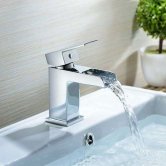
Basin mixer taps have now become a standard fitting in the majority of new bathroom fittings in the UK. This is largely down to its practicality, as mixer taps combine hot and cold water follows together to create your chosen blend through its single spout. But it's also because of the level of versatility that a mixer offers in choice of style.
We stock a humongous range of basin mixer taps; available in all kinds of styles, price brackets, and mountings. From ultra-contemporary designs with high-tech Infra-red controls to classy traditional designs with crosshead tap heads, there's a tap here for everyone.



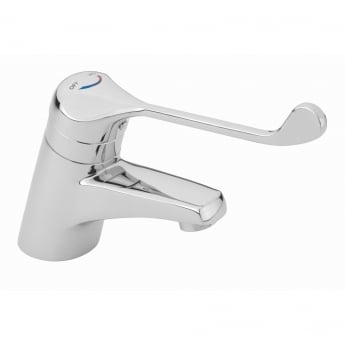
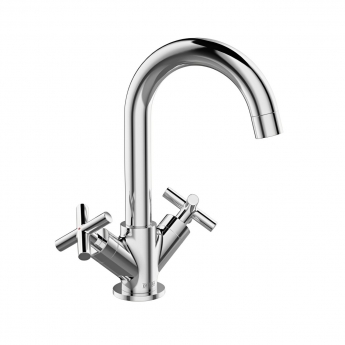
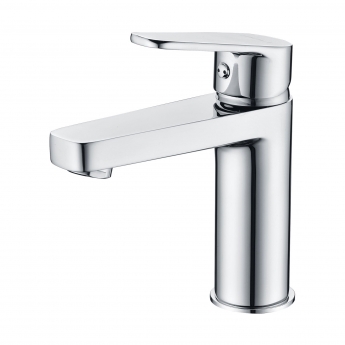
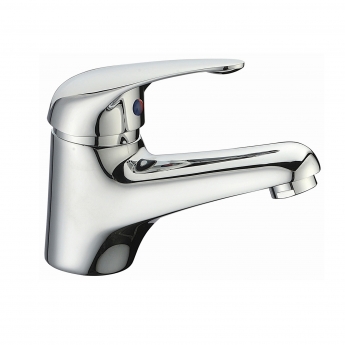


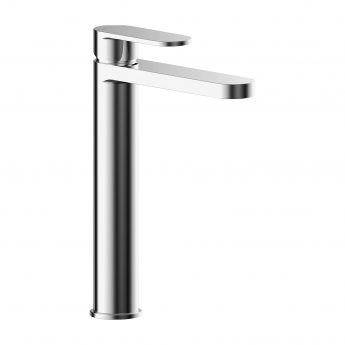
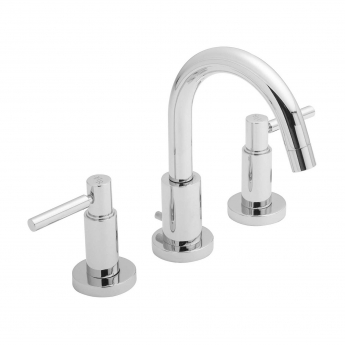
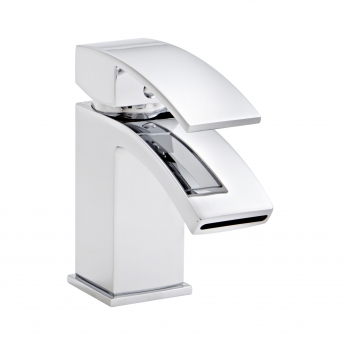
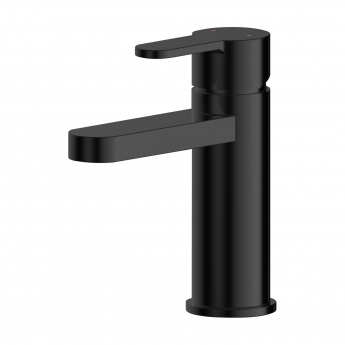

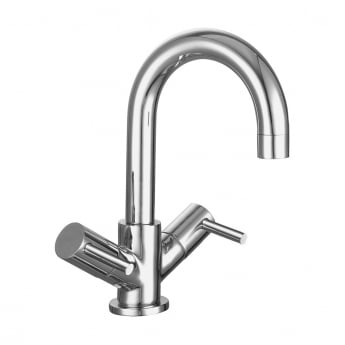
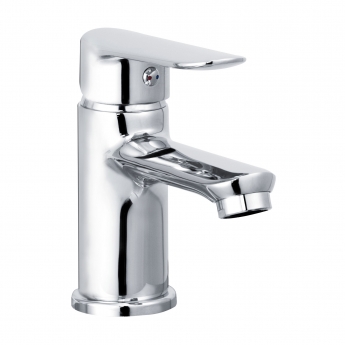
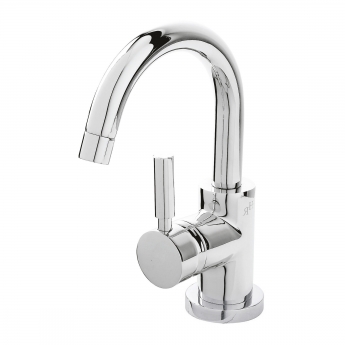
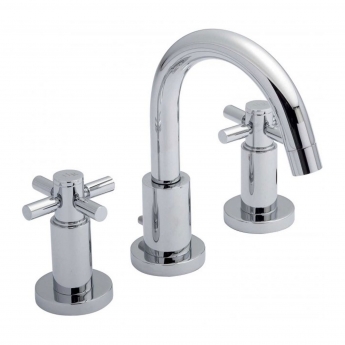
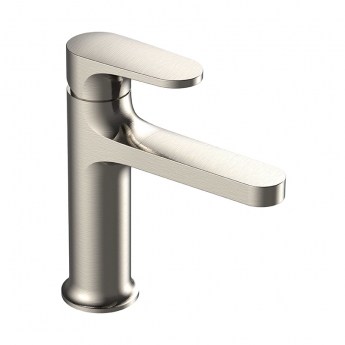
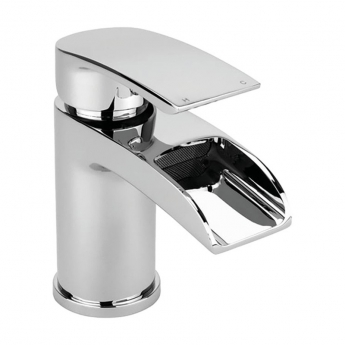
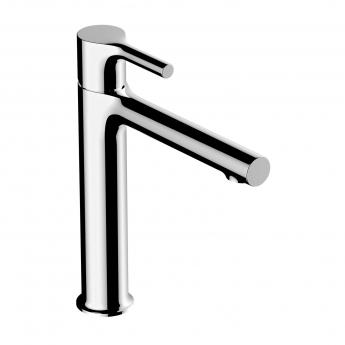
You are viewing 36 of 1416 products
We're all familiar with the concept of a mixer tap, where hot and cold water is mixed in the tap and comes out one spout. However, you probably hadn't appreciated just how wide a choice of mixer taps there was before looking through our extensive range.
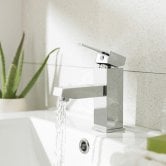
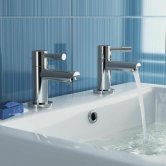
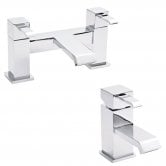
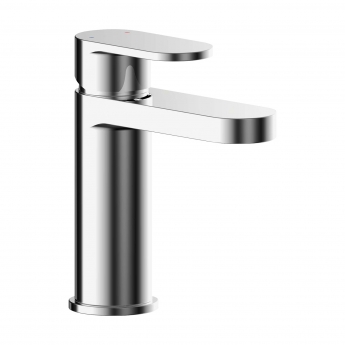
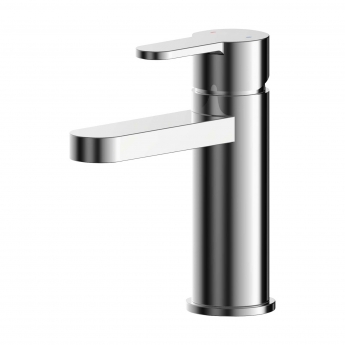
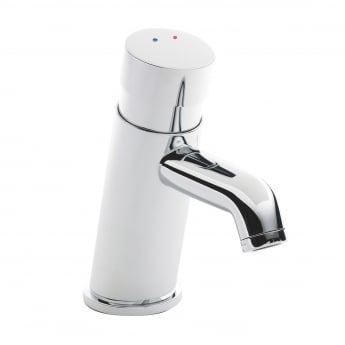
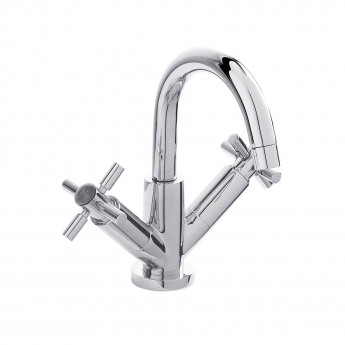
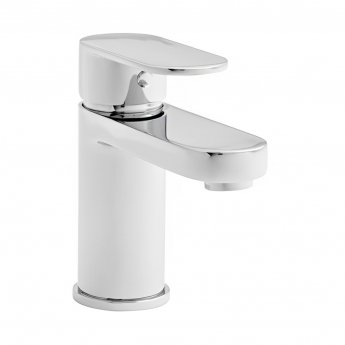
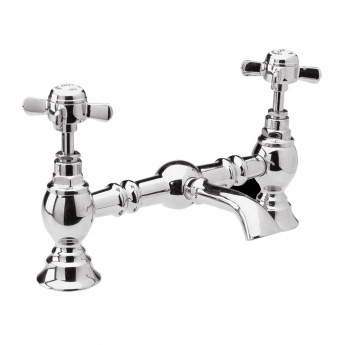
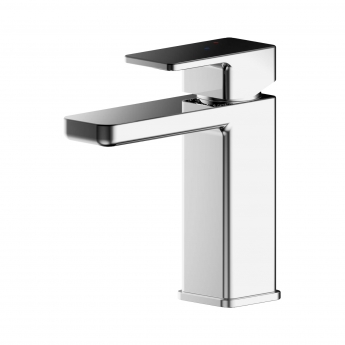
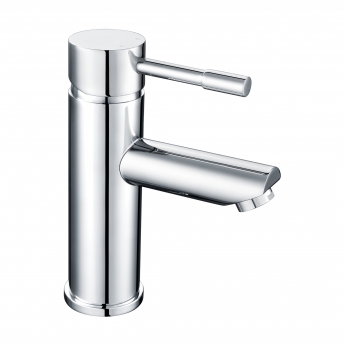
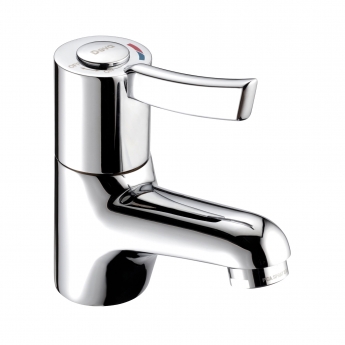
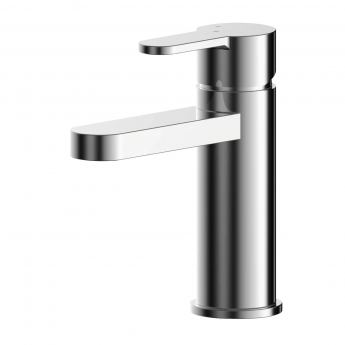
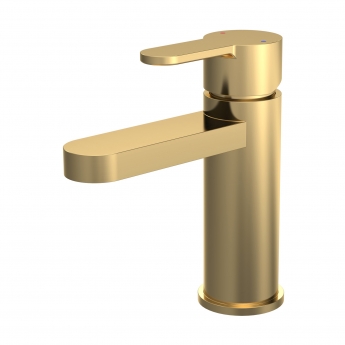
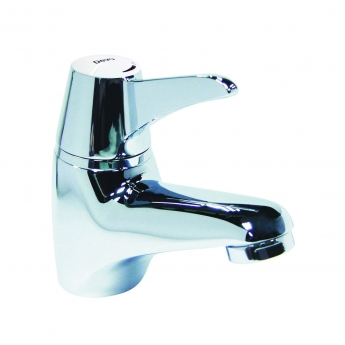
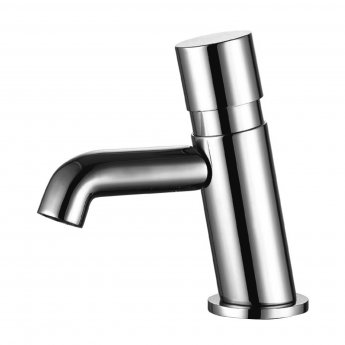
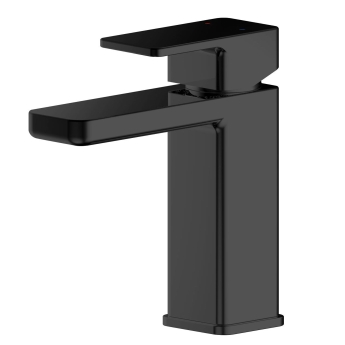
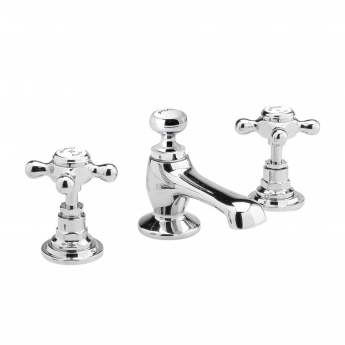
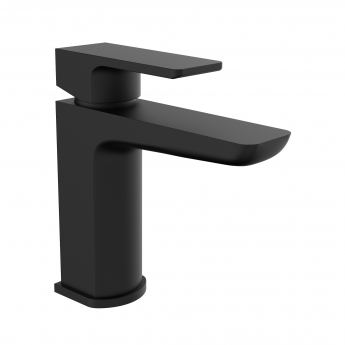
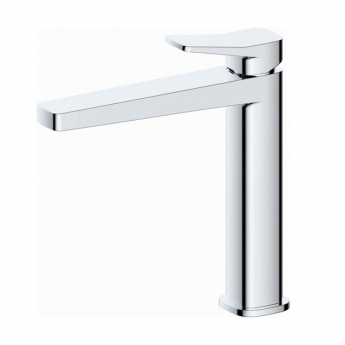
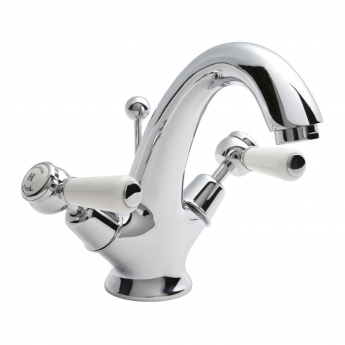
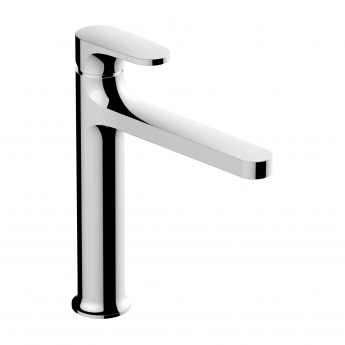
Mixer taps can be split into two main categories - those which have two separate controls for hot and cold, and those which have just one swivel lever to control both. The decision about which type to go for is mainly a matter of taste, although you might be constrained by the number of tap holes which you have in your new sink or basin. There's a huge range of different styles available from the ultra-modern, square tap which would look stunning in a modern bathroom, through to a more traditional look with cross headed taps in either a chrome or gold finish.
We stock all of the big brands you've heard of such as Bristan, Prestige and Hudson Reed, along with many other specialist manufacturers too. The range is enormous, and covers all styles, price points and sizes of taps. To make your buying decision easier, think about things such as whether you're buying for a kitchen or bathroom, what your water pressure is like, your personal style and of course, your budget.

By signing up I agree to receive HeatandPlumb.com emails and to the privacy policy. I can also unsubscribe at any time