0
£0.00
A toilet is one of the most-used fixtures in any home, so it pays to choose the right one. Whether you need a compact short projection model for a cloakroom, a sleek wall hung toilet for a contemporary bathroom, or specialised disabled toilets and comfort height option for easier accessibility, our range covers every requirement. Close coupled toilets remain the most popular choice - straightforward to install and available in modern and traditional styles - but back to wall designs are increasingly chosen for their cleaner lines and easier maintenance. Browse over 600 toilets below, or use the filters to narrow by type, size, or brand.
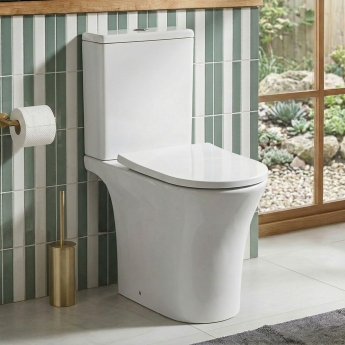
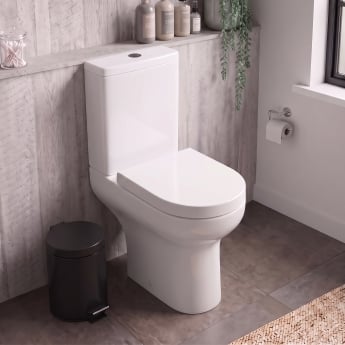
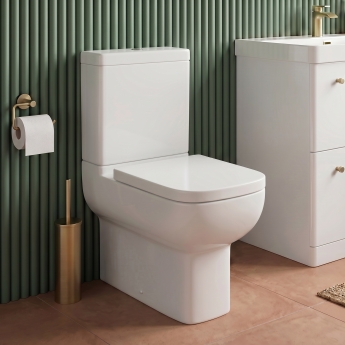
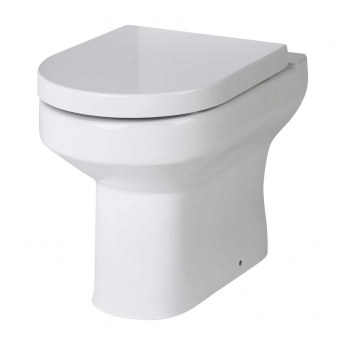



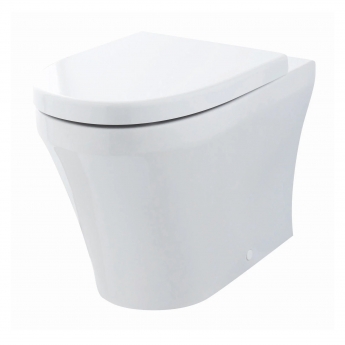
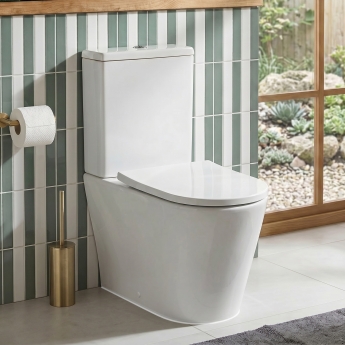
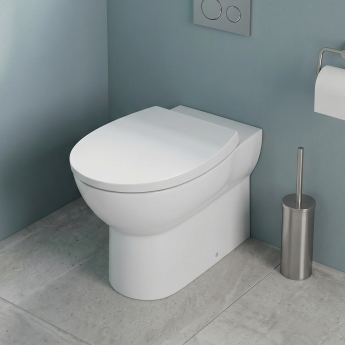
You are viewing 36 of 650 products
From space-saving short projection pans to timeless traditional styles, here's a quick overview of the main types we stock – and which bathroom they suit best.
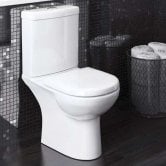
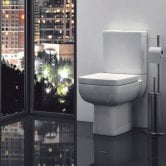
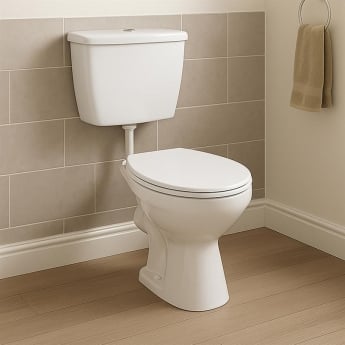
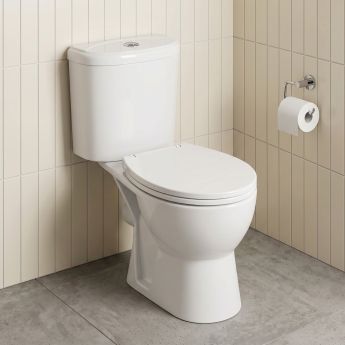
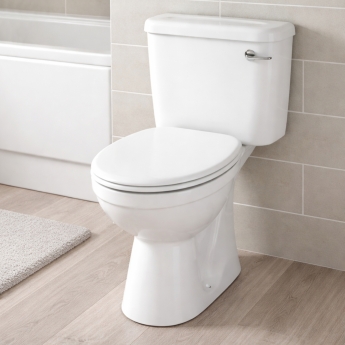
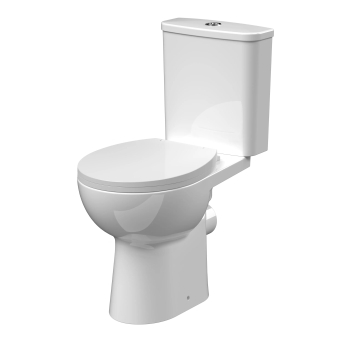
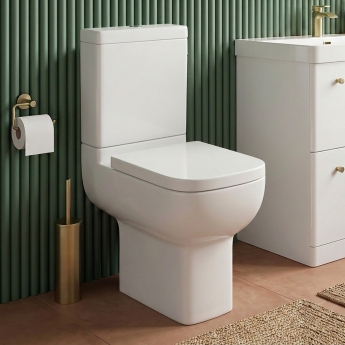
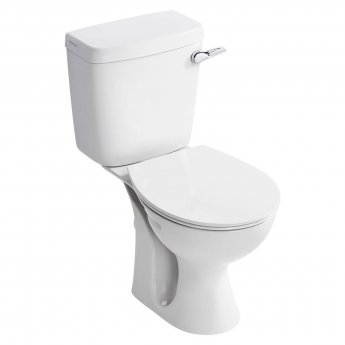
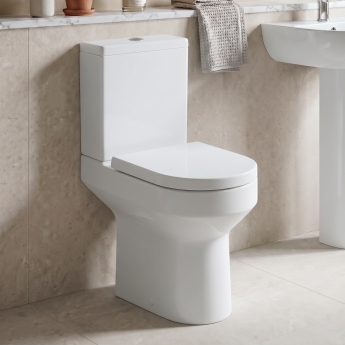
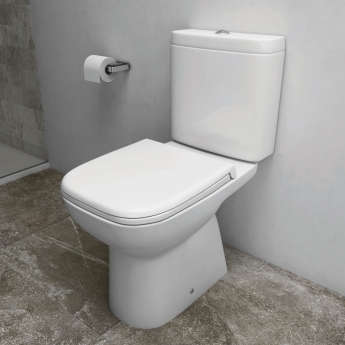
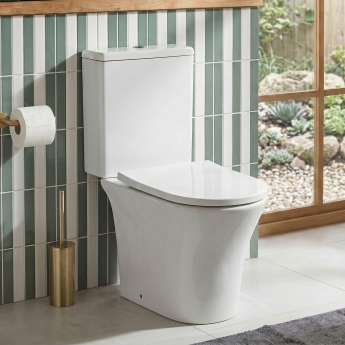
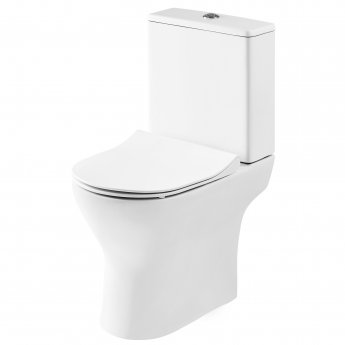
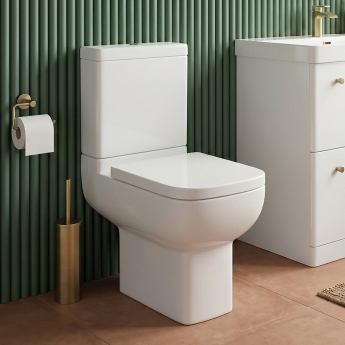
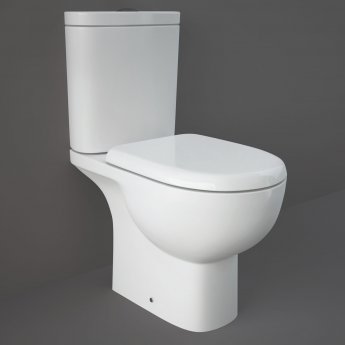
Pan and cistern sit together as a single unit. Easy to install and widely available in both modern and traditional styles, this is the dependable, go-to choice for most UK bathrooms.
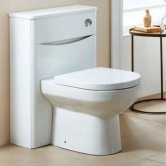
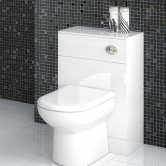
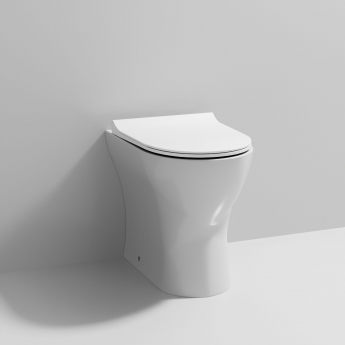
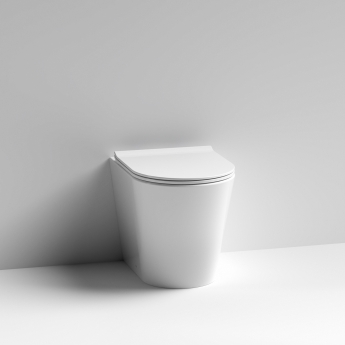
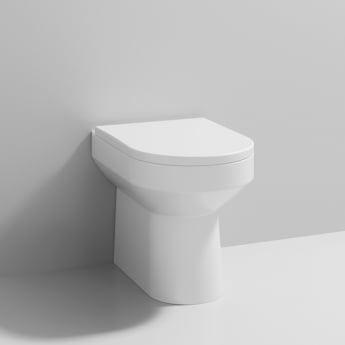
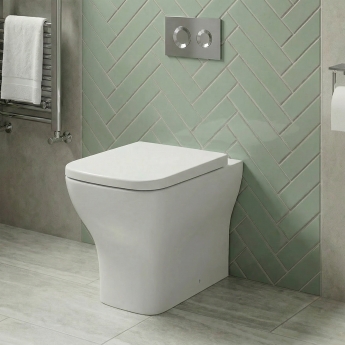
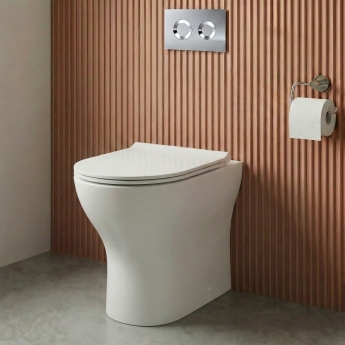
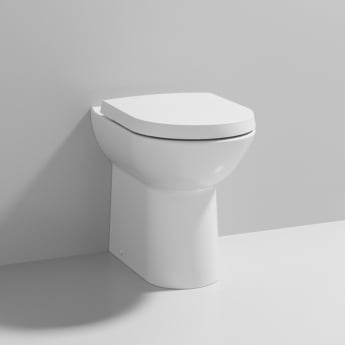
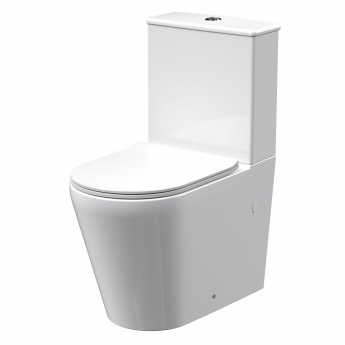
The pan sits flush against the wall, with the cistern neatly concealed inside a WC unit, furniture, or the wall itself. Offers cleaner lines, easier cleaning, and a seamless contemporary look.
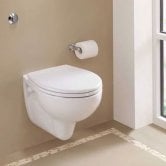
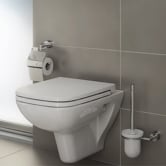
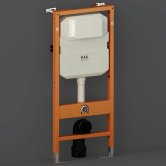
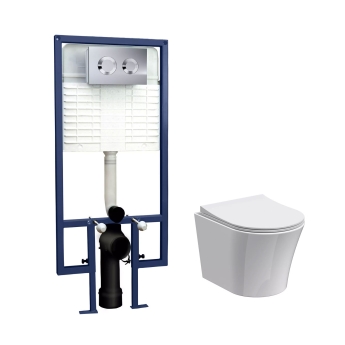
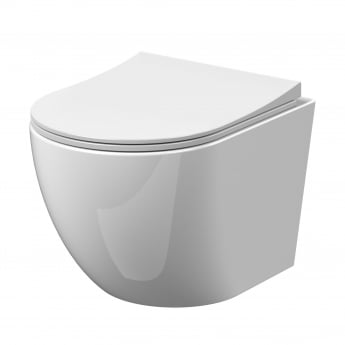
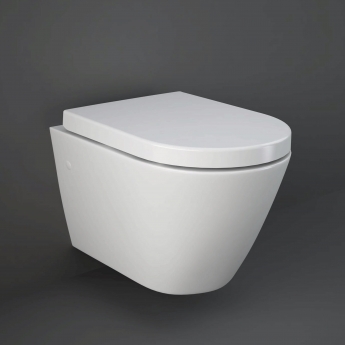
Fixed directly to the wall with no floor contact, creating a sleek, floating appearance. With the cistern and frame fully concealed, it maximises floor space and makes cleaning effortless.
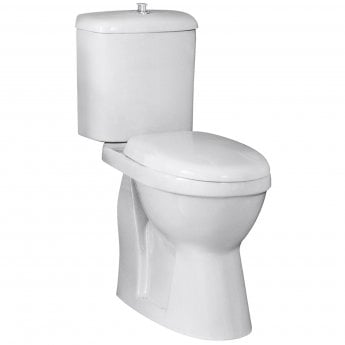
Features a raised seat height of around 450–480mm—closer to a standard chair. Easier to sit on and stand up from, making it the ideal choice for taller individuals, older users, or anyone with reduced mobility.
Projects 600mm or less from the wall to the front of the pan. The smart, space-saving choice for smaller bathrooms, en-suites, and cloakrooms where every centimetre matters.
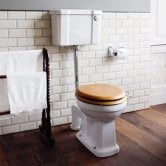
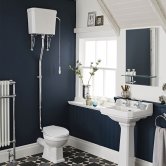
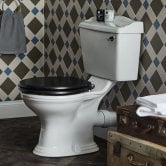
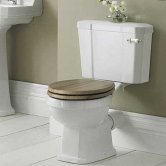
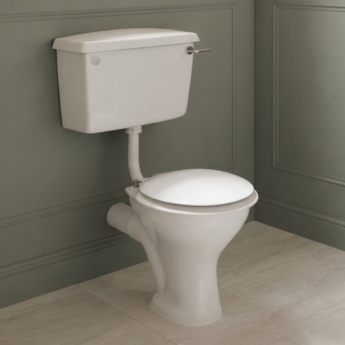
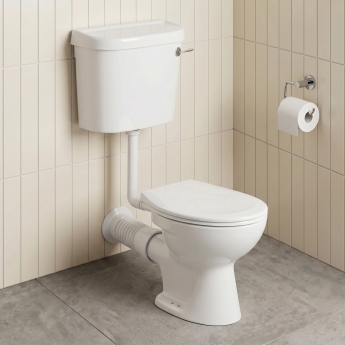
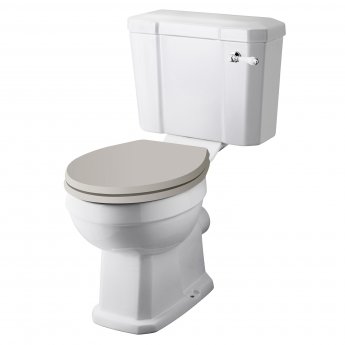
Includes high-level, low-level, and Victorian-inspired styles, often featuring classic pull-chain cisterns. Perfect for period properties or any bathroom where timeless design takes centre stage.
The main difference is floor contact. Back to wall toilets sit on the floor and fit flush against the wall, with the cistern hidden in a WC unit or inside the wall cavity. Wall hung toilets are fixed to a concealed frame in the wall and do not touch the floor. This gives a floating look and makes the floor easier to clean, but they require a sturdy wall structure to support the frame and the combined weight of the pan and user.
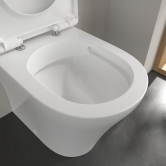
It means there is no inner rim around the inside of the bowl. This removes the hidden area where dirt, bacteria, and limescale typically accumulate. Without the rim, the entire bowl surface is exposed, making it easier to clean in one motion and improving overall hygiene.
You need a "short projection" toilet. This means it measures 600mm or less from the wall to the front of the pan. Standard toilets typically project between 650mm and 750mm, which can restrict movement in a compact space. Width is fairly consistent across most toilets at 350mm to 360mm, making projection the key dimension to check.
No. Back to wall toilets require a concealed cistern, but a WC furniture unit is only one option. You can either house the cistern inside a compatible WC unit, or build it directly into a stud partition wall that is plastered and tiled over. If choosing a furniture unit, verify that the pan and unit are compatible before purchasing.
It is a toilet with a taller pan. The seat height typically ranges from 450mm to 480mm, compared to around 400mm on a standard toilet. This elevated height is closer to a standard chair, making sitting down and standing up easier for taller individuals, older users, or those with restricted mobility.
It depends on your current waste pipe. Most modern UK toilets use a horizontal outlet (P-trap) that connects to a soil pipe running through the wall behind the toilet. However, some older properties feature a bottom outlet (S-trap) that discharges directly into the floor. Always check your existing waste pipe location before buying. If the alignment is slightly off, a plumber can usually bridge the gap using a flexible pan connector.
Yes, if it is a simple like for like swap. Disconnecting the water supply and fitting a new pan to an existing waste pipe is achievable for a competent DIYer. However, a qualified plumber should be used if you are moving the waste connection, modifying pipework, or installing a wall hung toilet. Wall hung frames must be professionally secured to safely carry the weight.
Not always. Some toilets include a soft close seat as standard, while others are sold as the pan only. The product listing will specifically state whether a seat is included. If it is not, a compatible seat will need to be purchased separately.
One of the longest serving companies in the bathroom and heating sector
A huge selection of products for your home from the biggest brands
We constantly check our prices to ensure you get the best deal
We have an expert sales team with years of experience in the industry

By signing up I agree to receive HeatandPlumb.com emails and to the privacy policy. I can also unsubscribe at any time