
0
£0.00
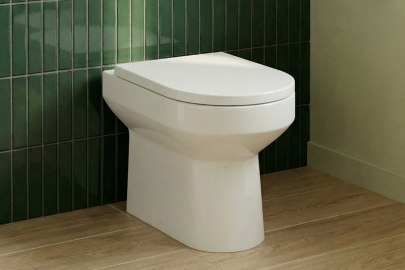
Replacing your toilet is an important step in any bathroom renovation, but finding the right fit requires careful planning. This comprehensive buying guide breaks down everything from toilet types to plumbing setups, helping you choose the ideal fixture with confidence.
| Toilet Type | Choose this if... |
|---|---|
| Close Coupled | You want the easiest installation, standard plumbing, and the best value. |
| Back-to-Wall | You want a minimalist look and are happy to buy a concealed cistern. |
| Wall Hung | You want a premium contemporary finish and are renovating from scratch. |
| Comfort Height | You are over 6ft tall or mobility is a consideration. |
Toilets come in several different styles, each designed to suit specific bathroom layouts and installation requirements. We break down the technical specifications of each type below.
Close coupled toilets represent the most common configuration in modern bathrooms. In this design, the cistern attaches directly to the rear of the toilet pan, creating a single, integrated unit. This configuration minimises the required pipework and simplifies the installation process. Understanding the distinct structural difference between open back and fully enclosed variations is essential before making a selection.
Open back close coupled toilets feature a structural gap at the rear of the ceramic pan. This recess provides clear access to the soil pipe and water inlet connections. The open back design allows for maximum flexibility, as it easily accommodates horizontal, vertical, or angled soil pipe exits, making it ideal if the pipework travels along the skirting board or exits awkwardly.
Conversely, fully enclosed close-coupled toilets sit completely flush against the wall from the top of the cistern down to the floor. The ceramic structure completely hides all pipework. While this creates a seamless exterior that prevents dust accumulation, it severely limits installation flexibility. The soil pipe needs to exit precisely where the pan allows, typically straight into the wall or directly down into the floor within the internal footprint of the pan.
Back to wall toilets maximize floor space by removing the external cistern from view entirely. The ceramic pan sits securely on the floor and pushes completely flat against the bathroom wall or a customized furniture unit. Operating this toilet requires a separate concealed cistern, which is hidden within the wall cavity or inside a dedicated WC furniture unit. A compatible flush plate or button is also necessary. This setup offers a streamlined aesthetic and reduces the physical footprint of the toilet in the bathroom.
Wall hung toilets provide a highly contemporary aesthetic by suspending the ceramic pan entirely off the floor. This floating design creates an illusion of greater floor space and dramatically simplifies floor cleaning. However, they require a more complex installation process. A wall hung toilet requires a separate concealed cistern and a structural steel wall mounting frame. This steel frame is securely bolted to the floor and the structural wall studs to bear the weight of the pan and the user. Avoid attempting to mount a wall hung pan directly to plasterboard or a non-load-bearing wall without the approved structural frame.
Low level toilets utilise a traditional two-piece design where the pan and cistern sit apart. The cistern mounts to the wall a short distance above the pan. A highly polished metal flush pipe connects the two components, facilitating the water transfer during the flush cycle. This style honours Victorian and Edwardian architectural periods while utilising modern flushing technology. The separation requires specific wall planning, as the wall needs to bear the full weight of the water-filled cistern independently from the ceramic pan.
High level toilets deliver the ultimate authentic period aesthetic. The cistern is mounted high up on the wall, near the ceiling, and connects to the floor-standing pan via an extended vertical flush pipe. A traditional pull chain system operates the flush mechanism. Because the cistern sits so high, gravity significantly increases the flush pressure. Verify the structural integrity of the wall before selecting this option, as a full high level cistern carries substantial weight. Furthermore, measure the ceiling height to ensure adequate clearance for the cistern mounting brackets.
When outfitting a compact en-suite or a restrictive under-stairs cloakroom, standard toilet dimensions often create spatial conflicts. Short projection toilets solve this specific architectural problem. Short projection toilets are specifically designed for smaller bathrooms where every millimetre counts. Specifically, short projection toilets measure under 600mm from the wall to the absolute front rim of the pan. Standard pans typically measure between 620mm and 680mm in depth. By shaving off those crucial millimetres, short projection toilets increase the vital clearance space in front of the bowl. This modification ensures users can open the bathroom door fully and manoeuvre comfortably within tight square footage without compromising the internal bowl capacity or flushing performance.
For a full breakdown of height, width and projection across every toilet type, see our standard toilet dimensions guide.
Standard toilet pans measure approximately 400mm from the floor to the rim. While suitable for average heights, this measurement causes excessive knee bend for taller individuals or those with restricted joint mobility. Comfort height toilets address this ergonomic deficit by extending the vertical measurement of the pan. Comfort height toilets are typically between 440mm and 480mm high from floor to rim. When adding a standard seat, the final sitting height roughly matches that of a standard dining chair. This elevated profile significantly reduces the physical strain required to sit down and stand up, making comfort height toilets a pragmatic choice for accessible bathroom designs or households with taller users.
Before finalizing any toilet purchase, a visual inspection of the existing plumbing is highly recommended. The soil pipe, the large diameter pipe that carries waste away from the toilet, dictates exactly which toilet models will fit your bathroom. Failing to check the soil pipe direction can result in incompatible products and costly return shipping fees.
Soil pipes generally follow two main configurations: horizontal and vertical. A horizontal soil pipe exits the back of the toilet and travels directly through the wall behind it. A vertical soil pipe exits the bottom of the toilet and travels directly down into the floorboards. Some properties feature an angled soil pipe that runs along the skirting board.
Selecting a fully enclosed close-coupled toilet or a back-to-wall toilet eliminates the tolerance for irregular pipework. These flush-fitting designs demand precise alignment. If the current soil pipe runs horizontally along the wall exterior, a fully enclosed pan simply will not fit over it. An open back close-coupled toilet is required to bridge that gap. Always consult a qualified plumber to verify the soil pipe trajectory before ordering a fully enclosed or wall-hung system.
When planning a bathroom layout, it's important to leave enough space around the toilet for comfortable everyday use. Professional plumbers recommend leaving a minimum of 500mm of completely clear space in front of the toilet pan to ensure comfortable usage. Additionally, maintain at least 150mm of clearance on either side of the widest part of the ceramic pan. These critical dimensions prevent the user from feeling cramped against walls or vanity units. If the bathroom footprint struggles to accommodate these clearances, actively pivot the design strategy toward the short projection toilets detailed earlier in this guide. Ignoring these spatial regulations compromises the final functionality of the bathroom installation.
Modern environmental regulations heavily influence toilet engineering. When selecting a fixture, evaluate the flush mechanism to ensure long-term water efficiency and utility savings. Dual flush systems dominate the current market. These mechanisms utilise a split button or paddle, allowing the user to select a reduced flush volume for liquid waste and a full flush volume for solid waste. Standard dual flush cisterns output 3 litres on the short flush and 6 litres on the full flush.
Furthermore, rimless technology represents a significant engineering advancement in toilet hygiene. Traditional toilet bowls feature an overhanging ceramic rim that distributes water during the flush cycle. This enclosed rim frequently harbours bacteria and limescale accumulation. Rimless toilets eliminate this overhang entirely. The flush mechanism propels water in a powerful, horizontal circular motion around the smooth upper edge of the bowl. This action cleans the entire internal surface area more efficiently and allows users to wipe down the bowl with a single motion.
The toilet seat plays a critical role in user experience and product longevity. Manufacturers construct toilet seats primarily from two materials: thermoset plastic and moulded wood. Thermoset plastic offers superior durability, high scratch resistance, and an anti-bacterial surface. Moulded wood seats provide a heavier, warmer feel but require careful maintenance to prevent moisture ingress at the hinges.
Specifying the hinge mechanism is also important. Soft close hinges utilise hydraulic dampers to lower the seat and cover slowly and silently. This prevents impact damage to the ceramic rim and eliminates sudden noises. Quick release hinges allow the detachment of the entire seat from the pan with a single button press. This feature provides unimpeded access to the hinge area for thorough cleaning and sanitation.
Most quality toilets are made from vitreous china. This specific ceramic production method involves coating the clay body with a specialized enamel glaze before firing it in a kiln at extremely high temperatures. The extreme heat fuses the glaze to the clay, creating a completely non-porous, highly dense surface. This vitrification process prevents the toilet pan from absorbing water and repels stains and mineral deposits. When reviewing product specifications, verify the use of genuine vitreous china to guarantee the long-term structural integrity and sanitary performance of the new toilet.
By now you will know which toilet type best suits your bathroom, whether that's a close coupled model for straightforward installation, a wall hung toilet for a contemporary look, or a short projection design for a compact space.
Visit our main Toilets category page to secure the right one for your plumbing setup.

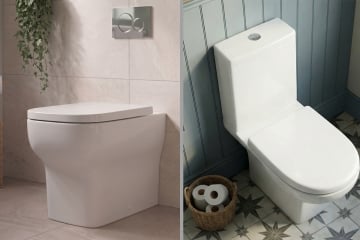
Learn how cable and pneumatic toilet flush buttons work, how to identify your mechanism and what to check before buying a replacement.
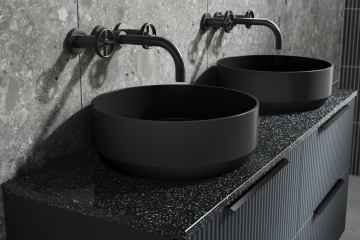
Selecting a basin for a vanity unit requires careful consideration of physical compatibility and plumbing clearances, not just aesthetic appeal. Ensuring the dimensions, mounting style, tap placement, and waste configuration align will prevent installation issues.
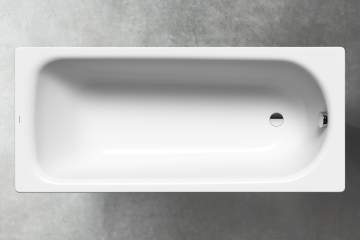
A common reason buyers hesitate over steel baths is the fear that the water will go cold quickly, or that the surface will chip if something is dropped on it. In practice, modern enamelled steel behaves differently from acrylic and has some useful advantages, particularly where rigidity and durability matter.

By signing up I agree to receive HeatandPlumb.com emails and to the privacy policy. I can also unsubscribe at any time