
0
£0.00
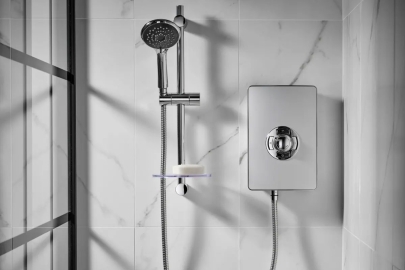
Running costs for an electric shower depend directly on its kilowatt (kW) rating and the current price of electricity. Higher-rated units heat water faster to provide better flow rates, but they inevitably draw more power to do so.
The underlying calculation remains straightforward across all models. An electric shower uses its kW rating in kilowatt-hours (kWh) if run continuously for exactly 60 minutes. Dividing that hourly cost gives a clear picture of what a standard daily shower adds to household bills.
To illustrate the principle, the calculations below assume an electricity price of 25p per kWh. This is a worked example only - actual rates change under Ofgem's price cap review every three months, so check your own tariff or supplier's current unit rate before comparing costs.
While higher kW showers cost slightly more to run, they generally provide stronger flow rates during colder months because they can heat more water at once. During winter, mains water entering the property drops significantly in temperature.
Lower-rated models compensate for this colder incoming water by restricting the flow, allowing the heating element enough time to reach a comfortable temperature. Choosing a 9.5kW or 10.5kW model reduces this restriction, keeping the water pressure stronger when outside temperatures drop.
Many homeowners assume replacing an 8.5kW shower with a 10.5kW model will automatically improve performance without considering how an electric shower works. Higher-rated showers draw significantly more current and frequently require targeted electrical upgrades to operate safely.
Upgrading an existing circuit for a more powerful shower frequently requires:
Electrical suitability depends on cable size, the length of the cable run, the installation method and overall circuit design. The existing installation should always be assessed by a qualified electrician before buying an upgraded shower, as the cost of rewiring often outweighs the initial purchase price of the unit itself.

Learn how high to hang a bathroom mirror, choose the right wall fixings and install it safely, with advice for illuminated mirrors.
Learn about shower tray waste types, sizes, traps and flow rates, with practical advice on choosing a compatible replacement.
Yellow stains in a toilet bowl are normally caused by a buildup of hard water limescale and urine scale. Learn how to remove yellow limescale and prevent it returning
By signing up I agree to receive HeatandPlumb.com emails and to the privacy policy. I can also unsubscribe at any time