
0
£0.00
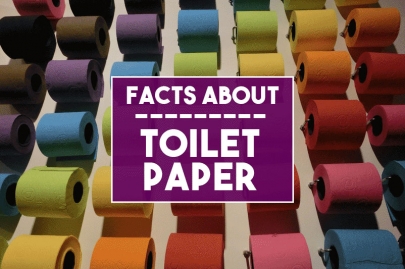
You probably don't spend a lot of time thinking about toilet paper but it's an essential necessity of modern daily life. Toilet paper has existed in one form or another for centuries and has improved the personal hygiene of countless people around the globe. Even today, however, the vast majority of the world's population doesn't use toilet roll, with estimates stating that between 70 and 75% of people either don't have access to, or choose not to use, toilet paper. This can be because of a lack of trees, insufficient funds or the belief that toilet paper is a luxury item and not worth buying. For those people who do have access to toilet paper, it can be taken for granted at times, despite how important a role it plays in our lives. You might be surprised by how many interesting facts about toilet paper there are, so we've gathered some of the more important and unusual tidbits in this article.

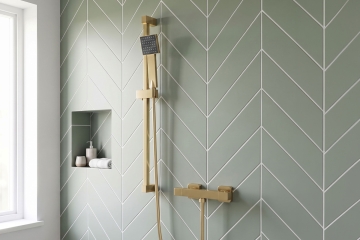
The August heatwave pushed UK temperatures to 38.1°C at Kew Gardens on 13 August. This brutal spike marked the fifth official heatwave of a relentless summer. After England recorded its driest July since 1836, official figures confirmed 71.3% of the country fell into drought status. Today, 45 million people reside in drought zones, while over 27 million must follow strict hosepipe bans and water restrictions. This national climate shift puts severe pressure on residential water systems. British families now face a difficult choice: stay cool or conserve water.
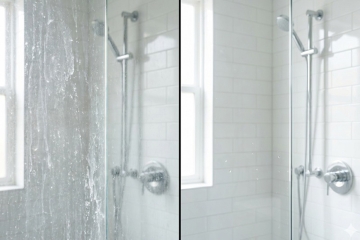
That cloudy white haze covering your shower glass isn't dirt, grime, or evidence of inadequate cleaning. It's limestone, deposited molecule by molecule through thousands of shower cycles, now bonded to the glass with chemistry that laughs at your spray bottle. Standard bathroom cleaners target soap scum and body oils; hard water deposits are minerals requiring completely different chemistry. You can scrub until your arm aches - the stains aren't budging through force alone. Here's what actually works.
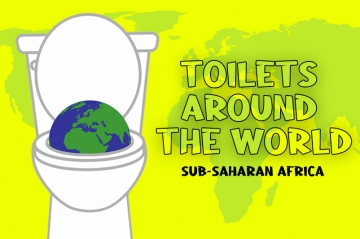
Sometimes the inventions which have had most impact on our everyday lives are the ones which we take the most for granted. Where would we be without the wheel, writing or even the internet? Another invention which we take for granted is the access to toilets and sewerage system, and it's not until you visit other countries which don't come up to Western European standards that you realise just how fortunate we are.
By signing up I agree to receive HeatandPlumb.com emails and to the privacy policy. I can also unsubscribe at any time