
0
£0.00
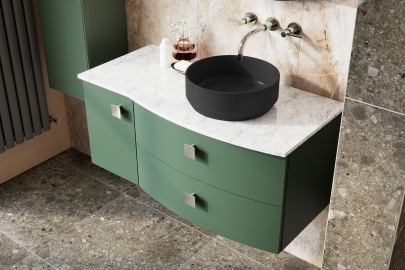
Bathroom vanities take constant punishment from water, humidity, cosmetics, and cleaning products. Proper maintenance can extend their lifespan dramatically - but neglect leads to premature failure even with quality units.
Most maintenance is straightforward and takes minimal time, but it needs doing regularly rather than waiting until problems develop. Here's what we at Heat & Plumb recommend to keep your vanity looking good and functioning properly for years.
The single most effective maintenance task is wiping up water immediately rather than letting it sit on surfaces, particularly around taps and basin edges where water accumulates constantly.
Standing water finds its way into joints, seams, and edge sealing over time, causing damage that's invisible until it's severe. Wood swells, laminate delaminates, and metal corrodes from prolonged moisture exposure that simple wiping prevents completely.
Use a soft cloth or microfibre towel kept near the sink specifically for this purpose. Make it habitual after washing hands or brushing teeth - thirty seconds of wiping saves hours of repair work later. This matters particularly with engineered wood or laminate units where water penetration causes irreversible damage.
Don't use the same towel you dry your hands on for wiping surfaces - hand towels accumulate bacteria and dirt that can transfer to vanity surfaces. Keep a dedicated cleaning cloth that gets washed weekly alongside your bathroom towels.
Once weekly, clean your vanity thoroughly with appropriate products that won't damage the finish whilst removing accumulated soap scum, toothpaste, and cosmetic residue.
Use pH-neutral bathroom cleaners rather than harsh chemicals that can damage protective finishes on wood or corrode hardware. Spray cleaner on surfaces, let it sit briefly to break down residue, then wipe clean with a damp cloth followed by drying with a clean towel.
Pay attention to areas around the basin edge, tap bases, and drawer handles where grime accumulates. These spots often get missed during daily wiping but harbour bacteria and look increasingly grimy without regular attention.
Clean drawer and cupboard interiors monthly, removing stored items and wiping down internal surfaces. Bathroom products leak, spill, and leave residue that creates sticky messes if left unaddressed for months.
Solid wood vanities need periodic resealing or oiling to maintain the protective barrier that prevents moisture damage, typically every 6-12 months depending on usage and humidity levels.
For oiled finishes, apply appropriate furniture oil following manufacturer instructions - usually applying thin coats, letting them penetrate, then buffing off excess. This feeds the wood whilst maintaining water resistance.
Lacquered or varnished wood needs inspection for finish degradation. Small chips or worn areas should be touched up promptly before water penetrates underneath. Keep touch-up products from your original purchase or source matching products from the manufacturer.
Avoid placing hot hair tools directly on wood surfaces as heat damages protective finishes and can scorch wood underneath. Use heat-resistant mats or stands for straighteners, curling irons, and hairdryers.
Door hinges, drawer runners, and handles need occasional attention to maintain smooth operation and prevent premature failure from wear and corrosion.
Lubricate hinges annually with silicone spray or light oil, working the doors back and forth to distribute lubricant throughout the mechanism. This prevents squeaking whilst reducing wear that eventually causes hinges to loosen or fail.
Check mounting screws on handles and hinges every few months, tightening any that have loosened from vibration and use. Loose hardware stresses mounting points and can damage door and drawer fronts if allowed to worsen.
Drawer runners benefit from occasional cleaning and lubrication. Remove drawers completely, wipe runners clean of accumulated dust and debris, then apply appropriate lubricant depending on runner type - silicone spray for metal runners, furniture wax for wooden runners.
The silicone seal where your vanity meets the wall and around the basin prevents water penetrating into joints and causing hidden damage that's expensive to repair once discovered.
Inspect these seals every few months for cracks, gaps, or peeling that indicate deterioration. Early deterioration can be addressed with small repairs before complete resealing becomes necessary.
Mould growth on sealant indicates moisture problems that need addressing beyond just cleaning the mould off. Proper bathroom ventilation prevents mould establishing itself, but once present, it often requires sealant replacement to eliminate completely.
Replace failed sealant promptly rather than letting water penetrate behind the vanity. Water damage to walls and vanity backs costs substantially more to repair than new sealant costs, making proactive replacement worthwhile.
For vanities designed with maintenance simplicity in mind, browse our space-optimising storage for modern homes featuring durable finishes and accessible components.
Certain habits prevent the majority of vanity damage that shortens lifespan and creates repair headaches down the line. Don't lean heavily on countertops or sit on vanity edges - this stresses fixings and can crack countertops or loosen wall mountings over time. Wall-hung units particularly suffer from this abuse.
Avoid using abrasive cleaners or scouring pads that scratch protective finishes on laminates, painted surfaces, or solid surface materials. Once scratched, these surfaces trap dirt and moisture in damaged areas.
Keep bathroom humidity controlled through adequate ventilation. Excessive humidity accelerates deterioration of all materials - wood swells, metal corrodes, and adhesives fail faster in constantly damp conditions.
Use coasters or trays under products that might leak - nail polish remover, hair dye, perfumes, and harsh cosmetics can permanently stain or damage vanity surfaces if spilled directly. We'd also recommend that you look into organising bathroom storage if you use a lot of abrasive products.
Despite best efforts, water damage sometimes occurs and needs addressing before it worsens into serious structural problems requiring replacement rather than repair.
Swollen edges on engineered wood or laminate units indicate water penetration that's already causing damage. Stop further water exposure to that area immediately and assess whether the swelling is minor (potentially repairable) or severe (requires replacement).
Peeling laminate or veneer needs regluing promptly before larger sections detach. Contact adhesive or wood glue can reattach small areas if addressed early, but extensive peeling usually indicates moisture damage too severe for simple repairs.
Rust spots on metal hardware should be addressed immediately as surface rust spreads rapidly in humid bathroom environments. Replace corroded hardware rather than trying to clean it - the corrosion indicates the protective finish has failed.
At Heat and Plumb, we stock vanity units built with realistic bathroom conditions in mind rather than furniture-quality pieces that happen to include a sink. After 20+ years watching which units actually survive bathroom environments and which fail prematurely, we're selective about what makes our catalogue.
Free delivery to most of the UK means you're getting bathroom-specific vanities without paying premium shipping on bulky furniture items. Our manufacturer relationships focus on suppliers who use proper moisture-resistant materials and finishes rather than just attractive designs.
What distinguishes us is providing honest maintenance guidance that keeps your vanity functioning long-term rather than just making the sale and moving on. We'd rather you maintain a £500 unit successfully for 15 years than buy a £300 unit that needs replacing after five because we didn't mention the care requirements.

Inspect sealant annually and replace every 2-3 years as preventative maintenance, or immediately when you notice deterioration like cracking, gaps, or persistent mould that cleaning doesn't eliminate.
Diluted bleach works safely on most surfaces for mould removal, but avoid undiluted bleach or prolonged contact that can damage finishes, particularly on painted or lacquered wood.
Moisture penetration through inadequately sealed edges or damaged finishes causes wood and engineered materials to absorb water unevenly, creating warping that prevents proper door closure.
Light water marks on wood often respond to gentle rubbing with fine steel wool and furniture polish, or a paste of baking soda and water applied gently then buffed off.
Follow the manufacturer's recommendations for your specific finish type. Oiled finishes need periodic oil application, whilst lacquered or painted finishes shouldn't be oiled as it creates sticky residue without penetrating the sealed surface.
Avoid overloading drawers beyond their designed capacity - excessive weight stresses drawer construction and causes bottom panels to sag or detach from the frame.
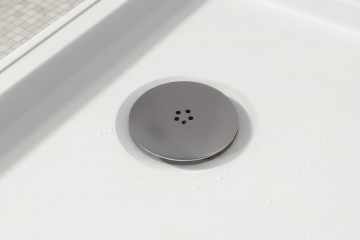
Learn about shower tray waste types, sizes, traps and flow rates, with practical advice on choosing a compatible replacement.
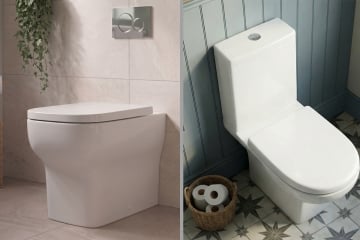
Learn how cable and pneumatic toilet flush buttons work, how to identify your mechanism and what to check before buying a replacement.
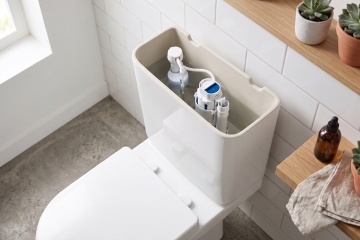
If your toilet will not flush properly, the cause is usually either inside the cistern, around the flush mechanism or further along the waste pipe. The key is to work out whether the flush is weak, not working at all, or backing up into the pan.

By signing up I agree to receive HeatandPlumb.com emails and to the privacy policy. I can also unsubscribe at any time