
0
£0.00

Ant is a digital marketing specialist and bathroom content creator with over a decade of experience in the industry. He has written on wide-ranging topics within the heating and plumbing sectors with hundreds of published articles for leading online retailers.
Learn about shower tray waste types, sizes, traps and flow rates, with practical advice on choosing a compatible replacement.
What temperature should your home be? Find out how a cold house may affect your health, who is most at risk and when to put the heating on.
Learn how cable and pneumatic toilet flush buttons work, how to identify your mechanism and what to check before buying a replacement.
The amount of energy your home needs will depend on the property, the heating system, how well the house holds heat and how often each room is being used. A heating schedule that works for one household might be completely wrong for another.
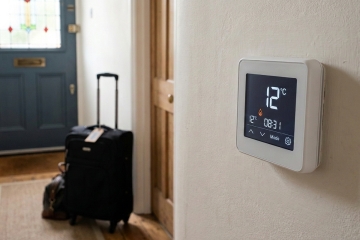
If you're going away during colder weather, leave the heating system powered and turn the thermostat down rather than switching the boiler off completely.
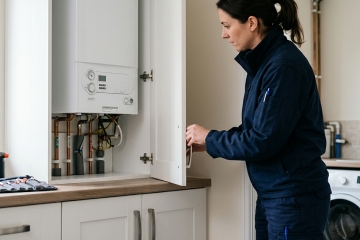
Heating systems sit idle or run on reduced settings throughout the summer. Switching the boiler back on for daily use in November can expose seized valves, trapped air, and pressure faults that developed unnoticed over the warmer months. Running a few simple checks in early autumn provides time to resolve faults before you rely heavily on the system.
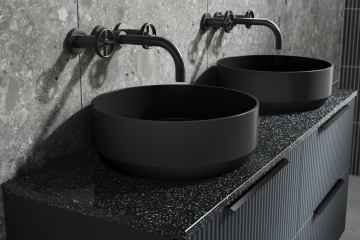
Selecting a basin for a vanity unit requires careful consideration of physical compatibility and plumbing clearances, not just aesthetic appeal. Ensuring the dimensions, mounting style, tap placement, and waste configuration align will prevent installation issues.
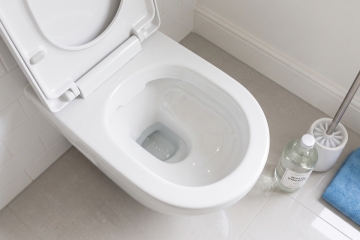
Yellow stains in a toilet bowl are normally caused by a buildup of hard water limescale and urine scale. Learn how to remove yellow limescale and prevent it returning
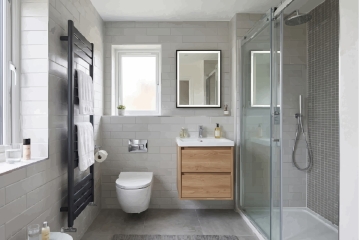
A small bathroom does not automatically require expensive fittings or extensive building work. Good planning makes a surprisingly compact room highly workable. Look honestly at what the space can actually take before choosing fittings, and you avoid costly mistakes later.

By signing up I agree to receive HeatandPlumb.com emails and to the privacy policy. I can also unsubscribe at any time