
0
£0.00
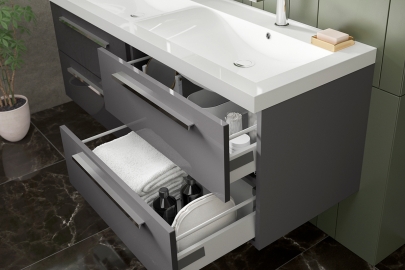
Vanity units take constant abuse from water, humidity, cleaning products, and daily wear. Choose the wrong material and you're replacing it within five years, whilst the right choice lasts decades.
Material matters far more than style when it comes to longevity. So if you want to know what actually holds up in real bathroom conditions and what fails prematurely, dive into our vanity unit materials guide and let's find out.
Properly treated solid wood creates genuinely beautiful vanity units that age gracefully and last 20+ years when maintained correctly. Oak, walnut, and teak are particularly durable, resisting moisture damage better than softer woods.
The key is proper sealing and finishing. Unsealed or poorly finished wood absorbs moisture, swells, warps, and eventually rots in bathroom humidity. Quality manufacturers apply multiple coats of water-resistant lacquer or oil that penetrates deep into the wood grain, creating effective barriers against moisture infiltration.
Solid wood costs significantly more than alternatives - expect £500-1500+ for quality units versus £200-400 for manufactured board options. You're paying for genuine material quality and craftsmanship that translates directly into longevity. Cheaper solid wood units using poor quality timber or inadequate finishing fail surprisingly quickly despite being "real wood."
Maintenance requirements are higher with solid wood. Annual resealing or oil treatment keeps the protective barrier intact, and you need to wipe up water promptly rather than letting it sit. Neglect the maintenance and even expensive hardwood deteriorates faster than well-maintained engineered materials.
High-quality moisture-resistant MDF and plywood offer excellent durability at more accessible prices when manufactured specifically for bathroom use with proper water-resistant treatments and sealing.
Standard MDF from furniture stores absolutely does not work in bathrooms - it absorbs water like a sponge, swells irreversibly, and disintegrates within months of exposure to bathroom humidity. Bathroom-grade MDF has water-resistant additives and sealed edges that prevent moisture penetration.
Marine-grade plywood provides superior moisture resistance compared to standard plywood through waterproof adhesives bonding the layers. It handles occasional water exposure well and resists warping better than MDF, making it preferable for bathroom applications despite slightly higher cost.
Quality engineered wood units typically last 10-15 years with reasonable care. They're substantially cheaper than solid wood - £300-600 for decent units - whilst delivering adequate performance for most households. The trade-off is less prestige and more vulnerability to damage if water penetrates the sealed surfaces.
Check edge sealing carefully when buying engineered wood units. Exposed unsealed edges around door and drawer openings allow moisture infiltration that destroys the unit from inside out. Quality manufacturers seal all edges completely including internal surfaces.
This represents the budget end of vanity materials, and whilst it can work adequately for 5-8 years, it's fundamentally compromised material for wet environments regardless of how good the laminate surface appears.
Chipboard cores are extremely vulnerable to moisture. Once water penetrates through damaged laminate or unsealed edges, the chipboard swells catastrophically and doesn't recover. You'll see bubbling, delamination, and structural failure that can't be repaired effectively.
The laminate surface itself often performs well - modern laminates resist scratching, staining, and daily wear impressively. The problem is underneath, where cheap chipboard can't handle bathroom conditions once the protective laminate develops any damage.
Extremely budget-conscious buyers might accept a 5-7 year lifespan knowing they'll replace the unit relatively soon. For anyone planning to keep their bathroom longer-term, spending slightly more on proper moisture-resistant materials delivers better value through extended lifespan.
Solid surface materials like Corian or similar acrylic-based composites create remarkably durable vanity countertops and integrated units that resist moisture damage completely whilst offering seamless contemporary aesthetics.
These materials are non-porous, meaning water cannot penetrate the surface at all. Scratches and damage can be sanded out and polished back to original condition, making them genuinely repairable rather than requiring replacement when damaged.
The cost reflects the quality - solid surface vanity tops start around £500-800 for basic sizes, climbing rapidly for larger or more complex configurations. Integrated basin and countertop units easily exceed £1000-2000, placing them firmly in the premium category.
Longevity justifies the investment for many buyers. Solid surface installations regularly last 20-30 years looking essentially new if maintained properly. The material itself doesn't degrade, stain, or deteriorate from water exposure, eliminating the most common failure modes of cheaper materials.
Installation requires professionals as the material needs precise cutting, shaping, and bonding. This adds labour costs but ensures proper performance and appearance that DIY installation rarely achieves with these premium materials.
Less common in residential bathrooms but genuinely indestructible, stainless steel and powder-coated metal vanity units offer maximum durability in challenging conditions, particularly for commercial or heavy-use residential applications.
Stainless steel is completely impervious to water, doesn't rust (assuming proper grade steel), and handles cleaning products without damage. The industrial aesthetic doesn't suit traditional bathrooms but works brilliantly in contemporary or minimalist spaces.
Powder-coated steel or aluminium frames with other materials for countertops combine metal durability for structural components with more attractive surface materials. This hybrid approach delivers excellent longevity - the metal structure lasts indefinitely whilst surface materials can be replaced if needed.
Cost varies enormously depending on finish quality and design complexity. Basic stainless units might cost £400-700, whilst custom designs with premium finishes easily exceed £2000. You're paying for materials that genuinely last 30+ years without degradation.
The main drawback is aesthetics - metal vanities suit specific design styles and can feel cold or institutional in traditional bathroom settings. They're also noisy, with metallic sounds when opening drawers or placing items on surfaces.
Ready to browse durable materials? Take a look at our stylish cabinetry options for bathrooms and take the first step towards upgrading your space today.
At Heat and Plumb, we're selective about which vanity units we stock because we've watched too many budget units fail within years. Our range focuses on bathroom-grade materials that actually survive moisture exposure rather than just furniture-quality products dressed up for bathrooms.
Free delivery across most of the UK applies whether you're ordering a £300 moisture-resistant MDF unit or a £1500 solid wood piece, keeping total costs predictable. Twenty years in business means we've developed relationships with manufacturers who actually understand bathroom-specific requirements rather than just adapting furniture designs.
We'll discuss expected lifespan honestly based on material choices rather than just showing you attractive catalogues. Sometimes spending £200 more upfront saves £500 in premature replacement costs, and we'd rather have that conversation before purchase than hear complaints about failures two years later.

Look for explicit "moisture-resistant" or "bathroom-grade" labelling from the manufacturer. Standard furniture MDF or chipboard will never be described this way because it's unsuitable for wet environments regardless of how attractive the finish appears.
Yes, solid wood can be sanded back and refinished multiple times over its lifetime, extending lifespan considerably beyond other materials. This adaptability means even moderately damaged solid wood often repairs successfully rather than requiring replacement.
Countertops should be minimum 18mm thick for adequate strength, ideally 20-25mm for premium feel and durability. Door and drawer fronts work adequately at 16-18mm thickness for most materials.
Quality painted finishes on properly sealed wood or MDF last well if the preparation and application are done correctly. Multiple coats of moisture-resistant paint over sealed substrate create durable surfaces.
Gloss finishes generally resist moisture and cleaning better than matt finishes because the smooth surface doesn't allow water or dirt to penetrate texture. However, they show water spots and fingerprints more readily.
Heavier basin materials like stone or ceramic need adequately strong vanity construction to support the weight long-term without sagging. Lightweight acrylic basins work fine on any vanity construction.
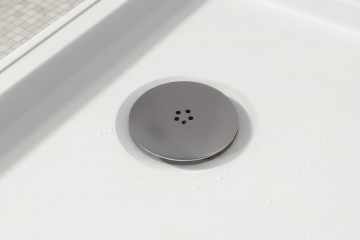
Learn about shower tray waste types, sizes, traps and flow rates, with practical advice on choosing a compatible replacement.
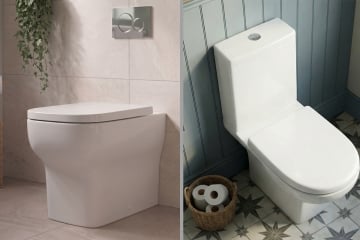
Learn how cable and pneumatic toilet flush buttons work, how to identify your mechanism and what to check before buying a replacement.
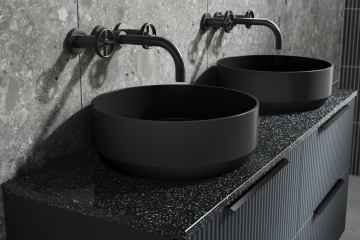
Selecting a basin for a vanity unit requires careful consideration of physical compatibility and plumbing clearances, not just aesthetic appeal. Ensuring the dimensions, mounting style, tap placement, and waste configuration align will prevent installation issues.

By signing up I agree to receive HeatandPlumb.com emails and to the privacy policy. I can also unsubscribe at any time