
0
£0.00
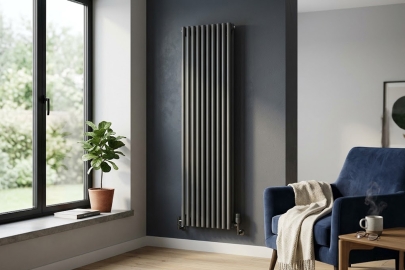
Choosing designer radiators based purely on appearance creates expensive mistakes when stunning radiators fail to heat rooms adequately or clash with existing decor once installed.
Matching radiator style, output, and size to your specific rooms requires balancing aesthetic preferences with practical heating requirements. Here's how to select designer radiators that look brilliant whilst actually keeping you warm.
Never choose radiators based on appearance before confirming they'll produce adequate heat for your room. The most beautiful radiator is worthless if it leaves you shivering through winter.
Calculate your room's BTU requirements using standard formulas accounting for room volume, external walls, windows, and insulation quality. This gives you minimum heat output needed regardless of radiator style.
Designer radiators often sacrifice some thermal efficiency for aesthetics - sculptural pieces with gaps or minimal surface area produce less heat than compact standard panels occupying equivalent wall space.
This means you might need a larger designer radiator than the standard panel it's replacing to maintain equivalent heating. Factor this into planning before falling in love with a specific design.
Online BTU calculators simplify the process - input your room dimensions and characteristics, get recommended output figures, then ensure any designer radiator you're considering meets or exceeds those numbers.
Don't assume vertical designer radiators produce equivalent heat to horizontal panels just because they're similar heights. Check manufacturer specifications for actual BTU ratings rather than guessing based on physical size.
Designer radiators should complement your existing interior design rather than fighting against it. A ultra-modern minimalist radiator looks jarring in a Victorian terrace with period features.
Traditional homes with cornicing, picture rails, and classic proportions suit column radiators or vintage-inspired designs that respect the architectural heritage. These come in modern finishes whilst maintaining period-appropriate profiles.
Contemporary spaces with clean lines and neutral palettes work beautifully with minimalist flat panel radiators, geometric designs, or sculptural pieces that enhance the modern aesthetic.
Industrial-style interiors accommodate raw metal finishes, exposed pipework aesthetic radiators, or brushed steel designs that play into the utilitarian design language.
Consider finish colours carefully - matt black radiators create striking focal points in predominantly white spaces but can overwhelm rooms with already dark colour schemes. Brushed brass or copper suits warm neutral palettes whilst potentially clashing with cool greys.
Vertical radiators suit rooms with limited wall width but adequate height - narrow spaces beside windows, alcoves, or walls interrupted by doorways where horizontal panels won't fit.
They're particularly useful in modern open-plan spaces where you want heating without consuming valuable horizontal wall space needed for furniture placement or maintaining clean sightlines.
However, vertical radiators concentrate heat in narrow columns rather than distributing it horizontally. This creates less even room heating compared to horizontal panels spreading warmth across wider areas.
Horizontal designer radiators provide better heat distribution whilst working with conventional room layouts where wall width isn't severely constrained. They suit most situations unless you've got specific space limitations.
Some rooms benefit from mixing both - perhaps vertical radiators in tight spots with horizontal panels on walls offering adequate width for effective heat distribution.
Designer radiators often deviate from standard sizing, requiring careful measurement of available wall space before ordering. Don't assume they'll fit where old radiators lived.
Measure wall width accounting for furniture placement, door swings, and required clearances. Radiators need space around them for air circulation - cramming them into tight spots reduces efficiency.
Height considerations matter particularly for vertical radiators. Ensure adequate clearance from floor (typically 100-150mm) and ceiling (150mm minimum) allowing proper air flow.
Some designer radiators work as room dividers or freestanding features rather than traditional wall-mounted installations. These require different spatial planning accounting for 360-degree visibility and access.
Designer radiators frequently deviate from the standard relationship between size and output that applies to conventional panels. Visual bulk doesn't guarantee thermal performance.
A large sculptural radiator with significant gaps or minimal surface area might produce less heat than a smaller compact standard panel. Always verify BTU ratings rather than assuming bigger means warmer.
Conversely, some designer radiators pack impressive output into compact footprints through clever design maximizing surface area within constrained dimensions.
Check manufacturer specifications carefully, comparing BTU output against your room requirements before making aesthetic judgements. Form follows function when selecting heating equipment.
Designer radiators range from £150 for entry-level pieces to £1500+ for premium brands and complex designs. Establish realistic budgets before browsing to avoid disappointment.
Factor in installation costs which might exceed standard radiator fitting if designer pieces require specialised mounting or positioning. Budget an extra £50-100 for professional installation.
Consider whether entire rooms need designer radiators or if mixing designer pieces in visible locations with standard radiators elsewhere achieves desired aesthetic impact at lower total cost.
Some brands offer excellent design at mid-range prices whilst others charge premiums for prestigious names without proportional quality improvements. Research before assuming price equals quality.
For sizing guidance ensuring your chosen designer radiator produces adequate heat, understanding what BTU means for radiators helps with proper calculation.
Designer radiator selection overwhelms many customers because catalogues showcase hundreds of attractive options without clearly indicating which actually suit specific rooms. We've spent 20+ years helping people navigate this confusion, learning which questions to ask before recommending particular designs.
Our range includes designer radiators across price points and styles because different homes need different solutions. We're not tied to specific brands or pushed towards high-margin products - we stock quality across categories.
The real value comes from our willingness to discuss your actual rooms, existing decor, and heating requirements before suggesting specific radiators. We'll tell you honestly when that stunning vertical radiator won't heat your room adequately or when a £800 designer piece offers minimal advantage over a £300 alternative. That guidance prevents expensive mistakes whilst helping you invest wisely.
Ready to upgrade your heating game? Browse our collection of modern radiators for stylish interiors - because your home deserves the very best.

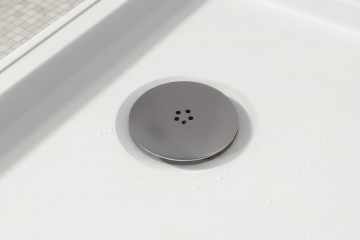
Learn about shower tray waste types, sizes, traps and flow rates, with practical advice on choosing a compatible replacement.
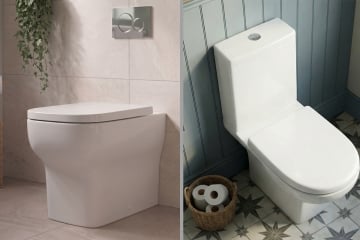
Learn how cable and pneumatic toilet flush buttons work, how to identify your mechanism and what to check before buying a replacement.
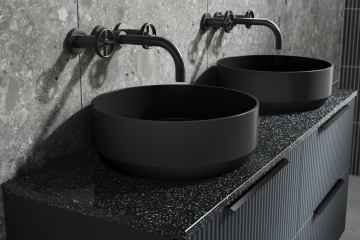
Selecting a basin for a vanity unit requires careful consideration of physical compatibility and plumbing clearances, not just aesthetic appeal. Ensuring the dimensions, mounting style, tap placement, and waste configuration align will prevent installation issues.

By signing up I agree to receive HeatandPlumb.com emails and to the privacy policy. I can also unsubscribe at any time