
0
£0.00
When you're renovating your bathroom, you'll probably spend hours poring over different types of vanity units, a slew of varying paint colours, and enough shower doors to last a lifetime. One rather overlooked aspect - one that often gets decided as a last-minute afterthought - is the basin. And while it might seem like a minor finishing detail, basin choices are weirdly important in ways you don't really appreciate until you've lived with the wrong one for a few years. Get it wrong and you'll be mildly annoyed every single time you wash your hands for the next decade - so it's best not to risk it.
Countertop and inset basins look completely different, function quite differently in daily use, and suit different bathroom styles and practical needs. So here's how to work out which one's actually right for your space.
An inset basin (also called undermount or recessed) sits flush with or below the countertop surface, with the basin edge at the same level as the worktop or slightly lower. This creates a smooth, continuous surface where you can't feel a distinct edge or lip between the counter and the basin.
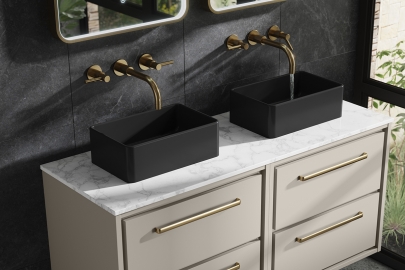
A countertop basin sits proudly on top of the vanity unit surface as a separate, distinct bowl. It's essentially a vessel that rests on the countertop with the basin rim clearly visible and raised above the worktop level, creating a definite step up from counter to basin.
The visual and functional differences are striking once you start paying attention. Inset basins disappear into the counter and look integrated, whilst countertop basins make a deliberate statement as sculptural objects.
Countertop basins take up considerable vertical space because they sit proud of the surface, which reduces the height available underneath for storage or placing bottles and products. If you've got a standard-height vanity unit around 850mm tall, adding a 150mm tall countertop basin on top means the rim sits at 1000mm, which can feel awkwardly high for everyday use.
This especially affects children or shorter adults who end up reaching upward to use the tap and wash their hands comfortably. The raised rim creates an ergonomic compromise that isn't immediately obvious in the showroom but becomes noticeable with daily use.
Inset basins keep everything lower and more accessible because the basin edge sits at countertop level. The tap usually mounts at or just above this height, which feels considerably more natural for most people and works better ergonomically.
Inset basins are absolutely brilliant for cleaning, and this matters more than most people realise when making the initial choice. Spill water whilst washing or brushing teeth? Just wipe it straight into the basin with one smooth motion. The seamless transition from countertop to basin means there's no lip or edge to trap dirt, soap scum, limescale, or standing water.
Countertop basins have that prominent rim where the bowl meets the surface, creating a definite seam all the way around. Water pools there constantly, limescale builds up in the joint, soap residue accumulates, and you need to clean carefully around the entire perimeter of the basin regularly to prevent grime buildup.
It's not terrible or unmanageable, but it's definitely more ongoing maintenance work. That seam between basin and countertop becomes a perpetual cleaning job that needs attention several times weekly in a busy family bathroom.
Countertop basins make a deliberate design statement as feature pieces. They're sculptural objects that demand attention, and you can find them in unusual shapes, bold colours, interesting materials like stone or copper, and distinctive forms that go well beyond standard white ceramic.
They suit contemporary bathrooms beautifully, especially when paired with tall statement mixer taps that complement the raised basin height. The combination looks expensive and hotel-like when done well with quality materials and good proportions.
Inset basins are considerably more understated and subtle. They emphasise the countertop material rather than the basin itself, which works brilliantly if you've invested in gorgeous stone, solid surface, or premium worktop material that deserves to be the star. The basin becomes secondary to the overall surface rather than competing for attention.
Fitting an inset basin means cutting a precise hole in your countertop and ensuring a completely watertight seal underneath where water can't see or access easily. It's genuinely fiddly work that requires accuracy and proper sealing technique.
Most countertops come pre-cut for specific basin sizes if you're buying them together, which helps enormously. But if you're retrofitting an inset basin to existing surfaces or going bespoke with custom sizes, you need someone who knows exactly what they're doing with template-making and cutting.
Countertop basins are substantially easier to install. Drill a hole through the countertop for the waste pipe, apply a generous bead of silicone sealant to the base of the basin, position it carefully, done. There's less that can go wrong, and the visible seal means you can inspect it easily.
Countertop basins, particularly shallow contemporary designs, splash considerably more during use. The basin's raised position combined with limited depth means water hits the bowl surface and bounces outward more readily than with deeper inset basins.
Tall taps make this worse rather than better - the further water falls before hitting the basin, the more energy it has to splash. You frequently end up with water all over the countertop and sometimes pooling on the floor, which gets tiresome quickly in daily use.
Inset basins contain water far better because the basin edge sits level with or below the countertop surface. Splashes naturally stay inside the bowl rather than escaping onto the surrounding surface, keeping things tidier with less mopping required.
Because countertop basins physically occupy space on top of the unit, they consume precious countertop area that could otherwise hold toothbrush holders, soap dispensers, cosmetics, or whatever else you'd normally keep within reach.
You lose that counter area for anything else - the basin sits there permanently, and you're left working around it. In compact bathrooms where counter space is already severely limited, this represents a genuine practical compromise.
Inset basins maximise usable counter area because everything can sit around the basin rather than competing with it for the same surface. The entire countertop remains available for storage and use right up to the basin edge.
Countertop basins range dramatically from cheap cheerful options at £50 through to extremely expensive designer pieces at £500 or considerably more. The basin itself might be affordable, but you're still paying for countertop material and fabrication.
Inset basins also vary wildly in price depending on materials and brand, but installation invariably costs more because it's more involved and time-consuming. The total project cost often ends up higher even when the basin itself costs similar money, because you're paying for that additional labour and precision.
Both types last for many years when they're quality products properly installed. The meaningful difference is in how they age and what happens when you eventually want to change things.
Countertop basins can be swapped out relatively easily without replacing the entire vanity unit. Basin cracks, you fancy a style change, or you just get bored? Lift off the old basin, clean the surface, install a new one, done. The vanity unit continues serving perfectly well.
Inset basins are far more integrated into the countertop structure. Replacing one often means replacing or significantly modifying the entire countertop too because the cutout is specific to that basin size and shape. It's more commitment and less flexibility for future changes.
With countertop basins, your tap usually either sits on the countertop beside the basin or mounts directly on the basin itself if it has tap holes pre-drilled. This gives you various configuration options.
Wall-mounted taps work absolutely brilliantly with countertop basins, creating a really clean minimalist look with the tap emerging from the wall above the bowl without cluttering the counter surface at all.
Inset basins typically have taps mounted either in the countertop surface or directly on the basin rim if it's designed for deck-mounted taps. Wall-mounted taps can work but need very careful positioning to ensure proper reach over the basin.
Countertop basins suit distinctly modern, contemporary, or boutique hotel-style bathrooms where they work as deliberate feature pieces. They're design-forward choices that demand attention and set the tone for the entire space.
They can look jarringly out of place in traditional bathrooms unless you're deliberately going for an eclectic mixing of styles. In a Victorian-style bathroom with period tiles and classic fixtures, a sculptural countertop basin might feel visually jarring and wrong.
Inset basins are considerably more versatile and work across different styles. They suit contemporary bathrooms beautifully, fit traditional setups without problems, and work in transitional styles that blend old and new. They're the safer, more adaptable choice if you're uncertain about style direction.
Countertop basins can prove awkward for face washing or leaning over to wash hair in the basin because that raised rim gets in the way. You're leaning over the basin's edge rather than accessing an open bowl naturally, which changes how comfortably you can use it.
Kids splashing around enthusiastically or vigorous hand-washing sends water everywhere with countertop basins. That raised bowl means considerably less containment, and water escapes onto the counter and floor more readily.
Inset basins feel more practical for actual washing tasks throughout the day. You can lean over them comfortably without obstruction, fill them with water if needed for soaking or washing, and generally they're more functional for genuine use rather than just looking attractive.
If you prioritise visual impact and contemporary style, and you're not particularly worried about a bit of extra cleaning maintenance or occasional splashing, countertop basins look fantastic and make proper design statements.
If practicality, easy maintenance, and maximising usable counter space matter more to you than making a bold aesthetic statement, choose inset basins every time.
Consider who's actually using the bathroom too. Family bathrooms with children who splash enthusiastically? Inset basins make vastly more sense. Ensuite you barely use except for quick hand-washing? Countertop basins look stunning and the practical compromises matter less. In reality, neither option is objectively superior - it's entirely about matching the right solution to your bathroom's specific needs, your aesthetic preferences, and how you actually use the space daily.
At Heat and Plumb, we've watched bathroom trends come and go over two decades. But we've always focused on stocking products that actually work well, rather than just following whatever's fashionable.
Our product collection includes over 30,000 heating and plumbing items, and our units that combine storage and design cover both countertop and inset basin configurations across every style and budget.
Not only that, but we're also proud to offer free delivery to most of the UK ,so we can help keep your costs down as much as possible. And having been in business for 20 years, we know a thing or two about supplier partnerships; that's why we're able to offer our customers better pricing, even on premium well-known brands.
So why wait? Browse our collection and start creating your dream bathroom today - one tiny but important detail at a time.

Inset basins are substantially easier to clean because there's no rim or seam where the basin meets the counter - you just wipe water and mess straight into the basin in one smooth motion. Countertop basins have that prominent rim all around where water pools, limescale builds up, and soap residue accumulates, requiring regular detailed cleaning around the entire perimeter to prevent grime buildup.
Not easily without replacing or significantly modifying the entire countertop. The countertop for a countertop basin just needs a waste hole, whilst an inset basin requires a large precise cutout. You'd essentially need a new countertop fabricated with the correct cutout, making this a major renovation rather than a simple swap. Choose the right basin type initially rather than planning to change later.
Yes, considerably more, especially shallow contemporary countertop basins paired with tall taps. The raised position and limited depth mean water bounces outward more readily, and tall taps increase splash because water falls further before hitting the basin. Inset basins contain splashes better because the rim sits at or below counter level, keeping water inside the bowl naturally.
Inset basins generally work better in compact bathrooms because they maximise usable counter space - you can place items right up to the basin edge. Countertop basins consume precious counter area that could otherwise hold toiletries and essentials. However, a small countertop basin in the right style can work beautifully if you're prioritising aesthetics over maximum storage.
Not necessarily for the basin itself - both types range from budget to premium pricing. However, total installation costs often run higher for inset basins because installation is more complex and time-consuming, requiring precise countertop cutting and careful sealing. Countertop basins are generally simpler and cheaper to install, though premium designer countertop basins can cost considerably more than basic inset options.
This depends on the overall height once the countertop basin is installed. If the basin rim ends up at 1000mm or higher, younger children will struggle to reach comfortably and might need a step stool. Inset basins typically work better for families with children because the basin edge sits at standard counter height, making access easier for different ages and heights.
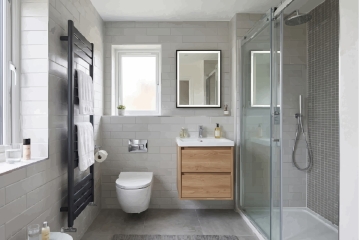
A small bathroom does not automatically require expensive fittings or extensive building work. Good planning makes a surprisingly compact room highly workable. Look honestly at what the space can actually take before choosing fittings, and you avoid costly mistakes later.
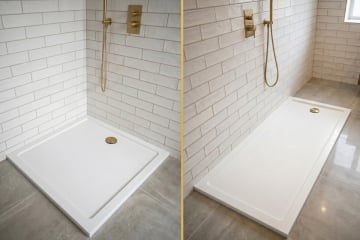
Choosing between square and rectangular shower trays affects your bathroom layout, how much floor space you're committing, and whether the shower feels cramped or comfortable during daily use.
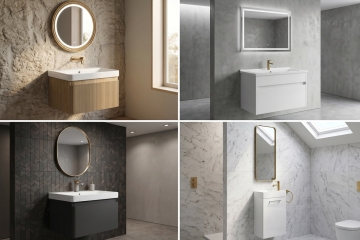
Wall-hung and floor-standing vanity units look stunning in design magazines - all that visible floor creating clean modern lines and spatial illusion. Then you actually install one and discover the reality involves serious wall strength requirements, hidden plumbing complications, and storage compromises nobody mentioned.

By signing up I agree to receive HeatandPlumb.com emails and to the privacy policy. I can also unsubscribe at any time