
0
£0.00
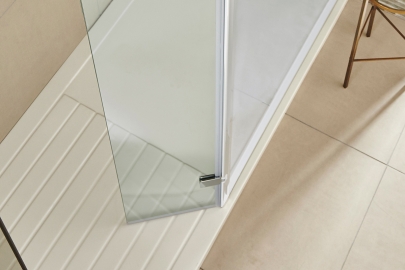
Shower door leaks are frustrating because water escaping onto bathroom floors creates slip hazards, damages flooring, and suggests something's wrong despite the shower looking fine when not in use.
Most leaks have straightforward causes that you can diagnose and fix yourself without calling professionals or replacing the entire door. Let's take a look at how to identify where water's escaping, and how to actually stop it.
Bottom leaks are the most common shower door problem, usually caused by failed or inadequate seals where the door meets the shower tray rather than fundamental door defects.
The bottom seal - typically a vinyl or rubber strip attached to the door's lower edge - prevents water flowing underneath the door onto bathroom floors. These seals compress when the door closes, creating a barrier that water can't easily pass.
Over time, seals harden, crack, or detach from repeated exposure to water, cleaning chemicals, and temperature fluctuations. Once compromised, water flows freely underneath even when the door appears properly closed.
Check your bottom seal by running your shower with the door closed and watching carefully where water escapes. If it's seeping under the door along the entire bottom edge, the seal has failed and needs replacing.
Replacement seals cost £5-15 and slide or clip onto the door bottom. Measure your door thickness and the existing seal profile before buying replacements to ensure proper fit. Most bathroom retailers and hardware stores stock common seal types.
Hinged shower doors leak at hinge points when the seals around hinge hardware deteriorate or when hinges work loose allowing gaps to develop between door and frame.
Water runs down the glass and escapes through any gap at the hinge rather than draining back into the shower tray. Even tiny gaps allow surprising amounts of water to escape during normal showering.
Tighten all hinge screws checking they're secure against the door and wall channel. Loose hinges create movement that prevents seals engaging properly whilst allowing water pathways through the resulting gaps.
Many hinges include rubber or silicone gaskets that seal the hinge area. These gaskets deteriorate over time and rarely come as separate replacement parts - you might need to replace entire hinge assemblies if gasket failure is causing leaks.
Apply clear silicone sealant around hinge bases where they meet the wall channel as temporary fix whilst arranging proper hinge replacement. This isn't permanent but can stop leaks for months whilst you source correct replacement parts.
Frameless doors rely entirely on magnetic strips and precise alignment for water containment rather than frame channels that provide multiple sealing points. This creates fewer but more critical potential leak sources.
The magnetic strips running vertically where the door meets the fixed panel must align perfectly and maintain strong magnetic attraction. Weak magnets or misalignment allows water escaping through the gap despite the door appearing closed.
Check magnetic strip condition by closing the door and feeling how firmly it seals. It should require deliberate effort to open - if the door swings open easily, magnetic attraction is insufficient for proper sealing.
Replace weak magnetic strips with stronger alternatives available from shower door specialists. Ensure replacements match your door thickness and edge profile for proper fit and function.
Door alignment issues prevent magnetic strips meeting correctly even when magnets themselves are fine. Check that the door hangs vertically without sagging, that hinges are tight, and that wall brackets haven't shifted. Adjust door position before assuming seal replacement is needed.
Sliding door tracks definitely leak when the drainage holes become blocked or when water volume overwhelms the track's drainage capacity.
Tracks collect water that runs down the glass during showering. Small drainage holes in the track allow this water to drain back into the shower tray rather than overflowing onto bathroom floors.
Hair, soap scum, and mineral deposits block these holes over time. Water accumulates in the track with nowhere to go, eventually overflowing onto floors particularly during vigorous showering.
Clean tracks thoroughly using old toothbrushes or pipe cleaners to clear drainage holes. This simple maintenance prevents most track-related leaks whilst taking just minutes quarterly.
Some tracks poorly design drainage - inadequate hole sizes or poor positioning means they can't drain water fast enough even when perfectly clean. You're fighting the track design rather than addressing maintenance issues.
Upgrade to tracks with better drainage design if you're constantly fighting overflow despite diligent cleaning. Quality replacement tracks cost £20-50 and install relatively easily, fixing fundamental design problems that cleaning can't address.
All shower doors use multiple seals at various points - bottom edge, sides, between panels, around hardware. Each seal represents a potential failure point that can allow leaks.
Inspect all seals systematically rather than just checking the bottom. Run water whilst doors are closed and watch carefully where leaks appear. Sometimes water runs down inside channels before escaping, making the actual leak source deceptive.
Side seals between door edges and wall channels often get overlooked but fail just like bottom seals. These vertical seals compress when doors close, preventing water escaping around door edges.
Replace any seal showing cracks, hardness, gaps, or visible deterioration. Seals are cheap whilst water damage from ongoing leaks is expensive. Proactive seal replacement prevents problems rather than just reacting to leaks.
Most seals attach via friction fit, adhesive backing, or clips that make replacement straightforward DIY work. Clean surfaces thoroughly before installing new seals ensuring proper adhesion and positioning.
Water escaping where shower enclosures meet bathroom walls indicates failed or inadequate silicone sealing rather than door problems.
The vertical silicone bead where wall channels attach should create a continuous waterproof barrier preventing water penetrating behind the enclosure. Failed silicone allows water seeping through gaps, running down inside the wall, and appearing as leaks that seem like door problems.
Check silicone condition carefully - look for cracks, gaps, mould growth, or separation from wall or channel. Even small failures let significant water through over time.
Remove failed silicone completely using scraper or old chisel, clean surfaces with alcohol or specialized silicone remover, let dry completely, then apply fresh bathroom-grade silicone sealant creating continuous beads.
Smooth silicone immediately after application using a wet finger or smoothing tool. Proper smoothing ensures good surface contact whilst creating a neat professional appearance.
Let silicone cure fully (24-48 hours typically) before using the shower. Premature use prevents proper curing and creates seal failures that require redoing the entire job.
Some door designs inherently contain water better than others through fundamental configuration rather than seal quality or maintenance.
Pivot doors that swing outward naturally shed water back into the shower through gravity and door angle. However, they can drip water that's clinging to the glass as they swing, particularly if opened immediately after showering whilst still covered in water.
Sliding doors contain water reasonably well but the track system creates inherent leak potential through drainage holes and panel overlaps that fully sealed designs don't have.
Walk-in configurations without doors at all obviously allow water escaping more readily than enclosed designs. This is an accepted trade-off for the open aesthetic rather than defect or problem.
If you've got fundamentally inadequate door design for your shower pressure, spray pattern, or user habits, no amount of seal replacement fixes the core issue. You're fighting door configuration rather than addressing maintenance.
Consider whether your shower habits match your door type. Powerful rain heads or enthusiastic children using hand showers create more water spray than gentle fixed heads. Door designs adequate for gentle use might leak under more aggressive showering.
Systematic testing identifies actual leak sources rather than guessing based on where water appears on the floor (which can be misleading if water runs along the tray before escaping).
Close the door and run water from the shower without entering, watching carefully where water escapes. This isolates door seal problems from water escaping through other routes.
Use just the hand shower spraying directly at different door sections - bottom seal, side seals, hinges, magnetic strips. When water appears on the floor, you've found your leak source.
Mark leak locations with tape or chalk whilst testing so you remember exactly where problems are once you turn water off and everything dries. Wet active leaks are obvious; dry bathroom floors hide evidence.
Sometimes leaks only occur under specific conditions - particular spray angles, water pressures, or door positions. Test various scenarios replicating actual shower use rather than just gentle testing that might not reveal real-world problems.
Regular maintenance prevents most shower door leaks rather than just reacting after water damage occurs.
Clean all seals monthly using bathroom cleaner and soft brush, removing soap scum and mineral deposits that deteriorate rubber and vinyl. Clean seals last substantially longer than neglected ones.
Check seal condition quarterly, looking for early signs of hardening, cracking, or separation. Replace seals showing wear before they fail completely and cause leaks.
Clean track drainage holes every few weeks preventing blockages that cause overflow. This takes two minutes with a pipe cleaner or old toothbrush.
Inspect silicone sealing annually, addressing small failures before they become major leak sources requiring extensive resealing work.
Tighten all hardware quarterly - hinges, brackets, handles - preventing movement that creates gaps allowing water escape.
At Heat and Plumb, we know that most shower door leaks don't require complete door replacement, despite what some retailers might suggest. Over 20+ years, we've learned that proper seals, good maintenance, and correct installation prevent 90% of leak problems.
And when doors do genuinely need replacing, we stock high-quality, stylish doors for shower spaces with proven seal systems and adequate drainage design. Plus, we also throw in free delivery across most of the UK to help keep your costs down!

Inspect seals every 3-6 months and replace when you notice hardening, cracks, or gaps developing. Typical seal lifespan is 2-4 years depending on water quality, cleaning product use, and how frequently the shower is used.
No - use only bathroom-grade or kitchen-and-bathroom silicone containing fungicides that prevent mould growth. Standard all-purpose silicone doesn't include these additives and develops mould within weeks in humid bathroom conditions.
Inconsistent leaks suggest problems that only manifest under specific conditions - particular spray angles, water pressures, or how firmly doors close.
Seal the door completely with towels blocking all potential exit points, then run water. If water still appears outside, the tray itself leaks rather than the door.
Indirectly yes - mineral deposits from hard water accelerate seal deterioration, clog track drainage holes, and create buildup that prevents doors sealing properly.
Seal both sides ideally - internal sealing prevents water penetrating behind channels whilst external sealing creates a backup barrier if the internal seal fails. This belt-and-braces approach provides maximum protection.
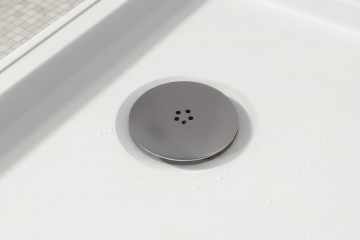
Learn about shower tray waste types, sizes, traps and flow rates, with practical advice on choosing a compatible replacement.
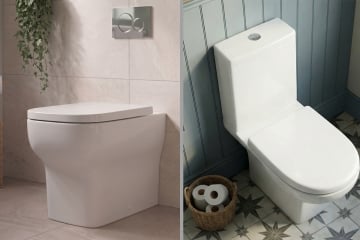
Learn how cable and pneumatic toilet flush buttons work, how to identify your mechanism and what to check before buying a replacement.
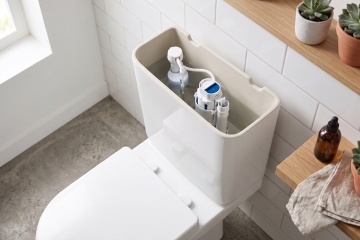
If your toilet will not flush properly, the cause is usually either inside the cistern, around the flush mechanism or further along the waste pipe. The key is to work out whether the flush is weak, not working at all, or backing up into the pan.

By signing up I agree to receive HeatandPlumb.com emails and to the privacy policy. I can also unsubscribe at any time