
0
£0.00
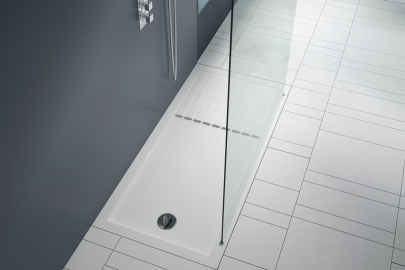
Walk-in showers look amazing in magazines and hotel bathrooms, all minimalist and spa-like. But are they actually practical for your home, or is a traditional enclosure the smarter choice?
Both have genuine advantages and some drawbacks that aren't immediately obvious until you've lived with them. Here's what actually matters when you're making this decision.
Walk-in showers are essentially wet room setups without the full waterproofing. You've got a shower tray with one or two fixed glass panels creating a partial barrier, but there's no door and the space remains open. Water containment relies on the showerhead positioning and adequate floor space rather than complete enclosure.
Shower enclosures are fully enclosed spaces with doors that seal the shower area completely. Whether sliding, hinged, or pivot doors, they create a watertight barrier preventing water from escaping into the bathroom. They're what most UK homes have fitted as standard because they work reliably in typical bathroom sizes.
Walk-in showers need substantially more floor space to function properly without soaking your entire bathroom. You're looking at minimum 1200mm depth to prevent water spraying out of the open side, though 1400-1500mm works better for proper containment.
Enclosures work in tighter spaces because the doors contain water regardless of room size. A 900mm x 900mm enclosure fits in spaces where a walk-in would be completely impractical, making them essential for compact bathrooms and ensuites where every centimetre counts.
Walk-in showers create an open, spacious feeling that makes bathrooms appear larger than they actually are. The lack of visual barriers and minimal glass framework maintains sightlines across the room, which particularly benefits smaller bathrooms where enclosed spaces feel cramped.
Enclosures have more physical presence with frames, doors, and hardware creating defined boundaries. They can make small bathrooms feel boxed-in, though frameless designs minimise this effect. In larger bathrooms, enclosures provide structure without overwhelming the space.
This is where walk-ins face their biggest practical challenge. Despite careful positioning, water inevitably escapes onto the bathroom floor to some degree, particularly with powerful showers or enthusiastic users.
You'll need adequate floor drainage or sloping, water-resistant flooring throughout the bathroom, and acceptance that the toilet, sink area, and potentially towels will get splashed. Some water escape is inherent to the design rather than installation failure.
Enclosures contain water completely when properly sealed and installed. The entire bathroom floor stays dry, allowing carpet or less water-resistant materials outside the shower area. This containment matters enormously in homes with wooden floors or where moisture control is important.
Walk-in showers require extensive floor preparation including proper drainage slopes, waterproof membranes extending well beyond the shower area, and often underfloor heating to dry the floor quickly. The installation resembles wet room construction even though you're using a tray.
Enclosures install relatively straightforwardly onto prepared shower trays with standard bathroom floors. Seal the edges, secure the frame, adjust the door - it's conventional bathroom fitting that most competent DIYers or plumbers handle routinely.
Walk-in showers win here because there's less to clean. No door mechanisms, tracks, or seals means just wiping down the glass panel and tray. The minimal framework accumulates less limescale and soap scum.
Enclosures have doors with hinges or tracks, multiple seals, and more glass area requiring regular attention. Sliding door tracks particularly harbour grime that needs scrubbing. However, because water stays contained, the rest of your bathroom needs less frequent mopping.
Walk-in showers offer excellent accessibility with no door threshold to navigate and plenty of space for mobility aids or carers. The open design accommodates wheelchairs easily and reduces fall risks associated with stepping over enclosure thresholds.
Enclosures create physical barriers with door frames and raised shower trays that challenge anyone with mobility limitations. Low-profile trays help, but there's still a step and door to manage, which can be genuinely difficult for elderly or disabled users.
Walk-in showers cost significantly more when you factor in proper installation. The glass panels themselves might be £300-800, but waterproofing, floor preparation, and potentially underfloor heating add £1000-2000+ to the project.
Enclosures range from £150 for basic models to £1000+ for premium frameless designs, with installation relatively straightforward. Total project costs stay considerably lower because you're not extensively modifying your bathroom structure.
Enclosures trap heat and steam inside the shower space, creating a warm cocoon that's genuinely pleasant during winter months. The enclosed space heats quickly and maintains temperature throughout your shower.
Walk-in showers lose heat constantly because there's no enclosure. The open design means you're showering in what's essentially your bathroom's ambient temperature, which feels significantly colder. Bathroom heating becomes more important to compensate.
Walk-in showers suit spacious bathrooms, ensuites in master bedrooms where floor space isn't constrained, ground floor installations where water management is simpler, and modern renovations where aesthetics justify the additional cost and complexity.
Enclosures work better in compact bathrooms, family bathrooms with multiple users of varying ages, upper floor installations where water leaks cause serious damage, and situations where budget constraints make extensive waterproofing impractical.
Walk-in showers appeal to buyers seeking modern, luxury bathrooms and can add perceived value in appropriate properties. However, they can deter families with young children who worry about water everywhere, and some buyers consider them impractical.
Enclosures are universally accepted and expected in UK homes. They don't add particular value but their absence in appropriate bathrooms might raise questions. They're the safe, conventional choice that won't limit your buyer pool.
For further guidance on choosing appropriate shower configurations, check our article on shower types explained over on our blog.
At Heat and Plumb, we're realistic about bathroom trends versus practical functionality. After 20 years in this business, we've learned that the most Instagram-worthy option isn't always the most liveable. We stock over 30,000 products covering both walk-in panels and traditional enclosures because different homes genuinely need different solutions.
Free delivery across most of the UK applies whether you're ordering a simple enclosure or premium walk-in panels, keeping costs predictable. Our supplier relationships mean we offer proper quality at competitive prices rather than just stocking whatever's cheapest.
We'll discuss your actual bathroom dimensions and usage patterns rather than just selling you what looks good in photos. Sometimes the honest answer is that a walk-in won't work in your space, and we'd rather tell you that upfront than let you discover it after installation.
Ready to browse options? Explore our sleek fittings for enclosed shower spaces to see what's available and upgrade your space today.

Walk-in showers definitely need better ventilation because moisture disperses throughout the entire bathroom rather than staying contained. You'll want a powerful extractor fan (minimum 15 litres/second extraction rate) and possibly a window you can open to prevent condensation coating everything.
Technically yes, but it requires significant work beyond just removing the enclosure. You'll need to extend waterproofing across more floor area, potentially adjust drainage slopes, and possibly install additional heating. It's essentially a major bathroom renovation rather than a simple upgrade.
They can work, but the typically lower pressure and flow rate from electric showers makes water containment trickier. The gentler spray disperses more widely, increasing the chance of water escaping beyond the glass panel.
Underfloor heating is almost essential for walk-in showers because the floor stays wet longer and feels uncomfortably cold otherwise. It dries the floor quickly, prevents standing water encouraging mould, and makes the bathroom pleasant to use.
Walk-in showers typically use one fixed panel (800-1200mm wide) for smaller installations, or two panels forming an L-shape for corner installations. Larger panels contain water better but cost more and require stronger wall fixings.
Noticeably so, yes. Without enclosure, there's no heat retention and you're essentially showering in your bathroom's ambient temperature. Even with good bathroom heating, the difference is significant compared to the warm cocoon of an enclosed shower.
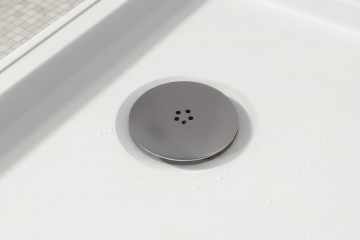
Learn about shower tray waste types, sizes, traps and flow rates, with practical advice on choosing a compatible replacement.
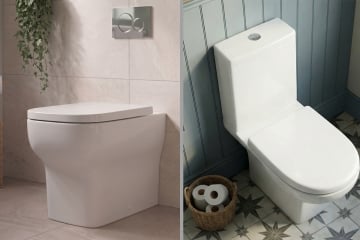
Learn how cable and pneumatic toilet flush buttons work, how to identify your mechanism and what to check before buying a replacement.
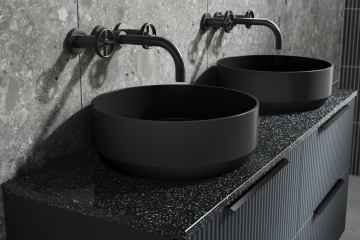
Selecting a basin for a vanity unit requires careful consideration of physical compatibility and plumbing clearances, not just aesthetic appeal. Ensuring the dimensions, mounting style, tap placement, and waste configuration align will prevent installation issues.

By signing up I agree to receive HeatandPlumb.com emails and to the privacy policy. I can also unsubscribe at any time