
0
£0.00
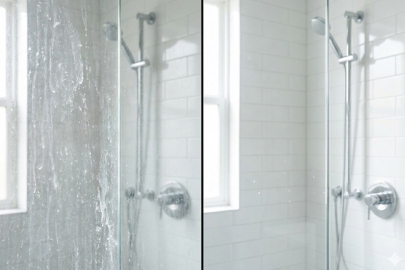
Hard water carries dissolved calcium and magnesium. When water evaporates on your shower glass - which happens constantly - these minerals remain behind as solid deposits. One shower leaves nothing visible; a thousand showers create the stubborn haze you're battling.
Those white marks are limestone, essentially the same material forming stalactites in caves. Your shower has been conducting geological processes at accelerated speed, building mineral deposits layer by microscopic layer.
Regular bathroom cleaners use surfactants designed for organic compounds like soap and skin oils. Limestone is inorganic rock. The chemistry doesn't match; the products can't work regardless of scrubbing intensity or determination.
You need acid dissolving the calcium carbonate through actual chemical reaction. This isn't cleaning in the traditional sense; it's controlled mineral dissolution.
White vinegar costs roughly £1 per bottle and contains acetic acid that reacts with calcium carbonate, breaking molecular bonds and dissolving the deposits back into solution.
Years of accumulated mineral scale resist vinegar alone. The deposits are simply too thick, too densely bonded for acetic acid to penetrate and dissolve effectively. Commercial limescale removers contain stronger acids - citric, phosphoric, sometimes hydrochloric. These dissolve minerals vinegar can't touch, working faster and more aggressively.
WARNING: Protect Your Hardware: Strong acids damage metal fixtures, discolour certain surfaces, and demand careful handling. Read instructions completely before using. These aren't casual cleaning products you spray carelessly.
Apply to affected areas, let it sit for the recommended periods (usually 5-15 minutes, never longer without explicit instructions), then rinse obsessively. Strong acids left on surfaces can cause severe corrosive damage to the fixtures you are trying to clean.
Ventilate properly when using commercial descalers. The fumes range from unpleasant to genuinely harmful depending on product strength.
Daily squeegeeing after showers prevents the deposits from forming at all. Thirty seconds spent removing standing water eliminates the evaporation that leaves minerals behind.
This seems tedious until you've spent an afternoon scrubbing limescale. Thirty seconds daily versus quarterly hours-long descaling sessions - the mathematics favour prevention overwhelmingly.
Keep the squeegee hanging in the shower where grabbing it becomes an automatic routine. Out of sight in a cupboard means it never gets used.
Water softeners address hard water systemically, removing calcium and magnesium before they reach your shower. The investment - £500-£1500 for whole-house systems - seems substantial until you calculate the cumulative time and money spent fighting hard water consequences throughout your home.
Softener benefits extend far beyond shower glass to appliance longevity, reduced cleaning product consumption, elimination of kettle limescale, softer laundry, and easier general cleaning throughout the house.
Shower-specific inline water softeners cost £30-£80 and reduce (though don't eliminate) deposits noticeably. They're compromise solutions when whole-house softening isn't viable.
Hydrophobic treatments create water-repellent surfaces where droplets bead and run off rather than spreading and evaporating, dramatically reducing mineral deposition.
Professional coatings applied during shower installation or by specialist companies last months or years. Water sheets off treated glass carrying dissolved minerals with it rather than leaving them behind. DIY products like Rain-X work similarly with shorter effectiveness. Apply every few weeks maintaining protection between applications.
These prevent future problems rather than solving existing ones. Clean thoroughly first, then prevent recurrence. Obviously, the coating doesn't eliminate maintenance entirely; it reduces frequency from weekly scrubbing to occasional light cleaning.
For comprehensive shower door maintenance beyond just tackling hard water stains, our guide to shower door cleaning tips can help you with overall care. And when damage becomes too severe for cleaning to address, browse our sliding and hinged glass door options for showers as replacements.

The August heatwave pushed UK temperatures to 38.1°C at Kew Gardens on 13 August. This brutal spike marked the fifth official heatwave of a relentless summer. After England recorded its driest July since 1836, official figures confirmed 71.3% of the country fell into drought status. Today, 45 million people reside in drought zones, while over 27 million must follow strict hosepipe bans and water restrictions. This national climate shift puts severe pressure on residential water systems. British families now face a difficult choice: stay cool or conserve water.

Sometimes the inventions which have had most impact on our everyday lives are the ones which we take the most for granted. Where would we be without the wheel, writing or even the internet? Another invention which we take for granted is the access to toilets and sewerage system, and it's not until you visit other countries which don't come up to Western European standards that you realise just how fortunate we are.

Don't want to have to pay for bath bombs? Here is how you can try and make your own bath bombs to add to your bath.
By signing up I agree to receive HeatandPlumb.com emails and to the privacy policy. I can also unsubscribe at any time