
0
£0.00
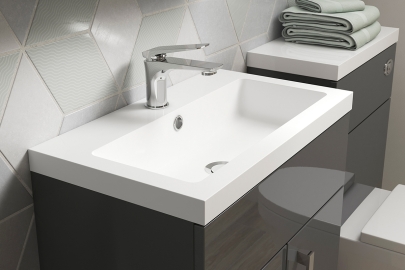
Choosing between resin and ceramic basins affects durability, maintenance requirements, and long-term satisfaction more than initial appearance suggests.
Both materials work perfectly well in appropriate situations, but understanding their different characteristics prevents choosing based purely on aesthetics and regretting practical limitations later. Here's what actually distinguishes them beyond surface appearance.
Ceramic basins are made from clay fired at extremely high temperatures (1200-1400 degC) then glazed with a glass-like coating that creates the smooth glossy surface. This traditional manufacturing process produces hard, durable basins that have dominated bathrooms for over a century.
The ceramic body is porous without the glaze, but the vitreous glaze creates a waterproof, stain-resistant surface that's chemically inert and highly resistant to most bathroom products and cleaning chemicals.
Resin basins combine mineral powder (typically crushed stone or marble) with polyester or acrylic resin binders, creating dense composite material that's moulded into shape then cured. Modern manufacturing produces consistent quality with smooth matt or gloss finishes.
The material is non-porous throughout rather than relying on surface glazing for water resistance. Colour extends through the entire thickness, meaning scratches don't expose different material underneath as they can with painted or coated surfaces.
| Feature | Resin Basins | Ceramic Basins |
| Weight | Light (5-8kg) | Moderate-Heavy (10-15kg) |
| Durability | Good - resists chips | Excellent - very hard surface |
| Impact Resistance | Moderate - can crack under severe impact | Brittle - chips or cracks from impacts |
| Repairability | Difficult - limited repair options | Difficult - chips hard to fix invisibly |
| Surface Feel | Warm, smooth (matt or gloss) | Cool, smooth (gloss) |
| Price Range | £80-250 | £60-200 (standard), £200+ (designer) |
| Stain Resistance | Good - non-porous material | Excellent - glazed surface |
| Scratch Resistance | Moderate - can scratch | Excellent - very hard glaze |
| Installation | Easy - lightweight | Moderate - requires secure mounting |
| Best For | Contemporary designs, integrated units | Traditional or modern, standalone basins |
Ceramic wins for surface hardness and scratch resistance. The fired glaze creates an extremely hard surface that resists scratching from daily use, cleaning, and accidental contact with jewellery or hard objects. You'd need significant force with sharp objects to scratch ceramic noticeably.
However, ceramic's hardness makes it brittle. Drop something heavy in a ceramic basin and it chips or cracks rather than absorbing the impact. The damage is often permanent and difficult to repair invisibly, though the basin usually remains functional.
Resin is slightly softer, making it more vulnerable to scratches from abrasive materials or careless cleaning with scouring pads. Daily gentle use creates no problems, but aggressive scrubbing with wrong materials leaves visible marks over time.
The trade-off is better impact resistance - resin absorbs impacts that would shatter ceramic, making it more forgiving of dropped bottles, knocked cosmetic containers, or children's bathroom accidents. Resin basins crack less readily under stress.
Overall longevity is similar for quality examples of both materials - expect 15-20+ years with reasonable care. The failure modes differ rather than one outlasting the other dramatically.
Ceramic's glossy glazed surface sheds water, soap scum, and toothpaste readily. A quick wipe with any standard bathroom cleaner removes most residue effortlessly. The hard glaze tolerates harsh chemicals and abrasive cleaners without damage, though gentler products are usually adequate.
Water spots and limescale show clearly on glossy ceramic but wipe off easily with standard limescale removers. The surface doesn't stain from everyday bathroom products - makeup, toothpaste, soap, and cosmetics clean away completely.
Resin surfaces in matt finishes hide water spots and limescale better than glossy ceramic, requiring less frequent detailed cleaning to maintain good appearance. However, the slightly softer surface potentially absorbs stains if aggressive products sit on it for extended periods.
Use gentle cleaners rather than harsh chemicals on resin to avoid dulling the finish or causing surface damage. The material doesn't tolerate abrasive cleaners or scouring pads - these permanently scratch the surface in ways ceramic would shrug off.
Both materials are genuinely easy to maintain with appropriate products. The difference is ceramic tolerates harsher treatment whilst resin rewards gentle care with good long-term appearance.
Resin basins are substantially lighter at 5-8kg for typical sizes, making them easy to handle during installation and placing minimal stress on vanity units or wall mountings. The lightweight nature particularly suits wall-mounted vanities where weight concentrates on mounting brackets.
Installation is straightforward even for DIY work because you're not wrestling with heavy awkward objects. Single-person installation is perfectly viable with resin basins.
Ceramic basins weigh 10-15kg typically, requiring more careful handling and secure mounting. The weight isn't prohibitive but demands attention to proper support - wall-mounted installations need adequate fixings into solid walls or substantial backing.
The weight advantage of resin matters most for large basins or countertop vessel designs where ceramic equivalents become genuinely heavy and awkward. Smaller basins show less dramatic weight differences.
Resin moulding processes allow more varied shapes including seamlessly integrated basin-and-countertop units where basin and surface are one continuous piece. This creates extremely clean contemporary aesthetics without visible joins or seams collecting dirt.
The material suits modern minimalist designs with sharp edges, unusual profiles, and custom configurations that would be difficult or impossible in ceramic. Matt finishes in various colours complement contemporary bathroom trends away from glossy white.
Ceramic manufacturing has evolved considerably - modern designs include angular contemporary styles alongside traditional forms. However, the firing process still limits certain complex shapes or extremely thin profiles that resin handles easily.
Ceramic dominates traditional and classic designs where the glossy white finish suits period aesthetics. It also remains standard for undermount basins that fit beneath stone or solid surface countertops.
Both materials offer extensive choice - your preferred style likely exists in both ceramic and resin. The question is which material better suits your specific design vision and practical requirements.
Standard ceramic basins cost £60-200 for quality mid-range products, with budget options below £60 and designer ceramics exceeding £200-300. The material itself is relatively inexpensive - you're paying for brand, design, and manufacturing quality.
Resin basins start around £80 for basic models and range to £200-250 for quality designs. Premium integrated resin basin-countertop units can exceed £300-500 depending on size and manufacturer.
The cost difference isn't dramatic for comparable quality and size. Budget constraints rarely determine material choice unless you're stretching to absolute minimum spending, where basic ceramic undercuts basic resin slightly.
Installation costs are similar for both materials assuming standard configurations. Integrated resin units might save on separate countertop costs but these tend to be premium products offsetting savings elsewhere.
Ceramic feels cool to touch, which some people find refreshing whilst others consider cold and uninviting. The temperature neutralises quickly under running water but that initial cool touch is characteristic of ceramic basins.
The ultra-smooth glazed surface feels luxurious and premium - there's something satisfying about the perfectly smooth ceramic that screams quality.
Resin feels slightly warmer because it doesn't conduct heat away from your hands as rapidly. This matters more during winter when touching cold ceramic first thing in the morning feels particularly unpleasant.
Matt resin finishes have different tactile qualities than glossy ceramic - less slippery, slightly textured feel that some prefer whilst others miss ceramic's perfect smoothness.
These differences are subjective preferences rather than objective advantages. Handle examples of both materials before deciding if the tactile experience matters to you significantly.
Ceramic chips are essentially permanent. Specialist repair kits exist that fill chips with epoxy resin matched to white ceramic, but repairs remain visible upon close inspection. Most people live with small chips rather than attempting repairs.
Cracks in ceramic rarely repair successfully - the basin typically needs replacing once structural integrity is compromised. However, quality ceramic resists cracking well under normal use, so this affects poorly handled or exceptionally unlucky basins.
Resin scratches sometimes polish out using fine abrasive compounds designed for the material, though deep scratches might be permanent. The same-colour material throughout means scratches don't expose different material underneath, keeping damage less visually obvious.
Resin cracks are also difficult to repair invisibly, though the material's flexibility makes cracking less likely than with brittle ceramic under equivalent impacts.
For integrated resin basin-countertop units, any damage often requires replacing the entire unit rather than just the basin, which can be expensive. Separate basins in either material allow replacement without replacing countertops.
At Heat and Plumb, we've watched resin basins gain popularity over 20+ years whilst ceramic maintained its position as the reliable standard. Neither material is inherently superior - they serve different preferences and priorities without one being universally better.
We stock quality examples of both because different bathrooms genuinely need different solutions. Free delivery across most of the UK means you're not paying premium shipping regardless of which material you choose.
What sets us apart is discussing your actual usage patterns, cleaning habits, and aesthetic preferences rather than pushing whichever material has better margins. So whether you're looking for bathroom fixtures that balance form and function, or something no-frills, we've got you covered.

Quality resin basins resist yellowing when manufactured with UV stabilisers and cleaned with appropriate products. Cheap resin or exposure to harsh chemicals can cause gradual discolouration that's difficult to reverse.
Ceramic tolerates abrasive cleaners without damage - the hard glaze resists scratching from standard cleaning products. However, extremely abrasive materials like wire wool can eventually dull the glaze.
Neither material is inherently better - both show limescale equally. The difference is ceramic's glossy surface makes deposits more visible whilst resin's matt finishes hide them better between cleanings.
The seamless appearance and elimination of the basin-countertop joint certainly looks premium and genuinely simplifies cleaning. Whether that justifies 50-100% cost premium over separate basins depends on your budget and aesthetic priorities.
Yes, using appropriate drill bits (typically standard metal bits work fine). Resin drills more easily than ceramic without the cracking risks associated with drilling toughened ceramic.
Minor surface scratches sometimes polish out using very fine abrasive compounds (1500-2000 grit) or specialised resin polish. Work gently in circular motions, testing in inconspicuous areas first.
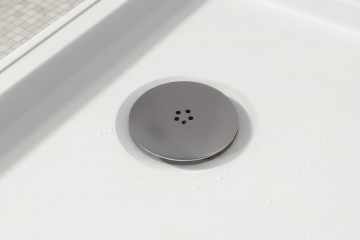
Learn about shower tray waste types, sizes, traps and flow rates, with practical advice on choosing a compatible replacement.
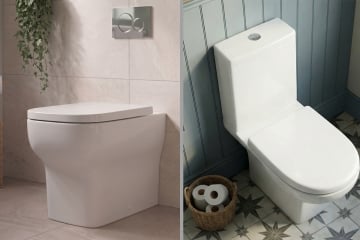
Learn how cable and pneumatic toilet flush buttons work, how to identify your mechanism and what to check before buying a replacement.
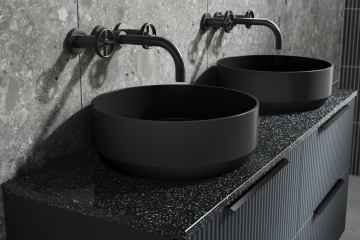
Selecting a basin for a vanity unit requires careful consideration of physical compatibility and plumbing clearances, not just aesthetic appeal. Ensuring the dimensions, mounting style, tap placement, and waste configuration align will prevent installation issues.

By signing up I agree to receive HeatandPlumb.com emails and to the privacy policy. I can also unsubscribe at any time