
0
£0.00
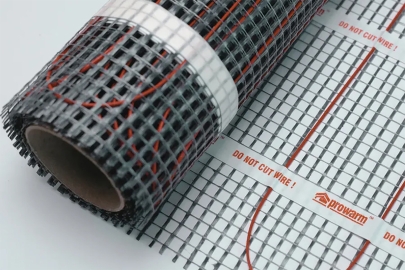
Underfloor heating sounds luxurious and modern, but it's not automatically superior to radiators despite what showroom displays suggest. Both systems have genuine strengths and real limitations that affect comfort, cost, and practicality.
Understanding these differences helps you choose based on your actual circumstances rather than aspirational magazine images of minimal spaces with invisible heating. Here's what separates them in real-world use.
| Feature | Underfloor Heating | Radiators |
| Installation Cost | £75-100/m² (wet), £50-75/m² (electric) | £200-400 per room |
| Running Costs | Lower (15-30% savings possible) | Higher - standard efficiency |
| Heat-Up Time | 2-4 hours | 20-40 minutes |
| Room Temperature | Even throughout, no cold spots | Some variation, warmer near radiators |
| Floor Height Impact | Adds 50-150mm | No floor height change |
| Furniture Flexibility | Can place anywhere | Must avoid blocking radiators |
| Retrofit Difficulty | Major - requires floor removal | Easy - plumb into existing system |
| Best For | New builds, extensions, renovations | Existing homes, quick installation |
| Maintenance | Minimal - hidden system | Easy access for repairs |
| Cooling Option | Not available | Not available (both heating only) |
Underfloor heating circulates warm water through pipes embedded in floor screed (wet systems) or uses electric heating cables/mats beneath floor finishes (electric systems). Heat radiates upward from the entire floor surface, warming objects and people directly whilst also heating room air gradually.
The large surface area operating at relatively low temperatures (typically 25-30 degC floor surface) creates gentle, even heating without hot spots or cold zones. You're essentially turning your entire floor into a giant low-temperature radiator.
Radiators heat room air through convection currents - cold air enters at the bottom, gets heated by hot water inside the radiator, and rises as warm air into the room. This creates circulation that distributes warmth, though not perfectly evenly throughout the space.
The smaller surface area requires higher temperatures (typically 60-70 degC water temperature) to produce equivalent heat output. This creates more pronounced warm and cool zones depending on proximity to radiators.
Wet underfloor heating costs £75-100 per square metre installed, including pipes, manifold, controls, and floor screed. A typical 20m² room runs £1,500-2,000, with larger open-plan areas benefiting from economies of scale bringing per-metre costs down.
Electric underfloor systems cost less initially at £50-75 per square metre because they're simpler to install without plumbing work. However, running costs make electric systems expensive long-term unless you're only heating small bathroom spaces occasionally.
Radiator systems cost £200-400 per room typically, including radiator, valves, pipework to the room, and installation labour. Multiple rooms see costs rise proportionally, but individual room costs stay relatively consistent.
New build installations favour underfloor heating because you're building floors anyway - adding UFH during construction adds minimal complication. Retrofitting UFH to existing homes requires removing and rebuilding floors, creating massive disruption and expense that often makes it uneconomical.
Underfloor heating potentially saves 15-30% on heating bills compared to radiators because the lower operating temperatures work more efficiently with modern condensing boilers whilst providing equivalent comfort at slightly lower air temperatures.
The even heat distribution means you feel comfortable at 19-20 degC with UFH versus needing 21-22 degC with radiators to overcome cold spots and uneven heating. This 1-2 degC reduction translates to genuine savings over a heating season.
However, the slow response times mean UFH suits homes with consistent heating schedules rather than intermittent heating. Running UFH in "heat when home, off when out" patterns wastes energy because the warm-up period takes hours.
Radiators respond quickly to thermostat demands, heating rooms from cold in 20-40 minutes. This makes them more efficient for intermittent heating schedules where you only heat when actually home.
Electric underfloor heating costs roughly 3-4 times more to run than wet systems or radiators because electricity costs substantially more per unit of heat than gas. Use electric UFH only for small spaces like bathrooms where installation simplicity justifies higher running costs.
Radiators win decisively for response time. Turn heating on and rooms reach comfortable temperatures within 30-40 minutes typically. Come home to a cold house and you're warm relatively quickly.
This responsiveness suits modern lifestyles where houses sit empty during working hours. You can heat only when needed without hours of wasted energy warming up before you arrive home.
Underfloor heating takes 2-4 hours to bring rooms from cold to comfortable because you're heating massive thermal mass (the entire floor structure) before that warmth reaches living spaces. The floor screed must warm throughout before it radiates meaningful heat upward.
This slow response demands different heating strategies - typically running continuously at lower temperatures maintaining comfort rather than heating from cold daily. You're paying to heat 24/7 but at lower intensity than radiators' intensive shorter periods.
The thermal mass works both ways - once warm, UFH stays warm for hours after turning off, providing heat "free" from stored energy. Radiators cool within 20-30 minutes of shutting down, releasing no residual warmth.
Underfloor heating creates remarkably even temperature distribution without cold spots or draughts. Every part of the room reaches similar temperatures because heat rises uniformly from the entire floor surface.
Warm feet with cooler air at head height suits human comfort preferences better than radiators' reversed temperature gradient (warmer air at ceiling height, cooler at floor level). This "head cool, feet warm" condition is widely considered ideal comfort.
Radiators create noticeable temperature variations - areas near radiators feel warmer whilst corners or spaces far from heat sources stay cooler. Good room design minimises this but can't eliminate it entirely.
However, many people find radiator heating perfectly comfortable and don't notice or mind the slight temperature variations. Comfort is subjective - UFH is measurably more even, but that doesn't automatically make it better for everyone.
New installations present no disruption differences - you're building the floor either way. UFH goes in during construction as part of the planned work sequence.
Retrofitting UFH means completely removing existing floors, installing heating systems, rebuilding floors with new screed, and replacing floor finishes. You're gutting rooms down to structural slabs, which creates weeks of disruption, dust, and expense far exceeding the UFH components themselves.
Adding radiators to existing rooms involves running pipes and mounting radiators but leaves floors intact. You're looking at a day's disruption per room rather than weeks of major construction work.
This retrofit reality means UFH makes sense primarily during major renovations where you're rebuilding floors anyway for other reasons. Adding UFH just for heating rarely justifies the disruption unless you're already doing extensive work.
Underfloor heating works best under tile or stone that conducts heat effectively upward into rooms. These hard surfaces transmit warmth readily, maximising system efficiency and comfort.
Wood flooring works adequately but insulates slightly, reducing efficiency compared to tile. Engineered wood suits UFH better than solid wood which can warp from heat and moisture. Always specify UFH-compatible wood products when planning installations.
Carpet significantly reduces UFH effectiveness by insulating the floor, trapping heat in the screed rather than letting it radiate into rooms. Thin carpets or rugs work tolerably, but thick pile carpets essentially waste the UFH investment.
Radiators don't care about floor coverings - use whatever you like without affecting heating performance. This flexibility matters in bedrooms or living spaces where carpet comfort is desirable.
Underfloor heating buried in floor screed is essentially inaccessible once installed. Leaks or failures require destructive investigation involving breaking into floors to locate and repair problems.
This sounds terrifying but quality wet UFH systems rarely fail if installed properly. Modern barrier pipes resist corrosion and leaks, whilst having no mechanical components means there's little to actually break. Properly installed systems run for decades without issues.
When problems do occur, diagnosis is difficult and repairs are expensive because of the access required. Insurance sometimes covers UFH repairs, but not always - check your policy if you're considering installation.
Radiators sit in plain sight where leaks, failures, or performance problems are immediately obvious and easily accessed for repair. Replacement or repair involves standard plumbing work without demolishing anything.
The easier maintenance matters more in older properties or situations where you anticipate future changes. UFH locks you into the current layout because modifying it later requires major work.
For bathroom applications where space is limited, consider our heating units ideal for compact bathrooms - these combine space efficiency with practical towel warming.
At Heat and Plumb, we're honest about underfloor heating being brilliant in appropriate situations whilst being impractical or poor value in others. Two decades of customer feedback taught us that the most satisfied customers chose systems matching their specific circumstances rather than following trends.
We stock radiators because they remain the practical choice for most existing UK homes where retrofitting UFH makes no economic or practical sense. Free delivery across most of the UK applies to all our heating products regardless of type.
What distinguishes us is having realistic conversations about whether UFH actually suits your situation or if radiators deliver better value. Sometimes the answer is "spend £5,000 on premium radiators and controls instead of £15,000 on UFH" - we sell both, so we've no incentive to steer you wrong beyond wanting satisfied customers.

Yes, though floor height changes create threshold issues at doorways and potentially affect ceiling heights in rooms below. The added floor depth (typically 50-150mm) needs careful planning to avoid creating trip hazards or awkward transitions.
Perfectly - UFH's low operating temperatures suit heat pumps ideally. Heat pumps work most efficiently providing low-temperature heat exactly like UFH needs, whilst radiators often require higher temperatures that reduce heat pump efficiency.
Absolutely - many installations use UFH for ground floor open-plan areas whilst keeping radiators upstairs where retrofitting UFH is impractical. The systems coexist happily on the same heating circuit with appropriate controls.
In new builds where installation costs are similar, payback from running cost savings takes 10-15 years typically. In retrofits where UFH costs substantially more than radiators, payback might extend to 20+ years or never happen at all.
Modern barrier pipes rarely leak if installed to proper standards. If leaks occur, specialist detection equipment locates the problem area before targeted repair work breaks into the floor at precise locations rather than random searching.
Yes, through manifold-controlled zone valves that open or close flow to different areas based on individual thermostats. This provides similar room-by-room control as radiator TRVs.
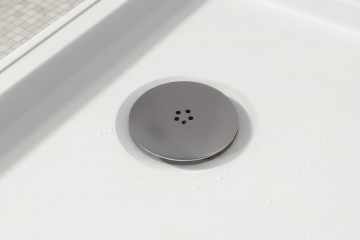
Learn about shower tray waste types, sizes, traps and flow rates, with practical advice on choosing a compatible replacement.
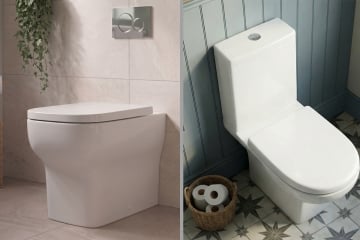
Learn how cable and pneumatic toilet flush buttons work, how to identify your mechanism and what to check before buying a replacement.
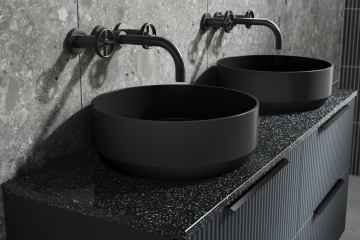
Selecting a basin for a vanity unit requires careful consideration of physical compatibility and plumbing clearances, not just aesthetic appeal. Ensuring the dimensions, mounting style, tap placement, and waste configuration align will prevent installation issues.

By signing up I agree to receive HeatandPlumb.com emails and to the privacy policy. I can also unsubscribe at any time