
0
£0.00
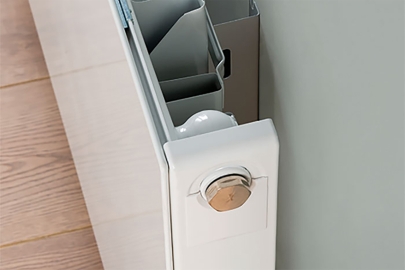
Radiators are remarkably low-maintenance heating components, but completely neglecting them leads to reduced efficiency, higher bills, and eventual failure requiring expensive repairs or replacement.
Basic maintenance takes minimal time and costs almost nothing whilst preventing the majority of common radiator problems. Here's what actually needs doing - and when.
Bleed radiators at least once annually, ideally before the heating season starts in autumn. This releases trapped air that accumulates naturally over time and prevents radiators heating properly.
Air trapped inside creates cold spots at the top of radiators whilst the bottom stays warm. This reduces effective heating surface area, forcing your boiler to work harder and longer to achieve comfortable temperatures whilst wasting energy.
The process takes about two minutes per radiator. Turn the heating on until radiators warm, then turn it off for safety. Insert your radiator key into the bleed valve at the radiator's top corner, turn slowly anticlockwise whilst holding a cloth underneath to catch drips. You'll hear air hissing out - when water starts dripping instead of air, close the valve immediately.
Some heating systems accumulate air faster than others due to system design or water quality. If you notice radiators developing cold spots between annual bleedings, bleed them whenever needed rather than waiting for the scheduled maintenance.
Check your boiler pressure after bleeding multiple radiators. Releasing air sometimes drops system pressure below optimal levels, requiring topping up through the filling loop to restore proper pressure.
External cleaning removes dust that acts as insulation, preventing heat radiating efficiently into your room. Dusty radiators genuinely heat less effectively whilst looking grimy and neglected.
Vacuum between panels and fins using a narrow nozzle attachment, working from top to bottom to avoid redistributing dust downward. Special long thin radiator brushes reach deep between panels where vacuum attachers can't access. These cost about £3-5 and last years, making them worthwhile investments.
Wipe external surfaces with a damp cloth and mild detergent, avoiding harsh chemicals that might damage paint finishes. For stubborn marks, gentle all-purpose cleaners work fine - radiators aren't delicate despite being warm.
Clean radiators 2-3 times annually or whenever they look visibly dusty. Homes with pets, open windows, or poor air filtration need more frequent cleaning than sealed environments with good filtration.
Behind radiators, dust and debris accumulate against walls creating dark marks and reducing efficiency. Use a long-handled duster or radiator cleaning brush to reach behind without dismounting radiators. If you're decorating and radiators are coming off anyway, thoroughly clean the wall behind whilst you have access.
Painting radiators is fine aesthetically, but use proper radiator paint rather than standard emulsion that yellows and cracks from heat exposure. Radiator paint withstands temperature cycling without deteriorating.
Turn heating off and let radiators cool completely before painting - paint applied to warm radiators doesn't adhere properly and creates streaky finishes. Multiple thin coats produce better results than single thick applications.
Dark colours reduce radiative heat output slightly compared to light colours because they absorb rather than reflect infrared radiation. The difference is marginal (perhaps 5-10%) but worth knowing if you're considering dramatic colour changes. The effect on total heat output including convection is even smaller because most heat leaves radiators through air circulation rather than radiation.
Metallic paints marketed as "heat-reflective" or "efficiency-enhancing" are mostly marketing nonsense. Standard quality radiator paint in your chosen colour performs identically for practical purposes.
Power flushing removes internal sludge, rust particles, and debris that accumulate over years, restricting water flow and reducing heat transfer efficiency. It's not annual maintenance - it's intervention when systems show specific symptoms.
Signs you need power flushing include:
Heavily sludged systems heat inefficiently, waste energy, and stress boilers potentially shortening their lifespan. Power flushing costs £300-500 for typical houses but can restore 10-15% efficiency in badly affected systems.
Well-maintained systems with inhibitors added properly might go 8-10 years between flushes. Poorly maintained systems or those with recurring air problems might need flushing every 3-5 years.
Radiator valves develop leaks over time as washers deteriorate and compression fittings loosen slightly from thermal cycling. Monthly visual inspections catch small leaks before they become serious problems.
Look for water stains, dampness, or actual drips around valve connections at radiator ends. Small weeping that evaporates quickly still indicates failing seals that'll worsen over time, requiring attention before major leaks develop.
Check TRV operation by turning through their full range occasionally during heating season. They should move freely without excessive force. Sticky TRVs that require wrestling indicate internal mechanism problems or deposits preventing smooth operation.
Lockshield valve caps sometimes work loose and fall off, exposing the adjustment mechanism. This isn't immediately dangerous but dust and debris can enter the valve affecting performance. Replace missing caps promptly - they cost pennies from plumbers' merchants.
Tighten leaking compression fittings carefully with a spanner - quarter turns at a time whilst checking if the leak stops. Over-tightening damages fittings permanently, requiring replacement rather than simple tightening.
A central heating inhibitor added to your system prevents internal corrosion that creates sludge whilst shortening component lifespan. It's cheap insurance costing £10-20 for enough to treat typical domestic systems.
Add inhibitors when the system is initially filled, after power flushing, or whenever you've drained significant amounts for maintenance. Instructions on the bottle specify how much to use based on your system's total water volume.
Check inhibitor levels every few years - some products deteriorate over time losing effectiveness. Plumbers can test inhibitor concentration during annual boiler services, adding more if needed.
Avoid repeatedly draining and refilling your heating system unnecessarily as fresh water introduces oxygen that accelerates corrosion. Each time you drain radiators for maintenance, you're introducing corrosive elements into the system.
Small leaks from radiator bodies (as opposed to valve connections) indicate corrosion that's penetrated the metal. These worsen over time and typically require radiator replacement rather than repair.
Temporary sealant products exist that claim to plug leaks from inside the system. They sometimes work for pinhole leaks but are unreliable and can cause problems elsewhere in the system by blocking narrow passages. Use them only as emergency temporary fixes whilst arranging proper replacement.
Leaks from radiator seams where panels join together are particularly problematic and almost never worth repairing. The radiator has fundamentally failed and needs replacing.
When replacing failed radiators, match BTU output of the original or upgrade if the room was always slightly cold. Don't just choose based on physical size - heat output matters more than dimensions.
For bathroom installations specifically, browse our radiators built for efficient towel warming that combine heating with practical towel drying.
Maintain adequate clearance around radiators for air circulation - at least 150mm from furniture and curtains that block or trap heat. This isn't maintenance exactly, but checking periodically that furniture hasn't crept closer over time prevents efficiency losses.
Curtains that drape over radiators redirect rising heat up the wall behind the curtains rather than into the room, wasting energy. Shorten them or ensure they pull well clear during heating periods.
Items placed on radiators for drying - towels, clothes, shoes - block heat output dramatically whilst potentially creating fire risks if they fall onto hot surfaces. Designate proper drying areas away from radiators.
At Heat and Plumb, we'd rather help customers maintain existing radiators successfully than sell unnecessary replacements. Over 20+ years, we've learned that most radiator "failures" are actually maintenance issues that simple servicing would have prevented.
When radiators do genuinely need replacing, we stock options across all outputs and styles with clear specifications so you can match or upgrade appropriately. Free delivery to most of the UK means you're not paying premium shipping on replacement radiators.
What makes us different is providing honest assessment of whether problems need replacement or just maintenance. Sometimes the answer is "bleed your radiators and add inhibitor" rather than "buy new radiators" - we profit more from radiator sales, but we value long-term relationships over short-term sales.

Quality steel radiators last 15-20 years with proper maintenance, occasionally longer in well-maintained systems. Aluminium radiators typically last 10-15 years. Cast iron radiators can exceed 50+ years if maintained properly, though they're rarely installed in modern homes.
Not really - bleeding releases air and stops when water appears. You can't remove "too much" air because you stop when water flows.
Knocking often indicates limescale buildup inside the boiler or radiators creating steam pockets that collapse noisily (called kettling). This suggests the system needs descaling or power flushing.
Yes, properly functioning radiators should be evenly hot throughout. Cold tops indicate trapped air needing bleeding. Cold bottoms suggest sludge accumulation restricting flow through the lower sections.
Testing kits exist but aren't commonly used domestically. Practical approach: add inhibitor after any significant maintenance that involves draining, and refresh every 3-5 years as a preventative measure.
Yes, new radiators work fine on older heating systems provided they're sized appropriately and your boiler can handle the total system load. The connection standards haven't changed significantly.
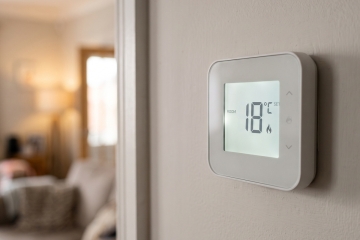
What temperature should your home be? Find out how a cold house may affect your health, who is most at risk and when to put the heating on.
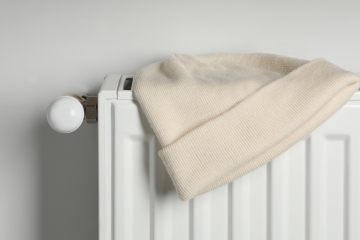
The amount of energy your home needs will depend on the property, the heating system, how well the house holds heat and how often each room is being used. A heating schedule that works for one household might be completely wrong for another.
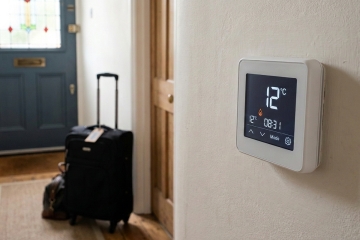
If you're going away during colder weather, leave the heating system powered and turn the thermostat down rather than switching the boiler off completely.

By signing up I agree to receive HeatandPlumb.com emails and to the privacy policy. I can also unsubscribe at any time