
0
£0.00
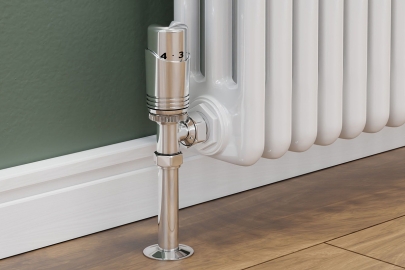
Did you know that your radiators might be wasting energy and money whilst leaving your home colder than necessary - and all due to completely avoidable reasons? With the cost of utilities increasing what seems like every few months in the UK, you don't need to be bleeding money on heating bills - especially when caused by poor radiator positioning and a lack of maintenance.
Plus, improving radiator efficiency doesn't always require replacement or professional intervention. Here are practical methods that genuinely work rather than gimmicks that promise miracles but deliver nothing.
Air trapped inside radiators prevents hot water circulating properly, creating cold spots at the top whilst the bottom stays warm. This dramatically reduces heat output because a portion of the radiator isn't actually functioning.
Bleeding releases trapped air through the bleed valve, allowing water to fill the entire radiator and restore full heat output. You'll need a radiator key (costs about £1), a cloth to catch drips, and five minutes per radiator.
Turn your heating on until radiators warm up, then turn it off. Open the bleed valve slowly whilst holding your cloth underneath - you'll hear hissing as air escapes. When water starts dripping out instead of air, close the valve immediately. That's it - you've bled the radiator successfully.
Do this at the start of each heating season minimum, or whenever you notice radiators developing cold spots at the top. Some systems accumulate air faster and need bleeding multiple times annually for optimal performance.
Radiators positioned behind furniture or curtains waste enormous amounts of energy heating objects rather than rooms. Heat rises from the radiator and gets absorbed by sofa backs, trapped behind curtains, or blocked by beds before it can circulate properly through living spaces.
Move furniture away from radiators - maintain at least 150mm clearance for adequate air circulation. Yes, this might compromise your preferred room layout, but the efficiency gain is substantial enough to justify rearranging.
Curtains that hang over radiators trap rising heat behind the fabric, directing it up the wall toward the ceiling rather than into the room. Shorten curtains to finish above radiator height or ensure they pull well clear when open during heating periods.
Even decorative radiator covers reduce efficiency by trapping and redirecting heat. If you must use covers for aesthetic reasons, choose designs with large ventilation gaps top and bottom that don't restrict airflow. Better yet, invest in attractive designer radiators that don't need covering at all - browse our radiator collections tailored to modern decor for options that look good uncovered.
Radiator reflector panels or aluminium foil behind radiators on external walls can reduce heat loss through walls, though effectiveness varies dramatically based on wall construction and insulation quality.
On uninsulated solid walls in older properties, reflectors make measurable difference by preventing radiated heat passing through walls to the outside. You might see 3-5% efficiency improvement in these situations, which translates to real savings over a heating season.
On modern cavity walls with proper insulation, reflectors achieve essentially nothing because minimal heat escapes through the wall anyway. You're solving a problem that doesn't exist, wasting money on materials that provide no benefit.
If you're going to use reflectors, ensure they sit flat against the wall with the reflective surface facing the radiator, maintaining an air gap between reflector and radiator back. Reflectors touching the radiator conduct heat through rather than reflecting it, defeating the entire purpose.
Old manual valves or broken TRVs prevent room-by-room temperature control, forcing you to heat the entire house uniformly even when different rooms need different temperatures.
Modern TRVs automatically regulate radiator output based on room temperature, closing down flow when rooms reach desired warmth and opening when temperatures drop. This prevents overheating whilst ensuring adequate heating when needed.
The investment is minimal - quality TRVs cost £10-20 each - whilst the efficiency gain from not overheating rooms adds up substantially over winter. Installation is straightforward if you're competent with basic plumbing, or a plumber can replace all your valves in a few hours.
Smart TRVs take this further with programmable schedules and smartphone control, letting you set different temperatures for different times automatically. They cost more (£30-60 each) but the convenience and additional efficiency might justify the premium.
Unbalanced systems send too much hot water to some radiators whilst starving others, creating hot rooms and cold rooms despite the boiler working hard. This wastes energy heating some areas excessively whilst failing to heat others adequately.
Balancing adjusts flow to each radiator so they all heat evenly and reach temperature simultaneously. It's fiddly and time-consuming but costs nothing except your time and genuinely improves system efficiency.
You'll need a radiator key, adjustable spanner for lockshield valves, and ideally a thermometer for measuring pipe temperatures. The process involves adjusting the lockshield valve on each radiator to restrict or allow flow until temperature differentials across all radiators are equal.
Instructions for balancing are detailed and beyond this article's scope, but the efficiency improvement justifies the effort. If you're not confident tackling it yourself, heating engineers can balance systems as part of annual servicing.
Dust and debris on radiator surfaces reduce heat transfer efficiency whilst sludge inside radiators restricts water flow and reduces effective heating surface area.
External cleaning is straightforward - vacuum between panels and fins to remove accumulated dust, then wipe surfaces with damp cloth. The dust layer acts as insulation, preventing heat radiating into the room effectively. Clean radiators genuinely heat better.
Internal sludge requires power flushing by professionals using specialised equipment to force cleaning chemicals and water through the system at high pressure. This removes rust particles, limescale, and debris that accumulate over years, restoring flow and heat transfer efficiency.
Power flushing costs £300-500 for a typical house but can improve efficiency by 10-15% in badly sludged systems. Not every system needs it - if your radiators heat evenly and quickly, internal cleaning probably isn't necessary.
Modern radiators aren't inherently more efficient at converting hot water to room heat - the physics hasn't changed. However, certain design improvements can deliver better performance in specific situations.
Convector radiators with internal fins create better air circulation than basic panel radiators of equivalent size, heating rooms faster and more evenly. The difference isn't huge but it's measurable.
Aluminium radiators heat up and cool down faster than steel equivalents, responding more quickly to thermostat demands. This reduces the overshoot where steel radiators continue pumping out heat after the room has reached temperature. The cumulative efficiency gain over a heating season can be 5-10%.
Vertical radiators in appropriate locations free up wall space whilst delivering equivalent heat output. This isn't directly an efficiency improvement, but better room layouts can reduce heat loss and improve comfort for the same energy input.
Smart heating controls deliver genuine efficiency improvements through better temperature management and scheduling rather than through physical radiator changes.
Programmable thermostats that reduce temperatures overnight and when you're out prevent wasting energy heating empty houses or maintaining full temperature whilst you're asleep under duvets. Even basic programming can reduce heating costs by 10-15% for typical households.
Zone control systems that heat different areas independently prevent wasting energy on unused rooms. Why heat spare bedrooms to full comfort temperature when nobody's using them?
Weather compensation adjusts boiler output based on outside temperatures, preventing the boiler working harder than necessary on milder days. This optimises efficiency across varying weather conditions rather than running full power constantly.
The technology costs money upfront - £100-300 for basic programmable controls, £500-1500 for comprehensive smart systems - but payback typically occurs within 2-5 years through reduced energy consumption.
At Heat and Plumb, we're honest about what actually improves heating efficiency versus what's mostly marketing hype. Two decades of customer feedback has taught us which interventions deliver real results and which disappoint despite promising dramatic savings.
We stock components that genuinely improve efficiency - quality TRVs, modern radiators, and proper valves - whilst avoiding gimmicks that sound clever but achieve little. Free delivery across most of the UK means you're not paying extra when ordering efficiency upgrades.
What distinguishes us is discussing your specific system and recommending improvements that actually make sense for your situation. Sometimes the answer is "your radiators are fine, invest in better controls instead" rather than pushing unnecessary replacements. We profit from selling products either way, so we've no incentive to recommend wrong solutions.

Realistic savings range from 10-20% on heating bills through implementing multiple efficiency improvements. Bleeding radiators alone might save 5%, removing furniture blockages another 5%, upgrading controls 10-15%. The percentages compound when you implement several improvements together.
No - implement what makes sense for your specific situation. If your radiators are already unblocked and bled, those improvements won't help. Focus on areas where your system currently falls short.
Bleed radiators annually at minimum, before each heating season starts. Check for furniture blockages whenever you rearrange rooms. Clean external surfaces 2-3 times annually or whenever visibly dusty.
Only if your current radiators are undersized for the room's heat loss. Installing larger radiators when existing ones are already adequate won't improve heating or efficiency - you'll just have more metal doing the same job.
Yes, there's no problem running old and new radiators on the same system provided they're all properly sized for their respective rooms and the system is balanced correctly.
No - electric radiators are actually less efficient than gas central heating because electricity costs roughly 3-4 times more per unit of heat than gas. They're convenient for rooms without central heating access but shouldn't be considered more efficient.
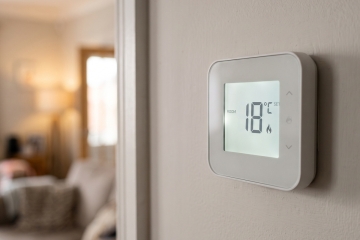
What temperature should your home be? Find out how a cold house may affect your health, who is most at risk and when to put the heating on.
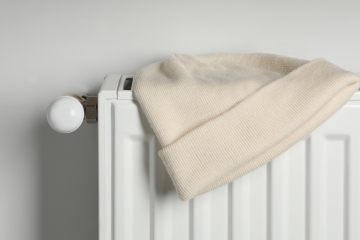
The amount of energy your home needs will depend on the property, the heating system, how well the house holds heat and how often each room is being used. A heating schedule that works for one household might be completely wrong for another.
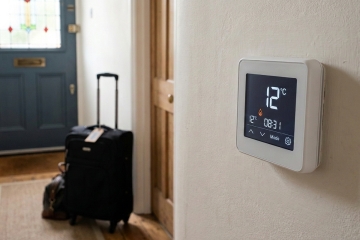
If you're going away during colder weather, leave the heating system powered and turn the thermostat down rather than switching the boiler off completely.

By signing up I agree to receive HeatandPlumb.com emails and to the privacy policy. I can also unsubscribe at any time