
0
£0.00
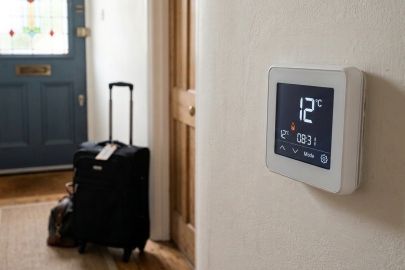
Leaving the house empty for a week or two raises an obvious question about the central heating, and the right call depends on the time of year you travel and the safety features built into your controls. Turning the boiler off completely might look like the easiest way to save energy, but doing so in winter leaves the plumbing exposed to freezing temperatures.
If you're going away during colder weather, leave the heating system powered and turn the thermostat down rather than switching the boiler off completely.
Turning a boiler off at the mains during winter cuts off its ability to protect itself against freezing temperatures. Modern boilers include a built-in frost protection setting, designed to automatically fire the system if the temperature around the appliance drops low enough, often below 5 degC, though the exact threshold varies by manufacturer.
This safety feature depends on the boiler having a constant supply of gas and electricity. Isolate the power at the fused spur or turn off the gas valve, and frost protection cannot activate, leaving internal components at risk of freezing.
It's worth knowing what this protection actually covers. A boiler's frost protection looks after the appliance and its immediate pipework, not every pipe in the house. A pipe running through an unheated loft or an exterior wall can still freeze even with the boiler's own protection working normally, which is why the thermostat setting below matters too.
Rather than shutting the system down, the safest approach is to leave the boiler active and turn the room thermostat down instead of switching it off. Setting it to between 10 degC and 12 degC keeps a low background warmth moving through the property, without paying to heat an empty house at full cost.
This won't necessarily reach every pipe. A thermostat measures the temperature where it's fitted, not conditions in a loft or inside an external wall, so particularly exposed pipework may still need extra protection, such as lagging or pipe insulation, regardless of what the thermostat is set to.
Many smart thermostats include a dedicated holiday mode that automates this, keeping the property at a low background temperature and returning to your normal schedule the day you fly back.
Even with the heating on a low setting, a severe cold snap can still overwhelm the lagging in unheated spaces such as lofts. If a pipe does split while nobody's home, an open mains supply will keep flooding the property until someone finds the leak.
Find your internal stopcock and shut off the incoming mains water before you head to the airport. This limits the mains supply feeding into the property, reducing how much water can escape from a burst pipe. It won't affect water already stored elsewhere in the system, such as a loft cold water tank or a hot water cylinder on an older, non-combi setup, so it's not a complete guarantee against flooding, just a way of limiting it.
Warmer weather removes the risk of frozen pipes, so it's generally safe to switch off the heating circuit entirely. The one exception is hot water: if someone's calling round to water the plants or check on the pets, leave the boiler running so they've got hot water on tap. We cover the specific rules for warmer months in our dedicated guide on whether you should switch your boiler off in the summer.
One more thing worth checking before you go: if you're leaving the property empty for an extended period, look at your home insurance terms too. Some policies attach conditions to unoccupied homes, particularly over the colder months, and it's worth knowing where you stand before you leave.

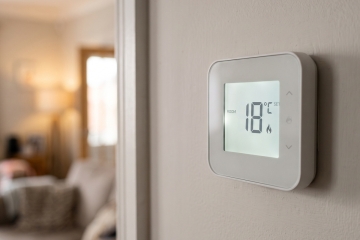
What temperature should your home be? Find out how a cold house may affect your health, who is most at risk and when to put the heating on.
The amount of energy your home needs will depend on the property, the heating system, how well the house holds heat and how often each room is being used. A heating schedule that works for one household might be completely wrong for another.
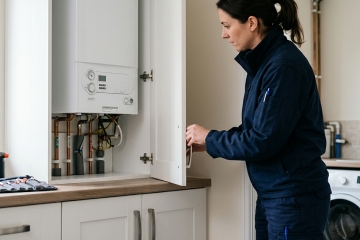
Heating systems sit idle or run on reduced settings throughout the summer. Switching the boiler back on for daily use in November can expose seized valves, trapped air, and pressure faults that developed unnoticed over the warmer months. Running a few simple checks in early autumn provides time to resolve faults before you rely heavily on the system.

By signing up I agree to receive HeatandPlumb.com emails and to the privacy policy. I can also unsubscribe at any time