
0
£0.00
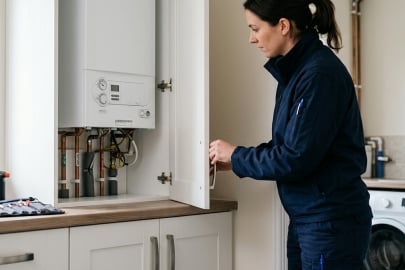
Heating systems sit idle or run on reduced settings throughout the summer. Switching the boiler back on for daily use in November can expose seized valves, trapped air, and pressure faults that developed unnoticed over the warmer months. Running a few simple checks in early autumn provides time to resolve faults before you rely heavily on the system. In most cases we have complete guides to help you with each task.
Turn the room thermostat up and run the heating long enough to verify the radiators warm up normally and the controls respond as expected.
Go around the house and cycle the valve on every radiator, turning it fully open and closed so the internal pins move freely. Thermostatic radiator valves manage the temperature of individual rooms by sensing the ambient air temperature. Don't force a valve that appears to be stuck; a seized valve may need attention from a heating engineer.
Air accumulates at the highest points in a heating circuit. A radiator staying cold at the top while the lower section gets hot indicates an air pocket restricting the water flow. Releasing this air, typically using a radiator bleed key, restores the full heating surface area. For the full step-by-step, see our guide on how to bleed a radiator.
A radiator that is cold at the bottom can have several causes, including sludge or restricted circulation. Bleeding it is unlikely to solve the problem, and you may need a heating engineer to investigate the blockage.
Sealed central heating circuits rely on a specific water pressure to circulate heat. Many sealed systems operate around 1 to 1.5 bar when cold, but the correct figure depends entirely on the boiler model, so refer to the appliance manual supplied for the target pressure.
A pressure reading below the manufacturer's recommended range may cause the boiler to display a fault or stop operating. If the pressure keeps falling after the system has been topped up, there may be an underlying fault or water loss that needs investigating. Repeated pressure loss requires a qualified heating engineer to trace the fault. Do not remove the boiler casing to look for internal leaks yourself.
Copper and plastic pipes routed through unheated lofts, garages, and external voids are highly vulnerable to freezing. Water freezing inside these runs expands, which can stress and damage the pipe walls and joints. Fitting foam or nitrile rubber insulation around the pipework reduces heat loss and creates a thermal barrier.
Inspect existing lagging to confirm it wraps tightly around the pipe and fully covers elbows and tee joints, with no gaps where sections meet. Modern condensing boilers also discharge acidic water through a plastic condensate pipe, so make sure any external run is adequately lagged according to the boiler manufacturer's instructions to prevent it from freezing and locking out the boiler.
Colder external temperatures cause steam from showers to condense faster on bathroom tiles, windows, and mirrors. With windows kept shut to retain heat, mechanical extraction handles the full workload of removing airborne moisture.
Dust and airborne lint stick to the extraction grille and wrap around the internal blades, restricting the volume of air the motor can move. Clearing the grille and blades according to the manufacturer's instructions restores the airflow. If the fan needs a deeper clean, our guide on how to clean a bathroom extractor fan walks through it safely. With the fan running, hold your hand near the grille to feel whether air is being drawn in, and listen for it sounding and operating normally.
Booking a boiler service before the heating season begins allows an engineer to assess the appliance's safety and mechanical condition. Work on a gas boiler can only be legally carried out by a Gas Safe registered engineer. Our guide on how often a boiler should be serviced covers typical intervals and what's included.
The exact service procedure depends on the specific appliance. Many manufacturers recommend an annual service, but servicing requirements vary by appliance. Consult your specific manufacturer's instructions and warranty terms, as regular servicing by a qualified engineer is often a strict requirement for maintaining your warranty coverage.
Running the boiler for a test cycle reveals obvious mechanical faults while engineers still have availability in their schedule. Listen for unusual noises coming from the pump, motorised zone valves, or pipework. Inspect the visible heating connections under radiators for small drips.
If you notice recurring pressure drops or intermittent faults, write down the date and gauge reading in a notebook or on your phone. Documenting these issues gives the attending heating engineer an accurate record of the fault pattern.
External plumbing fixtures face the same freezing risks as loft pipework. Outside taps left full of water can freeze, potentially cracking the brass body. Isolating the water supply to the tap from the inside stopcock and draining the remaining water from the outside valve reduces this risk, provided your internal plumbing allows for it.
Take time to locate the main internal stopcock and make sure the handle moves freely. Shut off the incoming mains water by turning the brass spindle clockwise, then open it fully and back it off a quarter turn to prevent the mechanism from seizing.

While many homeowners bleed their radiators every autumn as routine maintenance, the recommended advice is to only do so when trapped air is suspected - typically indicated by a cold patch at the top of the panel. Bleeding a system that has no air will only drop your boiler pressure and unnecessarily introduce fresh, corrosive oxygen into the system.
Once the heating is running, pressure typically rises to around 2 to 2.5 bar before settling back as the system cools. If the gauge needle sits in a red zone at either end, look up the appliance manual before assuming a fault.
Using a thermostat and timer to heat the home when needed is more efficient than leaving the heating on around the clock. Modern systems utilise frost protection settings to help prevent freezing when the main heating cycle is off.
Pipes near air bricks, in garages, and under sinks on external walls are often missed even when loft pipework is well lagged, so give these spots a look too. Leaving cupboard doors open on very cold nights lets warm room air reach the pipework inside.
Extractor fans with an overrun timer, required in bathrooms without an opening window, keep running for several minutes after the light switches off to finish clearing the moist air. Avoid switching off at the wall before that cycle ends.
Most warranties are conditional on it, though the exact interval is set by the manufacturer rather than any single rule. A typical visit covers the flue, burner, heat exchanger, and condensate system, finishing with a written record for your files.
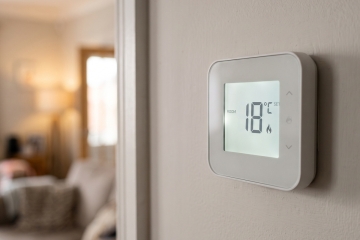
What temperature should your home be? Find out how a cold house may affect your health, who is most at risk and when to put the heating on.
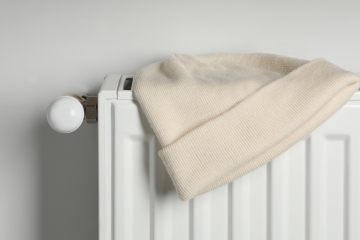
The amount of energy your home needs will depend on the property, the heating system, how well the house holds heat and how often each room is being used. A heating schedule that works for one household might be completely wrong for another.
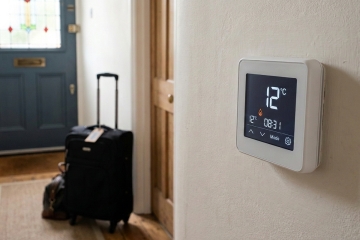
If you're going away during colder weather, leave the heating system powered and turn the thermostat down rather than switching the boiler off completely.

By signing up I agree to receive HeatandPlumb.com emails and to the privacy policy. I can also unsubscribe at any time