
0
£0.00
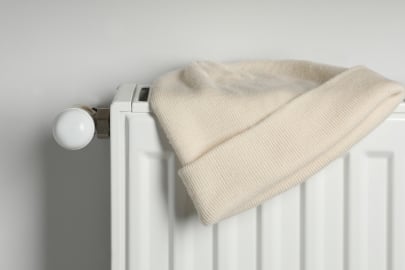
To lower heating costs this winter, start by checking your heating system, matching the heating schedule to when your home is occupied, using TRVs to control individual rooms and reducing avoidable heat loss.
The amount of energy your home needs will depend on the property, the heating system, how well the house holds heat and how often each room is being used. A heating schedule that works for one household might be completely wrong for another.
Before you start making big changes, it is worth looking at how your heating is actually being used.
If your heating has barely been used over the summer, turn it on and check the radiators before you really need it.
Each radiator should warm up properly. If one is cold at the top, there may be trapped air inside and it could need bleeding. Our guide to how to bleed radiators and why explains how to do this safely.
Cold spots lower down are different. They can be caused by restricted circulation or deposits inside the radiator, so bleeding will not necessarily solve the problem.
It is also worth checking the thermostatic radiator valves. A valve that has been left untouched for months can sometimes stick, which means the radiator may not respond when you change the setting.
A bedroom that is empty for most of the day does not need the same amount of heat as a living room that is being used constantly.
TRVs allow you to control individual radiators, so you can reduce the heat in rooms that are used less while keeping the main living areas warmer.
This is particularly useful in homes where different rooms are used at different times. A spare bedroom may need very little daytime heating, while someone working from home could need their office to stay comfortable for several hours.
Our range of radiator valves includes TRVs designed for this type of control.
There is a sensible limit, though. In a cold or poorly insulated house, allowing rooms to become very cold can increase the chance of condensation and damp, particularly where there is little airflow.
The cheapest heating schedule for one household may not be the cheapest for another.
If everyone leaves the house in the morning, there is little point heating every room throughout the day. The same schedule makes less sense if someone works from home or spends most of the day in the property.
Start with when the house is actually occupied and work from there.
You may find that the heating needs to come on before people get up, drop back while the house is empty and come on again later in the day. The exact times will depend on how quickly your home warms up and how quickly it loses heat.
Smart thermostats can make this easier to manage, particularly if your routine changes during the week. They are not essential, though. A conventional programmer combined with TRVs can still give you a good level of control.
Turning the heating off when nobody is home will use less energy than keeping it running, but that does not mean it is always the best choice for every property.
A modern, well-insulated home may stay warm for quite a while after the heating goes off. An older, draughtier house can lose heat much faster.
There is also the risk of freezing temperatures in very cold weather, particularly where pipework runs through lofts, garages or other exposed areas.
For longer periods away in winter, frost protection may help. Many modern boilers have a frost protection function, but the exact protection varies between manufacturers and it still depends on the boiler having power and the required fuel supply.
Check the boiler instructions rather than assuming the system will protect every pipe in the property.
Your boiler may also be worth a closer look.
Modern condensing boilers can operate efficiently at lower central heating flow temperatures, but the right setting depends on the system and the property. Check the manufacturer's guidance before making changes.
The room thermostat deserves attention too. If it is positioned beside a radiator, in direct sunlight or behind furniture, the temperature reading may not accurately reflect the rest of the room.
That can affect when the heating switches on and off.
If heat is escaping through gaps around doors and windows, your heating system has to work harder to maintain the temperature.
Start with the obvious places. Check around external doors, window frames, letterboxes and other areas where you can feel a draught.
Curtains can help reduce heat loss through windows, particularly once it gets dark, while loft insulation is worth checking in older properties where insulation may be poor or missing.
You do not have to tackle every source of heat loss at once. Finding the areas where warm air is actually escaping is a sensible place to start.
An annual boiler service is not a guarantee of lower heating bills, but keeping the boiler maintained helps make sure the system is operating properly.
A Gas Safe registered engineer can check the boiler and identify faults or other problems before they become more serious. Having it serviced before the heating is needed every day also means you are less likely to discover a problem when temperatures drop.
If an older boiler has become unreliable or needs increasingly frequent repairs, it may also be worth looking at whether continued repairs still make financial sense.
Never attempt to service or repair a gas boiler yourself. Gas work should only be carried out by a qualified Gas Safe registered engineer.

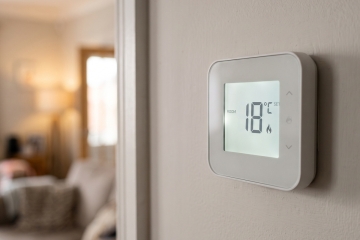
What temperature should your home be? Find out how a cold house may affect your health, who is most at risk and when to put the heating on.
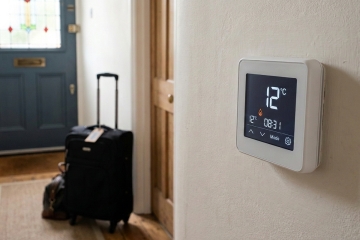
If you're going away during colder weather, leave the heating system powered and turn the thermostat down rather than switching the boiler off completely.
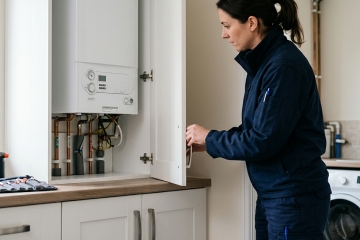
Heating systems sit idle or run on reduced settings throughout the summer. Switching the boiler back on for daily use in November can expose seized valves, trapped air, and pressure faults that developed unnoticed over the warmer months. Running a few simple checks in early autumn provides time to resolve faults before you rely heavily on the system.

By signing up I agree to receive HeatandPlumb.com emails and to the privacy policy. I can also unsubscribe at any time