
0
£0.00
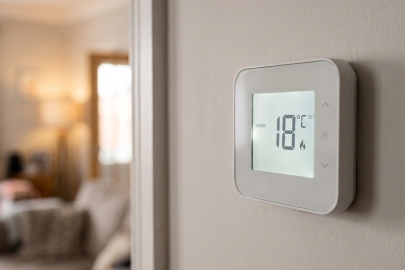
Radiator sales on HeatandPlumb.com jumped 67% between 31 August and 30 September 2026, compared with the month before. Plenty of people clearly start thinking about the cold early, but is a chilly house actually bad for you?
Public Health England looked at the evidence in 2014. It found that heating a home to at least 18°C poses minimal risk to the health of a sedentary person in suitable clothing. Below that, blood pressure and the risk of blood clots may rise.
We're a heating retailer, not doctors, so this is general information rather than medical advice. If you're worried about your health or someone else's, speak to a GP.
The review landed on at least 18°C as a sensible minimum. Its authors are upfront that the evidence behind a precise cut-off is limited, and many of the studies were small or lab-based.
| Temperature | What the research and guidance say |
|---|---|
| 21°C | Earlier Cold Weather Plan guidance suggested this for living rooms. A study of people with COPD linked more hours at or above 21°C in the living room with better respiratory symptom scores. |
| 18°C | Heating to at least this level poses minimal risk for a sedentary person in suitable clothing. Earlier guidance also suggested 18°C for bedrooms. |
| Below 18°C | Negative health effects may occur, such as higher blood pressure and a greater risk of blood clots. A Scottish survey found higher odds of high blood pressure in homes below 18°C. |
| Below 16°C | The same Scottish survey found the risk of high blood pressure rose further below 16°C. |
| Below 12°C | A study of children with asthma found lung function was most affected at indoor temperatures below 12°C. |
| 16°C to 20°C | The range advised for rooms where babies sleep, quoted in the review from the Lullaby Trust. |
Here's what the studies found:
Homes below about 18°C are linked with a higher risk of raised blood pressure.
Small lab studies found cold raised clotting risk in healthy people sitting still in minimal clothing. One put the starting point at around 18°C.
PHE says the rise in blood pressure and clotting risk below 18°C may lead to heart attacks and strokes.
People with COPD had better symptom scores in warmer living rooms. In a study of children with asthma, colder bedrooms had the strongest link with poorer lung function.
The 18°C mark matters most for people over 65 and anyone with a pre-existing medical condition, and the review suggests slightly more warmth may help them. In the studies, older people felt the effects of cold more strongly and took longer to recover. They may also be less able to notice they're cold, so the heating can go up later than it might.
Healthy people aged 1 to 64 who are active and wearing appropriate clothing may feel comfortable at indoor temperatures slightly below 18°C during the day
Babies are the odd one out. The review quotes Lullaby Trust advice of 16°C to 20°C for rooms where infants sleep.
There's no single date. It depends on who's at home, the weather and how the house feels. Once it's dropping below 18°C, the level PHE links with minimal risk, that's a good sign to switch it on, and earlier if someone is over 65 or has a health condition.
Homeserve looked at ten years of Met Office data (2015 to 2024) and worked out when outdoor temperatures first fell below 15.5°C for three days running. That date landed between 1 and 21 September. It's a modelled estimate, not a record of when people actually turned their heating on, but it lines up with the radiator sales jump at the top of this article. Their research is here: https://www.homeserve.co.uk/about/homeserve-media-centre/new-research-reveals-exact-date-to-turn-the-heating-on
Getting to 18°C is easier when the heat stays in the house. A few checks:
It's on the cold side. That's below the 18°C minimum PHE links with minimal risk, and a Scottish survey found the risk of high blood pressure rose further in homes below 16°C. If anyone in the house is over 65 or has a health condition, aim higher. Babies' rooms are the exception, as above.
For healthy people aged 1 to 64 with enough bedding and clothing, it can be. The review says 18°C overnight matters less for them. For over-65s and anyone with a pre-existing condition, it suggests keeping the house at 18°C overnight may help protect them. If a baby sleeps in the house, check their room stays within the range above.
Source: Public Health England, Minimum home temperature thresholds for health in winter: a systematic literature review (2014): https://assets.publishing.service.gov.uk/media/5c5986f8ed915d045f3778a9/Min_temp_threshold_for_homes_in_winter.pdf

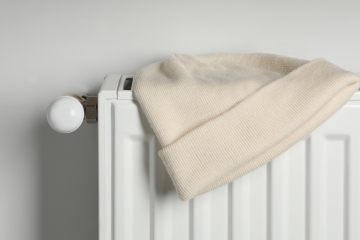
The amount of energy your home needs will depend on the property, the heating system, how well the house holds heat and how often each room is being used. A heating schedule that works for one household might be completely wrong for another.
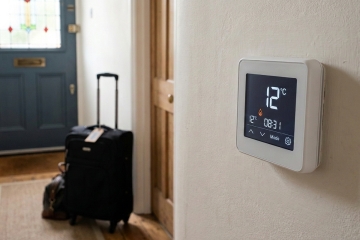
If you're going away during colder weather, leave the heating system powered and turn the thermostat down rather than switching the boiler off completely.
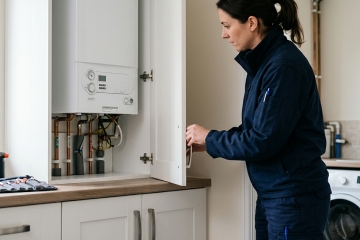
Heating systems sit idle or run on reduced settings throughout the summer. Switching the boiler back on for daily use in November can expose seized valves, trapped air, and pressure faults that developed unnoticed over the warmer months. Running a few simple checks in early autumn provides time to resolve faults before you rely heavily on the system.

By signing up I agree to receive HeatandPlumb.com emails and to the privacy policy. I can also unsubscribe at any time