
0
£0.00
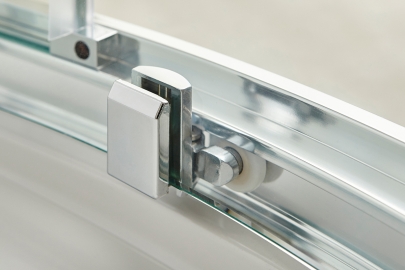
Shower enclosures aren't cheap, so knowing how long they should actually last helps you determine whether you're looking at normal wear or premature failure.
The answer varies massively depending on materials, quality, usage patterns, and maintenance. Here's what you can realistically expect and what affects longevity. Let's take a look.
Different types of shower enclosures come with different lifespans - and it's often down to components. After all, the enclosure isn't a single item but multiple components that age differently. Glass panels typically last 15-20 years or longer if they're decent quality and don't suffer impact damage. Toughened safety glass doesn't deteriorate with age - it either stays intact or shatters completely if struck hard.
Frame materials and door mechanisms have shorter lifespans. Aluminium frames last 10-15 years before corrosion becomes visible, though cheaper powder coating fails sooner. Chrome-plated brass fittings can last 15+ years whilst cheaper chrome-plated plastic might show wear within 5-7 years.
Seals and gaskets are the shortest-lived components, typically needing replacement every 5-10 years as they harden, split, and lose effectiveness. Door rollers and hinges might last 10 years with light use but fail sooner in busy family bathrooms where they're operating constantly.
Budget enclosures from DIY sheds might cost £150-200 but don't expect them to last a decade. Thin glass (4-5mm), flimsy frames, and basic plastic components mean you're looking at 5-8 years maximum before things start failing noticeably.
Mid-range enclosures from established bathroom brands typically deliver 10-15 years of reliable service. Thicker glass (6-8mm), better quality frames, and proper metal components justify the £300-600 price point through genuine durability.
Premium enclosures with frameless designs, 10mm glass, and high-quality hardware can easily exceed 20 years. You're paying £800-1500+ but getting components engineered for longevity rather than just meeting minimum standards.
A guest ensuite used occasionally will see its enclosure last significantly longer than the main family bathroom where multiple people shower daily. The mechanical components simply experience less wear with lighter use.
Hard water areas accelerate deterioration through limescale buildup that damages seals, clogs door mechanisms, and etches glass over time. Regular descaling extends lifespan but can't completely prevent the gradual damage hard water causes.
Rough handling shortens life considerably. Slamming doors, hanging towels on handles, or kids swinging on frames all stress components beyond their design specifications, causing premature failures.
Water leaking around door seals or at the base indicates deteriorating gaskets that need replacing. If replacement seals don't solve it, the frame itself might have warped or the door alignment has shifted permanently.
Doors that won't close properly, stick, or require excessive force suggest worn rollers, corroded tracks, or damaged hinges. These components can often be replaced individually without changing the entire enclosure.
Visible corrosion on frames, particularly around fixings and joints, shows the protective coating has failed. Once corrosion starts, it accelerates rapidly and can't be stopped, only temporarily slowed.
Cracked or chipped glass must be replaced immediately as it compromises structural integrity. Toughened glass can spontaneously shatter if damaged, creating genuine safety risks.
Regular cleaning prevents limescale and soap scum buildup that damages seals and mechanisms. Use appropriate non-abrasive cleaners and wipe down after use rather than letting deposits harden.
Lubricating door mechanisms annually with silicone spray keeps rollers and hinges operating smoothly. Most people completely ignore this until components fail, when simple maintenance would have prevented problems.
Inspect and replace worn seals promptly rather than waiting for leaks to develop. New seals cost £10-30 and take minutes to fit, whilst water damage from leaking seals costs substantially more to repair.
Check wall fixings periodically ensuring they haven't loosened. Bathroom humidity can corrode fixings or soften plasterboard, causing enclosures to become unstable over time.
Individual component failures like worn seals, broken handles, or failed rollers warrant repair if the enclosure is otherwise sound. Replacement parts for quality brands remain available for years and cost far less than new enclosures.
Multiple simultaneous failures or structural problems like warped frames suggest the entire enclosure has reached the end of its useful life. Repairing one issue when several others are imminent just delays the inevitable.
If your enclosure is over 15 years old and showing wear, replacement often makes more sense than investing in repairs. Modern designs offer better water containment, easier cleaning, and improved aesthetics that add value beyond just functionality.
Discontinued models where replacement parts are unavailable force replacement even for minor failures. This particularly affects budget brands that don't maintain long-term parts availability.
Frameless enclosures eliminate the corrosion issues associated with metal frames and often last longer as a result. The thicker glass (8-10mm) required for frameless designs is inherently more durable, though obviously more expensive if it does need replacing.
Framed enclosures with quality aluminium frames and proper powder coating last well in typical bathroom environments. Cheap frames with thin coating deteriorate quickly, particularly around fixings where water penetrates.
Sliding door mechanisms generally need more maintenance and have more components that can fail compared to simple hinged doors. However, they work better in tight spaces where hinged doors aren't practical.
At Heat and Plumb, we've watched bathroom trends evolve over 20+ years whilst certain fundamentals remain constant - quality components last longer than cheap ones, and proper installation matters as much as the product itself. We deliberately stock enclosures across price points because sometimes budget constraints are real, but we're honest about what longevity you can expect at different price levels.
Our free delivery across most of the UK means the enclosure price you see is what you pay, without surprise transport charges that can add £50-100 to your order. We work with manufacturers who maintain parts availability and honour warranties properly rather than disappearing after a couple of years.
What sets us apart is straight talk about realistic lifespans and repair viability. If your 15-year-old enclosure needs £150 worth of parts, we'll honestly tell you whether repair makes sense or if you're just postponing inevitable replacement. Sometimes the answer isn't what you want to hear, but it's better than wasting money on futile repairs.
Considering replacement? Explore our modern upgrades for bathroom renovations and experience the Heat and Plumb difference today.

Any crack, chip, or shatter pattern in toughened glass requires immediate replacement as it's compromised structurally and could fail catastrophically. Surface scratches or minor marks are cosmetic unless they're deep enough to weaken the glass noticeably.
Yes, if the rest of the enclosure is sound and you can find compatible replacement doors. Doors are often available separately for common enclosure sizes and brands, making this a viable repair option.
Poor installation is the leading cause - improper sealing, inadequate wall fixings, or misalignment that stresses components from day one. Even quality enclosures fail quickly when installed incorrectly.
It depends on what's failed and the enclosure's overall condition. If it's just worn seals or a broken roller on an otherwise excellent enclosure, repair makes complete sense.
They often do because there's no frame to corrode or coating to fail. The thicker glass required for frameless designs is also more durable. However, the hinges and fixings still corrode over time in hard water areas.
Inspect seals annually and replace them when you notice hardening, gaps, or water leaking past them. This typically occurs every 5-10 years depending on water quality and usage.
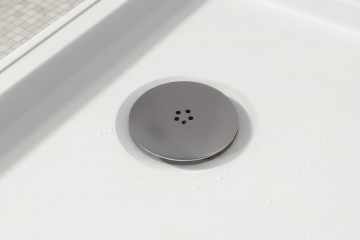
Learn about shower tray waste types, sizes, traps and flow rates, with practical advice on choosing a compatible replacement.
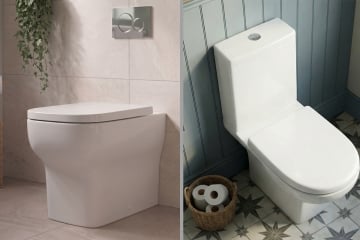
Learn how cable and pneumatic toilet flush buttons work, how to identify your mechanism and what to check before buying a replacement.
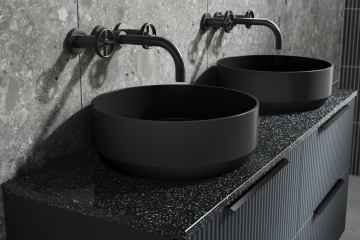
Selecting a basin for a vanity unit requires careful consideration of physical compatibility and plumbing clearances, not just aesthetic appeal. Ensuring the dimensions, mounting style, tap placement, and waste configuration align will prevent installation issues.

By signing up I agree to receive HeatandPlumb.com emails and to the privacy policy. I can also unsubscribe at any time