
0
£0.00
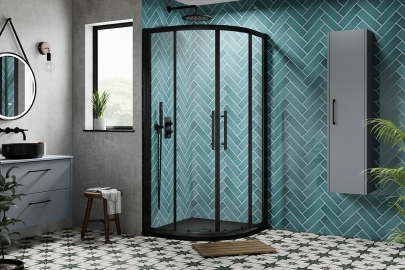
If you've been shopping for a new shower, you've probably noticed these terms getting thrown around like everyone knows exactly what they mean. Enclosure, cubicle, same thing, right?
Not quite. There's actually a proper difference, though plenty of people (and websites) use them interchangeably, which doesn't help anyone. Let's break it down.
A shower enclosure is the glass panels and door that keep water in your shower area. That's it. Just the screen bit. You provide everything else - the tray, the walls, the actual shower. The enclosure just defines the space and stops water spraying everywhere.
A shower cubicle, on the other hand, is a complete unit. You get the tray, the walls, the door, sometimes even the shower itself. It's an all-in-one package that you can basically plonk into position.
Think of it like this: an enclosure is an ingredient, a cubicle is the finished dish.
Enclosures give you genuine flexibility when it comes to design choices. You can pick exactly the tray you want - stone resin, acrylic, whatever suits your budget and style. Your walls can be tiled, panelled, or whatever you fancy, and the enclosure just fits around what you've built.
This approach works brilliantly if you're doing a full bathroom renovation and want everything to match your vision - or if you've got an awkward space that needs a custom solution.
The downside is that it's more work. You're coordinating multiple purchases, making sure dimensions match, probably getting a tiler involved. More moving parts also means more that can go wrong.
Cubicles are for people who want straightforward installations where everything's designed to work together from the factory, so you know it'll fit. They're particularly good for smaller bathrooms or ensuites where space is tight too - many cubicles are actually designed specifically for compact spaces, such as quadrant ones that tuck into corners, or offset designs that maximise useable shower space.
Installation is generally quicker with a cubicle too. One delivery, one set of instructions, done. Well, assuming you're handy with basic plumbing and DIY. If not, you're calling someone in either way.
The compromise is less choice. You get what comes in the box. If you don't love the included tray or the door style doesn't quite match your bathroom aesthetic, tough luck.
When it comes to aesthetics, enclosures tend to look more high-end, especially when you've paired them with quality tiles and a premium tray. There's something about a frameless glass enclosure in a beautifully tiled shower that just works. You can choose premium materials, get the exact glass thickness you want, pick fancy hardware. The sky's the limit, budget permitting.
Cubicles have improved massively in recent years - they're not all plasticky and cheap-looking anymore. But there's still often a visible frame, standard fixtures, that kind of thing. They lean more towards functional rather than luxurious.
That said, if you're working with a tight budget, a decent cubicle often looks better than a cheap enclosure with nasty plastic trays and thin glass.
If your bathroom is on the smaller side, cubicles win - they're designed as complete units, and manufacturers make them in loads of shapes and sizes specifically for tricky bathrooms.
Need something for a corner that's not quite square? There's probably a cubicle for that. Got a weird alcove? Cubicle. Limited height? Cubicle.
Enclosures need proper flat walls and a level floor. If your bathroom's a bit wonky (as older houses in the UK often are), you'll spend time and money getting things square and level before you can even fit the enclosure.
Installing an enclosure properly isn't rocket science, but it does need care. You're drilling into tiles (scary), making sure everything's plumb and level, and sealing multiple joints. Get one measurement wrong and you've potentially got water leaking out.
Cubicles are meant to be easier since they usually come with detailed instructions and everything's pre-cut to size - but you still need to connect the plumbing and seal it properly, although there's less room for error.
Though honestly, neither is a weekend job unless you really know what you're doing. Most people end up getting a professional in for either option.
Generally speaking, cubicles are cheaper because you're buying in bulk, essentially - the manufacturer's made everything at once, which keeps costs down. A basic quadrant cubicle might run you £200-400. A comparable enclosure, plus tray, plus tiling, plus installation? You're easily looking at double that, sometimes more.
At the high end, enclosures can be incredibly expensive too. Custom frameless glass, fancy door mechanisms, premium tray materials - it can add up fast.
If you're renovating completely and want something that looks fantastic, go for an enclosure. You'll get exactly what you want and it'll add real value to your home. This does mean you'll need to think about different shower door types - sliding, pivot, hinged - since the door style affects both how much space you need and the overall look.
If you need a quick bathroom refresh, working with a tight budget, or dealing with an awkward space, a cubicle makes more sense. They're practical, affordable, and they get the job done.
In short, there's no wrong answer here. It depends entirely on what your bathroom needs, what you can spend, and how much effort you want to put into the project.
Whether you're after a complete cubicle or building a custom enclosure setup, we at Heat and Plumb stock over 30,000 products from well-known brands alongside our exclusive ranges. That means you'll find space-efficient options for smaller bathrooms as well as premium enclosures for larger renovations.
We offer free delivery to most of the UK, which makes budgeting easier when you're buying multiple components for an enclosure setup. Our pricing is often more competitive than larger retailers because we've spent 20 years building relationships with suppliers.
Not sure which approach suits your bathroom best? Our technical sales team can talk you through the options based on your specific space and requirements.

Not really. Cubicles are designed as complete units with integrated walls and trays. If you wanted to switch to an enclosure, you'd essentially be ripping everything out and starting from scratch - removing the cubicle walls, possibly replacing the tray, preparing walls for tiling. You're better off choosing the right option from the start.
Yes, shower cubicles are designed to be watertight as complete units. The walls, tray, and door are all manufactured to work together and prevent water escaping. However, you still need to seal them properly where they meet your bathroom walls and floor. No shower solution is completely waterproof without proper installation and sealing.
Enclosures with tiled walls typically last longer - decades if maintained properly. The glass and hardware might need replacing eventually, but tiled walls are very durable. Cubicle acrylic walls can scratch and discolour over 10-15 years. That said, a well-maintained cubicle still gives you many years of use, and they're much cheaper to replace entirely if needed.
If you're comfortable with basic DIY and plumbing, yes. Most cubicles come with detailed instructions and are designed for self-installation. You'll need to connect the waste, seal the edges, and make sure everything's level. The main challenge is usually manoeuvring the components into your bathroom and getting them positioned correctly. If you're not confident, a bathroom fitter can install one in a few hours.
Cubicles are often better for small bathrooms because manufacturers design them specifically for compact spaces. Quadrant cubicles fit neatly into corners, and offset designs maximise useable space. Enclosures can work in small bathrooms too, but you need to carefully plan the layout and make sure you've got room for all the separate components.
No, neither shower enclosures nor cubicles require planning permission in the UK. They're considered internal alterations to your home. However, if you're in a listed building or conservation area, you might need listed building consent for significant bathroom alterations. Check with your local planning authority if you're unsure.
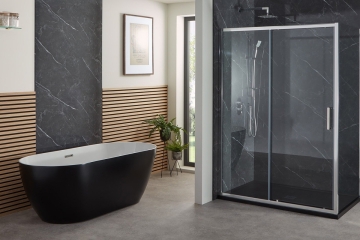
Shower door selection determines how you access your shower daily, how much space the bathroom loses to door swing, and whether you're fighting with mechanisms or enjoying smooth effortless operation.
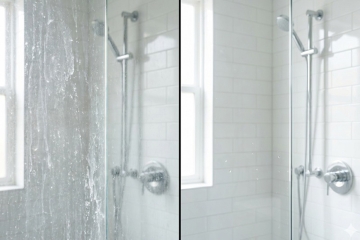
That cloudy white haze covering your shower glass isn't dirt, grime, or evidence of inadequate cleaning. It's limestone, deposited molecule by molecule through thousands of shower cycles, now bonded to the glass with chemistry that laughs at your spray bottle. Standard bathroom cleaners target soap scum and body oils; hard water deposits are minerals requiring completely different chemistry. You can scrub until your arm aches - the stains aren't budging through force alone. Here's what actually works.
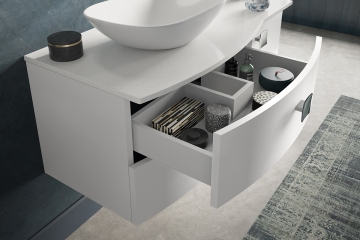
Painting your bathroom vanity transforms its appearance for a fraction of replacement costs, but doing it properly requires specific techniques that differ from painting ordinary furniture. Bathrooms create challenging conditions with humidity, temperature fluctuations, and constant contact with water that destroy poorly executed paint jobs within months. Here's how to achieve results that actually last.

By signing up I agree to receive HeatandPlumb.com emails and to the privacy policy. I can also unsubscribe at any time