
0
£0.00
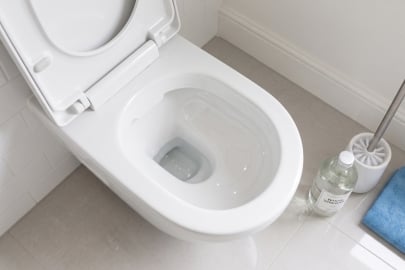
Yellow stains in a toilet bowl usually appear because of hard water mineral buildup, limescale deposits, and urine scale sitting below the waterline. Calcium and magnesium in hard water dry onto the ceramic surface, creating a rough texture that traps pigmented waste and bacteria over time. Treating the underlying mineral deposit rather than just bleaching the colour is the most reliable way to clear the pan.
Yellow discoloration is commonly caused by a combination of hard water minerals and organic waste clinging to the ceramic glaze. Bleach can help with some organic staining, but it won't dissolve limescale. If the yellow mark is sitting on top of a hard mineral deposit, removing the scale is usually more effective than bleaching the stain.
Breaking down yellow limescale in a toilet bowl relies on using an acidic cleaner to break down the mineral deposit. Abrasive scouring pads should be avoided as they can scratch the glazed surface, creating tiny imperfections where limescale and dirt can collect.
| Stain cause | Recommended remover | When to use it |
|---|---|---|
| Light limescale buildup | White vinegar | Light deposits and regular maintenance |
| Heavy urine scale | Dedicated acidic toilet descaler | Thick, crusty deposits below the waterline |
| Waterline rings | Suitable acidic limescale remover | Rings caused by mineral deposits around the waterline |
Yes, white vinegar effectively removes yellow toilet stains because its acetic acid content naturally breaks down the calcium carbonate present in limescale and urine scale. Pouring a cup of white vinegar into the bowl and leaving it overnight softens the mineral deposits, making them easy to scrub away the next morning without relying on harsh industrial chemicals.
Preventing yellow limescale in a toilet bowl involves stopping mineral deposits from hardening onto the ceramic surface in the first place. Regular light maintenance helps stop hard water deposits building up.
Your toilet likely stains quickly because the ceramic glaze has been scratched by harsh cleaning chemicals, pumice stones, or abrasive scouring pads. These microscopic scratches provide a rough surface for limescale and urine scale to grip onto. Living in a very hard water area also accelerates the speed at which mineral deposits form on the bowl.
Yellow stains are rarely a plumbing fault on their own, but they can highlight underlying mechanical issues. A continuously running overflow, a faulty flush valve, or a partial blockage in your soil pipe can leave water sitting or trickling in the bowl, giving minerals more time to crystallise into yellow limescale.
Heavy yellow limescale and urine scale can become increasingly difficult to remove if left untreated. Thick deposits can build up around the trap and outlet in severe cases, which may affect flushing performance. Regular cleaning helps prevent mineral deposits from becoming firmly established.

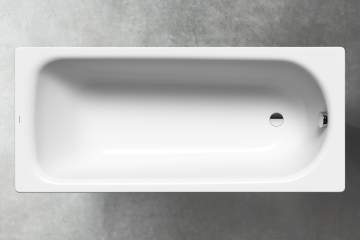
A common reason buyers hesitate over steel baths is the fear that the water will go cold quickly, or that the surface will chip if something is dropped on it. In practice, modern enamelled steel behaves differently from acrylic and has some useful advantages, particularly where rigidity and durability matter.
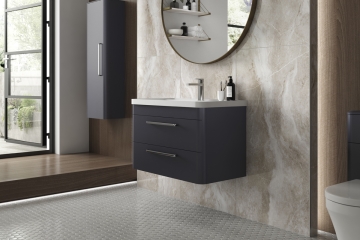
Wall hung vanity units can be installed securely in almost any UK bathroom, provided the underlying wall structure, chosen fixing method and total load are properly assessed. Success relies entirely on understanding what is holding the furniture up, rather than hoping a standard set of wall plugs will hold the weight.
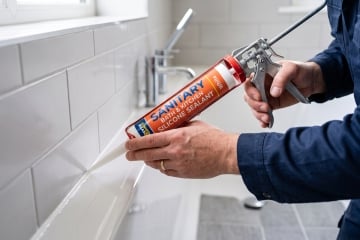
Mouldy or peeling sealant around a bath or shower tray is a common problem that can lead to hidden water damage if ignored. Replacing bathroom silicone is a manageable job, provided the old material is removed entirely and the surfaces are prepared correctly before applying a fresh bead.
By signing up I agree to receive HeatandPlumb.com emails and to the privacy policy. I can also unsubscribe at any time