
0
£0.00
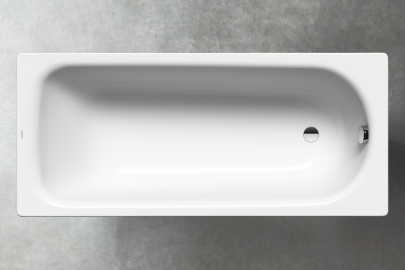
A common reason buyers hesitate over steel baths is the fear that the water will go cold quickly, or that the surface will chip if something is dropped on it. In practice, modern enamelled steel behaves differently from acrylic and has some useful advantages, particularly where rigidity and durability matter.
Yes. Steel baths provide a highly durable, rigid and scratch-resistant option for a busy bathroom. While they are heavier than acrylic equivalents, their solid construction makes them a reliable long-term choice, particularly when the bath doubles as a primary shower.
Modern steel baths are manufactured from pressed steel, which is then coated with a layer of vitreous enamel and fired at high temperatures to create a hard, durable surface.
This construction method results in an incredibly rigid structure. If a shower is being fitted over the bath, the standing area will not flex or creak underfoot. The rigid construction means there is very little movement when the bath is correctly supported, levelled and installed, which helps provide a stable surface for the bath-to-wall seal. If your current bath has dropped and caused a leak, our guide on how to replace bathroom silicone explains the correct way to fix it).
The enamel surface is hard and resistant to everyday scratching and staining, although it should still be cleaned using products recommended by the manufacturer. Enamel is also resistant to UV light, meaning the surface will not discolour or turn yellow over time. Heavy impacts can chip or crack the enamel, exposing the steel beneath and potentially allowing corrosion to develop.
The most frequent question asked about steel is whether it keeps the water hot.
Steel conducts heat readily, so the bath surface can initially feel cold when the room is cool and the bath is first filled. Some heat from the water will also be transferred into the bath itself.
How quickly the water cools depends on more than the bath material. Room temperature, insulation, bath construction, water temperature and the length of time the bath is occupied all have an effect. A steel bath may feel different from an acrylic bath during filling and use, but it does not mean the water will suddenly become cold.
If heat retention is a particular priority, it is worth looking at the construction and specifications of the individual bath rather than choosing a material based on a general assumption about steel or acrylic.
When deciding between the two most common bath materials, the choice usually comes down to these practical differences:
| Feature | Steel | Acrylic |
|---|---|---|
| Rigidity | Very rigid | Some flex depending on construction |
| Weight | Heavier | Generally lighter |
| Surface | Vitreous enamel | Acrylic |
| Shapes | More limited | Wider choice |
| Handling | More difficult | Easier |
| Heat behaviour | Conducts heat readily | Generally slower to conduct heat |
Fitting a steel bathtub requires a different approach to lighter alternatives. While nowhere near the extreme weight of traditional cast iron, a standard 1700mm steel bath is significantly heavier than a standard acrylic equivalent.
Manoeuvring one of these up a narrow, dog-leg staircase in a Victorian terrace or navigating tight landings is a two-person job. The installer also has to be careful not to knock the edges of the bath against doorframes, as the enamel can chip before the bath even reaches the room.
Once in the bathroom, the bath is usually supported by a dedicated steel cradle or heavy-duty adjustable legs, which spread the load. The filled weight of the bath should be considered alongside the construction of the floor and the manufacturer's installation guidance. This is particularly worth checking in older properties, upstairs bathrooms and installations where access or floor construction is unusual.
As with any metal bath, the installation should follow the manufacturer's instructions and any relevant electrical requirements for the property. Where there is uncertainty, the installer or qualified electrician can confirm what is required.
Compatibility with standard fixtures is straightforward. The rigid sides provide a highly secure fixing point for bath screens, and standard bath panels can be fitted easily, provided the supporting frame is built correctly to accommodate the lack of flex in the steel rim.
Steel works particularly well in busy family bathrooms, especially where the bath is also used as the main showering area. Its rigid construction gives a solid feel underfoot when correctly supported. The hard enamel surface is well suited to regular family use and is resistant to everyday scratching and staining, although it can still be damaged by heavy impacts or unsuitable cleaning products.
There are specific scenarios where acrylic baths present a more logical option.
If the installation is in a loft conversion or an older property with access restrictions, the lighter weight and slight flexibility of acrylic makes getting the product into the room significantly easier and safer.
Acrylic also offers far greater variety in shape. Because steel is pressed from a sheet, the manufacturing process favours standard rectangular or shallow curved designs. If the bathroom layout requires an unusual footprint, an elaborate corner unit, or deeply sculpted internal seating, cast acrylic or stone resin usually provides the required design flexibility.
If durability, rigidity and a hard-wearing finish are the priorities, steel is a strong option. Acrylic is worth considering where easier handling, more unusual shapes or lower weight are more important.

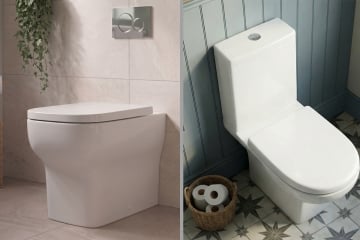
Learn how cable and pneumatic toilet flush buttons work, how to identify your mechanism and what to check before buying a replacement.
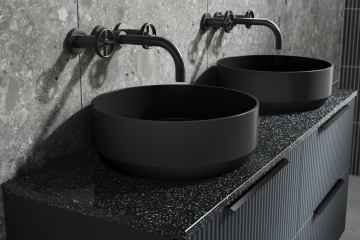
Selecting a basin for a vanity unit requires careful consideration of physical compatibility and plumbing clearances, not just aesthetic appeal. Ensuring the dimensions, mounting style, tap placement, and waste configuration align will prevent installation issues.
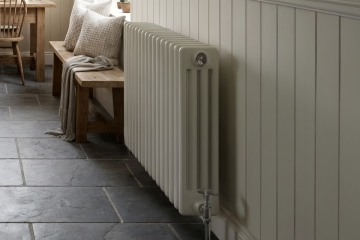
Column radiators are popular because they combine traditional styling with good heat output, but the right model depends on the room, wall space, BTU requirement and existing pipework. This guide explains the practical differences between column counts, orientation and heat output so you can choose a model that suits your room and existing setup.

By signing up I agree to receive HeatandPlumb.com emails and to the privacy policy. I can also unsubscribe at any time