
0
£0.00
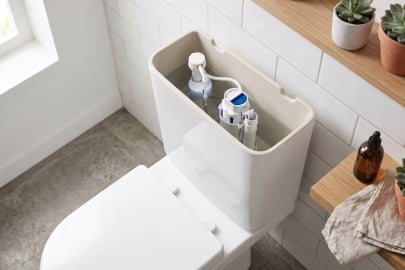
If your toilet will not flush properly, the cause usually lies inside the cistern, the flush mechanism, or further along the waste pipe. The first step is identifying exactly what happens when you press the button or pull the handle.
Match the symptom you are experiencing with the likely area in the diagnostic table below to help narrow down the fault.
| What you notice | Likely area | What it may mean | What to check next |
|---|---|---|---|
| Flush button feels loose or does nothing | Flush mechanism | The connection between the button and the valve may have come loose or failed. | Check the button, pneumatic tube or cable. |
| Handle moves but no flush happens | Siphon or lever | The internal link or siphon diaphragm may be worn, torn or disconnected. | Check the lever arm inside the cistern. |
| Flush is weak or short | Cistern or pan | Low water volume, a sticking valve, or blocked rim holes. | Check the cistern water level and under the rim. |
| Cistern fills very slowly | Water inlet | A restricted inlet valve or partially closed isolation valve. | Check the water supply and fill valve. |
| Water rises in the pan | Waste pipe or trap | A blockage is preventing water from leaving the pan properly. | Check whether the water eventually drains away. |
| Water keeps running into the pan | Flush valve seal | The internal seal is failing to close correctly. | Observe the valve seating at the base of the cistern. |
| Toilet flushes once, then struggles | Fill valve | The cistern is not refilling fast enough between flushes. | Time how long the cistern takes to refill. |
If the button feels loose or the handle moves without resistance, the mechanical connection inside the cistern may have failed or come loose. The cistern may still be full of water, but the mechanism is not releasing it.
Modern concealed systems use flush plates or push-buttons connected to an internal valve by a physical cable or pneumatic tube, which can unclip, snap, or lose pressure over time. Older plumbing layouts rely on a traditional lever and toilet siphon setup. If an older handle isn't flushing, it usually points to a worn, snapped or disconnected part inside the lever and siphon mechanism.
A weak flush is not always a blocked pan. A low water level in the cistern reduces the momentum required to clear waste effectively. A worn or sticking flush mechanism may close too early, releasing only a partial cistern of water.
Blocked holes under the toilet rim can also restrict the water entering the bowl, disrupting the clearing action. Additionally, a partial blockage in the internal trap can slow the exit flow, making the flush appear weak even if the cistern is operating normally.
A delay in the cistern replenishing its water supply usually points to a faulty fill valves or a partially closed isolation valve on the feed pipe. A slow refill will make the next flush weak because the cistern hasn't collected enough water to generate a strong clearing action. If the toilet flushes perfectly after a long wait but struggles immediately after, the fill valve may need checking or replacing.
If water rises in the bowl when you flush, there is a blockage further along the trap or the main waste pipe. The issue here is not the flush valve, as the cistern is releasing water into the bowl, but the waste cannot escape properly.
Check whether the water level slowly drops back down. Check if other fixtures, like basins or baths, are also draining slowly or making unusual noises, which may point to a wider drainage issue rather than an isolated toilet fault.
If water continues running into the pan after the flush, the issue is usually linked to the flush valve seal, overflow setup or internal cistern mechanism. This is slightly different from a toilet that will not flush at all, because water is entering the pan but not stopping cleanly afterwards. If this is the main symptom, you can find a full breakdown in our guide on how to fix a running toilet.
Many cistern-related flush faults can be resolved with compatible replacement parts, provided the toilet pan and waste pipe are clear. A broken flush button, a sticking mechanism, or a faulty siphon can often be dealt with using replacement spares, without changing the toilet pan or bathroom layout.
However, considering a full replacement unit may be worthwhile if the toilet is old, cracked, difficult to source parts for, or if you are updating the wider bathroom. If you are starting fresh, our toilet buying guide explains the different options available, as the internal components required for standard close coupled toilets will differ from those used in concealed setups serving back to wall toilets or wall hung toilets.
Before ordering replacement components, gather the following details about your current setup to ensure compatibility:

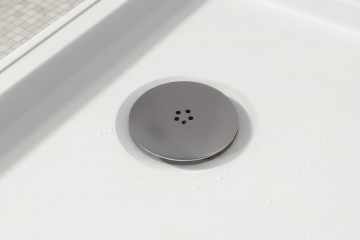
Learn about shower tray waste types, sizes, traps and flow rates, with practical advice on choosing a compatible replacement.
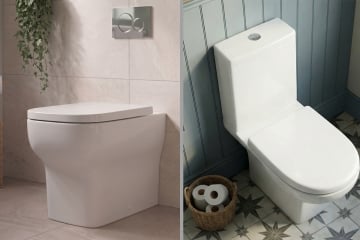
Learn how cable and pneumatic toilet flush buttons work, how to identify your mechanism and what to check before buying a replacement.

A weak shower is often caused by a mismatched shower head, built-up limescale, restrictive pipework, a poorly specified water system or an incompatible pump. Pinpointing the root of the problem saves money and helps avoid buying replacement hardware that was never going to solve the underlying issue.

By signing up I agree to receive HeatandPlumb.com emails and to the privacy policy. I can also unsubscribe at any time