
0
£0.00
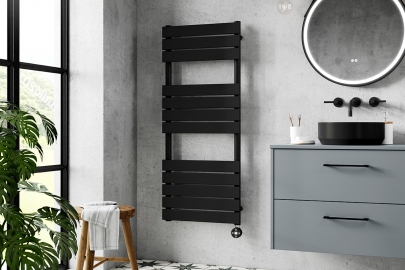
When you're replacing radiators or planning a heating system, the sheer number of options can be a bit baffling. Panel, convector, column, designer - what's the actual difference, and does it matter?
It does matter, because each type has specific advantages depending on your space, budget, and heating needs. Here's our guide to what's out there.
These are the standard issue in most UK homes, fitted by builders and plumbers because they deliver reliable performance without complications. The design uses internal fins to heat air passing through the unit, creating a natural circulation where warm air rises and cooler air gets drawn in from below. This process heats rooms relatively quickly compared to older radiator designs that relied purely on radiated heat.
The numbering system - Type 11, Type 21, Type 22 - indicates how many panels and fin sets are inside. A Type 22 packs two panels with two fin arrays, giving you maximum heat output from a given wall space.
These represent solid value for money; nothing fancy, but they'll keep your rooms comfortable without breaking the bank on either purchase price or running costs.
Pro Tip: Our guide on convector radiators explains the technical aspects in more detail if you want to understand exactly how the systems operate.
These types of radiators feature vertical tubes that evoke the aesthetic of older buildings, particularly Victorian and Edwardian properties where substantial cast iron radiators were originally installed.
Original cast iron versions were incredibly heavy and slow to respond to temperature changes, though they held heat well once warmed. Contemporary versions use steel construction, reducing weight significantly whilst maintaining the classic appearance that suits period architecture.
They're particularly popular when renovating older homes where maintaining architectural character matters - but modern construction can accommodate them too if you prefer their look over contemporary designs.
The trade-off for visual appeal is slightly reduced efficiency compared to convectors of equivalent dimensions. You're basically accepting a small performance compromise in exchange for better aesthetics.
Panel radiators are simple flat panels without convector fins, offering a slimmer profile that works well in specific situations.
The reduced depth makes them suitable for locations where space is limited - beneath low windowsills, in narrow hallways, or anywhere a deeper convector would protrude awkwardly. They produce adequate heat for most applications when sized correctly, just not quite as much as convector equivalents.
Type 10 indicates a single panel, Type 20 means doubled panels for increased output. Some versions include decorative grilles that marginally improve heat distribution whilst improving appearance.
These represent basic functionality at accessible prices, which is sometimes exactly what a project needs rather than anything elaborate.
This category covers radiators where appearance takes priority over pure utility, ranging from subtle improvements to dramatic statement pieces.
You'll find vertical models extending floor to ceiling, unusual colour finishes like anthracite grey or bronze, mirrored stainless steel surfaces, and sculptural forms that bear little resemblance to traditional radiators. Some integrate towel rails or function as room dividers.
Heat output becomes variable depending on the specific design; slender vertical radiators might struggle to adequately warm larger spaces despite looking impressive, so checking BTU ratings against actual room requirements is essential rather than purchasing on appearance alone.
Pricing climbs significantly compared to standard options, sometimes dramatically so. When renovating to a high standard where details matter, they can transform how a space feels. Just ensure the attractive radiator you've chosen will actually keep the room comfortable.
Purpose-built for bathrooms, featuring horizontal rails where towels can hang and warm whilst the unit heats the surrounding space.
Having a warm towel waiting when you step out of the shower is genuinely lovely during colder months. Chrome plating is standard, though alternatives like brushed nickel or matt black finishes can coordinate with other bathroom fittings.
Heat output typically runs lower than standard radiators of similar dimensions because the rail design prioritises towel capacity over maximum thermal efficiency. Bathrooms don't usually need massive heat anyway, so this compromise rarely causes problems.
Electric versions operate independently from your central heating system, which means you can have warm towels during summer without running the boiler just for one room.
These connect to mains electricity rather than your heating system's water circuit, operating completely independently of your boiler.
They solve problems in spaces where extending pipework would be impractical - conservatories, converted garages, home extensions where accessing existing heating circuits means major disruption. Installation simply requires mounting and electrical connection, avoiding any plumbing work.
Electricity costs more per unit than gas, so these make less sense as primary heating unless you're off the gas network entirely. For supplementary heat or occasional use in specific rooms, they work well without affecting your main system.
Contemporary models often include smartphone controls for scheduling and remote temperature adjustment, adding convenience for spaces used intermittently.
Begin by calculating your room's heat requirement using its volume, insulation quality, external wall count, and window area. Online calculators can handle this, or a heating engineer can assess it during a site visit.
Consider physical constraints next. Convectors deliver better efficiency but need deeper wall space, whilst panels stay slimmer at the cost of some performance. Your available wall space and any obstructions like low windows will influence what actually fits.
Budget plays an obvious role. Standard convectors run £50-150 depending on size and specification, whilst designer options easily reach £300-800 or beyond. Consider whether the visual upgrade justifies the cost difference for your particular situation.
Think about visibility too. Radiators hidden behind furniture can be purely functional, but those on prominent display might warrant spending more for improved appearance, particularly in renovated spaces where other finishes are high quality.
Proper installation significantly impacts performance, regardless of which radiator type you've selected.
Positioning on external walls beneath windows provides the best results, counteracting cold air infiltration and preventing condensation on glass surfaces. Modern double glazing reduces this concern compared to older single-pane windows, but the principle still holds.
Avoid placing furniture or heavy curtains directly in front of radiators where they'll obstruct heat circulation. This forces your system to work harder whilst delivering less warmth to the room, wasting energy and money.
Annual bleeding removes trapped air that creates cold spots and reduces efficiency. This simple maintenance task takes minutes and keeps everything running optimally.
At Heat and Plumb, we stock over 30,000 bathroom and heating products: from standard convectors to premium designer pieces, we've got practical solutions for every home and every room.
Plus, our free delivery promise across most of the UK eliminates those pesky additional costs that crop up during renovations. And with two decades of supplier relationships, we can often offer better pricing on recognised brands than larger competitors.
Our technical sales staff can assess your heat requirements and recommend appropriate radiators rather than simply processing orders - so browse our heating fixtures designed with aesthetics in mind today and give your home the cosy warmth upgrade that it - and you - deserve.

Convector radiators with Type 21 or Type 22 configurations deliver the best efficiency because their internal fins maximise the surface area exposed to circulating water. They warm rooms faster and maintain stable temperatures more effectively than basic panels of equivalent size, though proper sizing matters more than radiator type for overall efficiency.
Calculate your room's BTU requirement using its dimensions, insulation quality, number of external walls, and window area. Online BTU calculators can process this information, or a heating professional can evaluate during a consultation. Match or slightly exceed the calculated BTU figure when selecting your radiator, checking manufacturer specifications for heat output data.
Generally yes, provided the replacement produces sufficient heat for the space and connections align with existing pipework. Switching between side-entry and bottom-entry radiators might require new valves, but this is straightforward. The main consideration is ensuring pipe centre spacing matches, though adaptors can solve minor discrepancies.
That depends entirely on your priorities and budget. Designer radiators don't inherently heat better than standard versions - you're investing in appearance and sometimes build quality. High-end renovations where every detail contributes to the overall effect justify the expense. Budget projects or rental properties make more financial sense with standard options.
Single panels contain one heating element, whilst doubles stack two together with convector fins between them. Doubles generate approximately 50-75% more heat than singles with identical dimensions, though they project further from the wall. This makes singles suitable where depth is limited and doubles better where maximum output from limited wall space is needed.
Yes, because electricity pricing per unit exceeds gas costs, making electric radiators more expensive for equivalent heat output. They make practical sense for occasional use, locations where extending central heating is impractical, or supplementary heating. Using them as primary winter heating results in significantly higher running costs compared to gas-fired central heating systems.
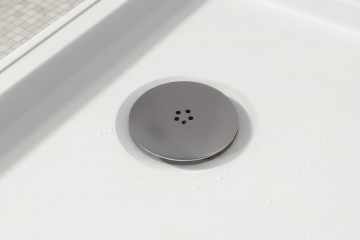
Learn about shower tray waste types, sizes, traps and flow rates, with practical advice on choosing a compatible replacement.
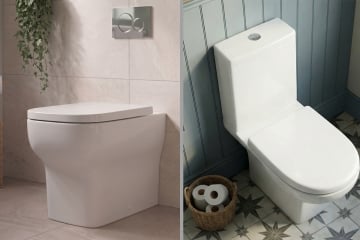
Learn how cable and pneumatic toilet flush buttons work, how to identify your mechanism and what to check before buying a replacement.
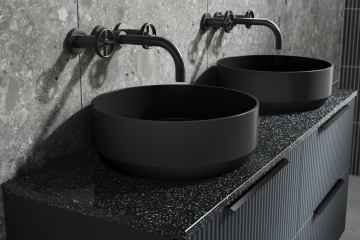
Selecting a basin for a vanity unit requires careful consideration of physical compatibility and plumbing clearances, not just aesthetic appeal. Ensuring the dimensions, mounting style, tap placement, and waste configuration align will prevent installation issues.

By signing up I agree to receive HeatandPlumb.com emails and to the privacy policy. I can also unsubscribe at any time