
0
£0.00
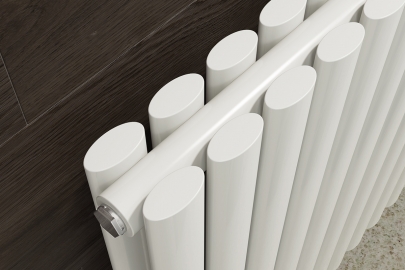
When you're replacing radiators or fitting new ones, you'll quickly hit this question: single or double panel?
It's not complicated, but getting it wrong means either wasting money or having a cold room. Let's sort out which you actually need.
A single radiator contains one panel of metal that heats up when hot water flows through it, whilst a double radiator has two panels positioned one behind the other with convector fins sandwiched between them. The fundamental principle is straightforward - more metal surface area in contact with the hot water means more heat gets transferred into your room.
Single radiators measure around 50-60mm deep, making them relatively slim and unobtrusive against your wall. Doubles are chunkier at typically 100-110mm deep because they're accommodating that second panel and the fin system. The extra depth isn't massive, but it becomes relevant if you're working with limited space or trying to fit something under a low windowsill where every millimetre counts.
The visual difference is minimal from the front - both look like flat white panels - but the performance gap is substantial.
A double radiator produces roughly 50-75% more heat than a single radiator with identical width and height dimensions, which represents a significant performance difference that directly impacts whether your room stays comfortable.
If you've got a 1200mm x 600mm single radiator putting out 3000 BTUs, the double version in the same dimensions might deliver 4500-5000 BTUs. That extra output can be the difference between a room that's adequately heated and one that struggles to reach comfortable temperatures, particularly during the coldest winter months.
For larger rooms or properties with poor insulation, that additional heat output becomes essential rather than just nice to have. For smaller rooms or well-insulated modern houses built to current standards, you might genuinely not need it and would be spending money unnecessarily.
Small rooms simply don't require massive heat output to reach and maintain comfortable temperatures. A bedroom, cloakroom, or small home office often does perfectly fine with a single panel radiator that's been properly sized for the space, without needing to invest in the additional cost and bulk of a double.
They're also particularly brilliant under low windows where a double radiator would stick out too far into the room or block access to the windowsill. Victorian and Edwardian houses often have those lovely tall windows but surprisingly low sills, and in these situations, single radiators provide the only practical solution that doesn't compromise on either heating or room functionality.
From a cost perspective, singles are cheaper to purchase - not massively so, but when you're fitting radiators throughout an entire house, those differences accumulate into meaningful savings. They're also lighter in weight, which makes installation slightly easier if you're tackling it yourself and reduces the stress on your wall fixings.
Big rooms need more heat to reach comfortable temperatures, and this is where double radiators come into their own. Living rooms, kitchens, and open-plan spaces usually benefit significantly from the extra output that double radiators provide, particularly in older properties where room sizes tend to be more generous.
Rooms with poor insulation, multiple external walls, or large windows lose heat much faster than well-insulated spaces with minimal external exposure. A double radiator helps compensate for these heat losses without requiring you to fit something absolutely enormous on your wall that dominates the room visually.
If you're replacing an old radiator and your room has always been a bit cold despite the heating running properly, stepping up to a double often solves the problem completely. It's cheaper and simpler than adding extra radiators elsewhere in the room or extending pipework to accommodate multiple units.
You'll encounter these codes constantly when shopping for radiators, and understanding them helps you make informed decisions about heat output.
Type 21 means two panels with one set of convector fins positioned between them, creating efficient heat transfer through both radiation and convection. Type 22 has two panels and two sets of fins, maximising the convection effect and giving you the absolute maximum heat output available from a double radiator configuration.
There's also Type 11, which is a single panel with fins (more efficient than a basic panel), and Type 10, which is a single panel without any fins (the most basic option). For most residential situations, Type 21 or Type 22 double radiators represent the sweet spot between performance and cost, delivering excellent heat output without becoming unnecessarily expensive.
Doubles stick out more from the wall, and in tight hallways or rooms with awkward furniture layouts, that extra 50mm of depth can genuinely create problems with traffic flow or furniture placement that you hadn't anticipated when planning.
Spaces behind doors, in alcoves, or under stairs often suit slimmer single radiators better because you're working with constrained dimensions where every bit of depth matters. You definitely don't want your radiator preventing a door from opening fully or forcing you to rearrange your entire furniture layout to accommodate it.
Modern designer radiators complicate this simple single-versus-double calculation because they come in all sorts of configurations that don't follow traditional sizing. A tall, slim vertical designer radiator might put out as much heat as a standard horizontal double, but in a completely different footprint that works better for certain room layouts.
Both types install using the same basic process - identical pipe connections, same wall bracket system, same general procedure for mounting and connecting to your heating system. The only meaningful difference during installation is the weight you're dealing with.
Double radiators are substantially heavier than singles of the same dimensions, so you need to ensure your wall fixings are properly solid and capable of supporting the load long-term. Plasterboard alone won't reliably hold them - you need to either hit timber studs behind the plasterboard or use proper heavy-duty cavity fixings designed for significant weight.
If you're replacing a single with a double using the same pipe connections, everything should swap over straightforwardly without needing any plumbing modifications. Same valve positions, same pipework routing. Just make sure the new radiator physically fits in the available space before you order it, checking both width and depth against your room dimensions.
Here's where people often get confused and assume that a double radiator automatically costs more to run than a single because it's bigger and produces more heat.
The reality is more nuanced. Your heating system works to maintain your desired room temperature regardless of which radiator you've fitted. If a single radiator can't generate enough heat to reach that temperature, your boiler simply runs for longer periods trying to compensate, potentially using more energy overall.
A properly sized double radiator might actually reduce running costs because it reaches the target temperature faster and maintains it more efficiently without the system having to work continuously. The boiler cycles less frequently, which can improve overall system efficiency.
That said, fitting an oversized radiator in a small room does waste energy because you're heating more metal than necessary and potentially overheating the space. There's definitely a balance to strike between adequate output and excessive capacity.
Work out your room's BTU requirement first using either an online calculator or consultation with a heating professional. You'll need to factor in room size calculated by multiplying length by width by height, insulation quality throughout the space, number of external walls that lose heat to the outside, and the size and orientation of windows.
Once you know the BTU number your room requires, you can look at radiator specifications to see whether a single or double radiator in your preferred dimensions will deliver adequate output. Radiator manufacturers always list heat output in their specifications, making this comparison straightforward.
If a single radiator gives you enough BTUs for your calculated requirement and fits your available space better, that's your answer. If you need the extra output that only a double provides, then invest in the double despite the additional cost and depth.
Don't just guess based on what seems reasonable or what your neighbour has fitted. A room that's consistently slightly too cold is genuinely miserable to spend time in, whilst an oversized radiator represents wasted money both in purchase cost and ongoing running expenses.
Most living rooms and kitchens throughout the UK have double radiators fitted as standard because these rooms tend to be larger and used more frequently, requiring reliable heat output. Most bedrooms and smaller spaces have singles because they're adequately sized for rooms where people spend less time and comfort requirements are slightly lower.
That's the typical setup you'll find in the majority of homes, though your specific property might vary depending on age, construction methods, and how previous owners approached heating. If you're unsure what you need, measure your existing radiators and note down what type they are from the manufacturer's label or by counting panels.
If the room maintains comfortable temperatures with your current setup, stick with the same specification when replacing. If it's always felt cold despite the heating running properly, step up to higher output. If it's consistently too hot and you're opening windows in winter, you could potentially downsize and save money.
At Heat and Plumb, we've spent over 20 years helping people get their heating right, and we stock more than 30,000 products across everything from basic convector radiators to statement designer pieces. Whether you're after a compact single for a box room or a high-output double for your main living space, our full range of luxury radiator styles covers pretty much every scenario.
We offer free delivery to most of the UK because we know that when you're buying multiple radiators for a whole house, those delivery charges add up quickly. Our pricing is often more competitive than the big-name retailers too - two decades of supplier relationships means we can pass genuine savings on rather than just claiming we do.
What sets us apart is having technical sales staff who actually understand heating systems, not just people reading from product descriptions. If you're unsure whether you need a single or double for a specific room, or you're confused about BTU calculations or heating system differences, we can talk you through it properly and recommend radiators that'll actually keep you comfortable.

Calculate BTU requirements by measuring your room volume (length x width x height in metres, then multiply by 153 for a standard starting calculation). Adjust this figure upwards if you've got poor insulation, multiple external walls, large windows, or north-facing rooms that receive less natural warmth. Adjust downwards for well-insulated spaces or south-facing rooms that benefit from solar gain. Online BTU calculators simplify this process considerably, or a heating engineer can assess your specific situation during a consultation and account for all the variables that affect heat requirements.
Yes, you can replace a single with a double provided the double produces appropriate heat output for the room size and physically fits within your available wall space without causing clearance problems. The pipe connections should match up since most radiators use standard valve positioning, making the swap straightforward from a plumbing perspective. You will need to check that your wall fixings are adequate for the increased weight, potentially upgrading to stronger brackets or fixings. Also verify that the increased depth won't interfere with furniture placement or door operation before committing to the purchase.
Double radiators take slightly longer to reach full operating temperature compared to singles because there's more metal mass that needs warming through. The difference is fairly minimal with modern radiator designs though - perhaps a few extra minutes at most. Once they've reached operating temperature, doubles maintain heat extremely well and keep rooms at comfortable temperatures more consistently than undersized singles that struggle to keep up with heat losses, particularly during very cold weather.
Type 22 indicates a radiator with two panels and two sets of convector fins positioned between them, providing maximum heat output for a double radiator configuration. The numbering system uses the first digit to show panel count and the second to show the number of fin sets. Type 21 (two panels, one fin set) produces slightly less heat but costs less. Type 11 is a single panel with one fin set, whilst Type 10 is the most basic configuration with a single panel and no fins at all.
Thicker radiators aren't automatically better - they produce more heat, but only deliver value if your room actually requires that additional output to reach comfortable temperatures. An oversized radiator in a small, well-insulated room wastes both money and wall space whilst potentially overheating the area. The best approach is matching radiator output to your room's calculated BTU requirement rather than simply buying the largest unit that'll physically fit on your wall.
Doubles typically cost 30-50% more than equivalent singles in the same dimensions, though exact pricing varies significantly depending on brand, quality, and specification. A basic single panel radiator might cost £60-100, whilst the double version in the same size runs £90-150. For designer radiators with premium finishes or unusual configurations, the price gap can be considerably larger. Factor in that doubles might actually save money over the long term through improved efficiency if they're properly sized for your room's requirements.
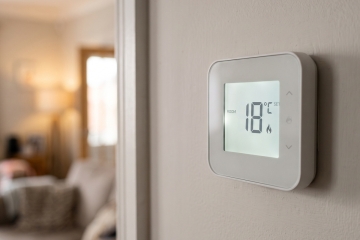
What temperature should your home be? Find out how a cold house may affect your health, who is most at risk and when to put the heating on.
The amount of energy your home needs will depend on the property, the heating system, how well the house holds heat and how often each room is being used. A heating schedule that works for one household might be completely wrong for another.
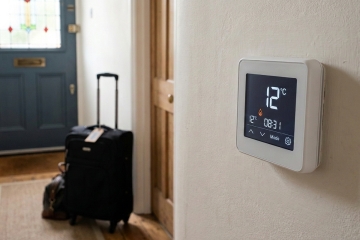
If you're going away during colder weather, leave the heating system powered and turn the thermostat down rather than switching the boiler off completely.

By signing up I agree to receive HeatandPlumb.com emails and to the privacy policy. I can also unsubscribe at any time