
0
£0.00
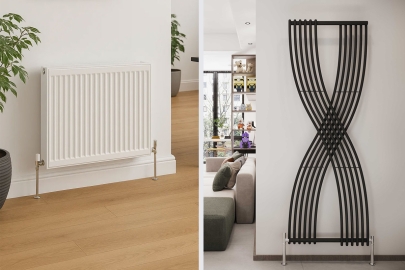
The gap between designer and standard radiators extends far beyond aesthetics into manufacturing quality, heat output efficiency, longevity, and whether the premium price actually delivers proportional value.
Understanding these differences helps you decide whether designer radiators justify their cost or if standard panels provide adequate heating at a fraction of the price. Here's what genuinely separates them.
| Feature | Standard Radiators | Designer Radiators |
|---|---|---|
| Primary Focus | Maximum thermal efficiency | Aesthetic/Architectural design |
| Material | Mild Steel | Aluminum, Stainless, Premium Steel |
| Best Used In | Utility/Hidden/Secondary rooms | Living, Hallway, Feature spaces |
| Lifespan | 10-15+ Years (Mild Steel) | 20+ Years (Stainless/Aluminium) |
Designer radiators prioritise aesthetics alongside function, featuring distinctive shapes, premium finishes, or architectural profiles that make them room features rather than necessary evils you try hiding behind sofas.
They might be vertical columns in brushed brass, horizontal ladder designs in matt black, sculptural panels resembling modern art, or minimalist flat panels with integrated mirrors. The visual appeal is deliberate and considered rather than purely utilitarian.
Manufacturing typically involves premium materials - stainless steel, aluminum, or high-grade steel with superior finishing processes. The powder coating or plating creates durable attractive surfaces in colours beyond standard white.
Standard radiators are functional panels designed to heat rooms efficiently at minimum cost. They're typically white-painted steel panels in conventional horizontal formats that prioritise heat output per pound spent over visual impact.
The construction uses thinner steel with basic white paint finishes that work adequately but aren't particularly durable or attractive. They're appliances rather than design elements.
Designer radiators don't inherently produce more or less heat than standard radiators of equivalent surface area - the physics of hot water transferring heat to air doesn't change based on how attractive the radiator looks.
However, some designer profiles sacrifice heat output for aesthetics. A sculptural radiator with large gaps or minimal surface area can produce significantly less heat than a compact double panel radiator occupying the same wall space.
Vertical designer radiators concentrate heat output in narrow wall widths, which can be useful for tight spaces but creates less even heat distribution than horizontal panels spreading warmth across wider areas.
Standard Type 22 double panel radiators maximise heat output per square metre of wall space through dense panel construction and convector fins. They're engineered purely for thermal efficiency without aesthetic compromises.
Always check BTU ratings rather than assuming size indicates output. A large designer radiator might produce less heat than a smaller standard panel if the designer piece prioritises form over thermal function.
Designer radiators typically use superior materials and construction methods that genuinely affect longevity and performance beyond just appearance:
Standard radiators use adequate materials that perform their function without premium durability. A standard panel might last 12-15 years before showing significant deterioration, whilst quality designer radiators easily exceed 20 years with proper maintenance.
Standard radiators cost £40-150 typically depending on size and type. A Type 22 double panel convector in 1200mm x 600mm runs about £80-100 from mainstream suppliers.
Designer radiators start where standard radiators end - budget designer pieces begin around £150-200, with most quality options ranging £300-600. Premium designer radiators from prestigious brands easily exceed £800-1500.
The 3-10x price premium reflects materials, manufacturing complexity, brand positioning, and the aesthetic value rather than purely functional heating capability.
For rooms where radiators stay visible and impact overall design - living rooms, dining rooms, hallways - the premium might justify itself through improved aesthetics and quality. For utility rooms or spaces where radiators hide behind furniture, standard panels make more financial sense.
Standard radiators are installed using conventional wall brackets and standard plumbing connections. Any competent plumber handles installation without special considerations or techniques.
Some designer radiators require specialised mounting hardware or precise positioning to achieve intended visual effect. Vertical radiators particularly need secure wall fixings capable of supporting concentrated weight at specific points.
The installation labour costs are similar for most configurations, though unusually heavy or awkward designer pieces might require additional time and potentially two-person handling.
Standard white radiators show dust and marks readily but clean easily with damp cloths and standard cleaners. The simple panel construction provides few crevices where dirt accumulates.
Designer radiators with complex profiles, multiple tubes, or decorative elements require more careful cleaning to access all surfaces. Ladder-style towel radiators particularly collect dust between bars.
However, premium finishes on designer radiators often resist marking and staining better than basic paint. Matt finishes hide fingerprints and minor marks that show clearly on glossy white standard panels.
Chrome or brushed metal finishes need appropriate cleaning products avoiding abrasive materials that scratch protective coatings. Standard white radiators tolerate harsher cleaning without finish damage.
Designer radiators suit spaces where they'll be seen and appreciated - living rooms, dining rooms, hallways, master bedrooms. The premium you're paying for aesthetics should actually enhance visible spaces.
Contemporary open-plan living areas particularly benefit from designer radiators that coordinate with modern furnishings rather than clashing as purely functional appliances.
Standard radiators work in bedrooms, spare rooms, utility areas, and spaces where furniture placement means radiators aren't prominently visible anyway. Why pay premium prices for hidden radiators?
Bathrooms occupy middle ground - heated towel rails combine function with design, whilst standard panels work fine if you're prioritising budget over aesthetics.
Neither type is inherently more energy efficient when producing equivalent heat output. A 2000 BTU designer radiator costs exactly the same to run as a 2000 BTU standard radiator.
However, aluminum designer radiators respond faster to temperature changes, which can reduce the overshoot where rooms get too warm before thermostats react - though any efficiency gain from this will be marginal for most households.
The real efficiency consideration is ensuring adequate BTU output for your room regardless of radiator type. Undersized designer radiators look attractive whilst leaving you cold and wasting energy through extended boiler run times.
And when you're planning radiator replacements or upgrades, understanding convector technology helps with efficient heating; our guide explaining what convector radiators are covers how different designs affect heat distribution.
Twenty years in this business taught us that designer versus standard isn't a universal answer - it depends entirely on which rooms you're heating and what matters to you beyond warmth. We've sold both types successfully because they serve genuinely different needs and budgets.
Our stock covers everything from basic panels at £50 to statement designer pieces exceeding £1000. What we offer beyond products is honest assessment of whether designer radiators actually suit your situation. Sometimes that answer is "absolutely, your open-plan living room deserves better than white panels." Other times it's "save the money, nobody sees radiators in that bedroom anyway." We guide based on your circumstances, not our preferences.
Decided that designer radiators suit your needs? Browse our full range of designer radiators at Heat and Plumb.

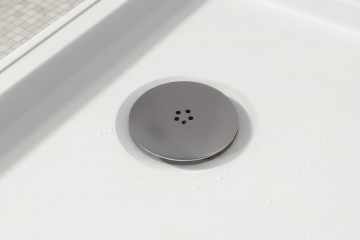
Learn about shower tray waste types, sizes, traps and flow rates, with practical advice on choosing a compatible replacement.
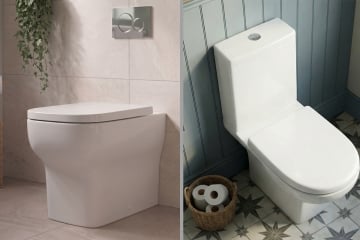
Learn how cable and pneumatic toilet flush buttons work, how to identify your mechanism and what to check before buying a replacement.
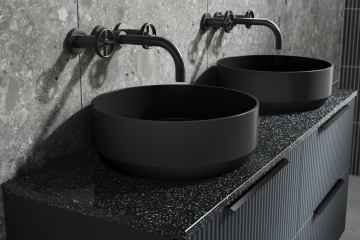
Selecting a basin for a vanity unit requires careful consideration of physical compatibility and plumbing clearances, not just aesthetic appeal. Ensuring the dimensions, mounting style, tap placement, and waste configuration align will prevent installation issues.

By signing up I agree to receive HeatandPlumb.com emails and to the privacy policy. I can also unsubscribe at any time