
0
£0.00
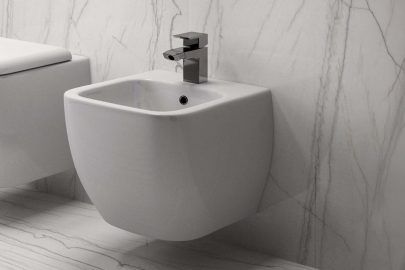
Incorporating a bidet into a modern bathroom can improve personal hygiene while helping to reduce daily toilet paper use. There are several distinct styles available to suit different bathroom layouts and plumbing capabilities.
The bidet originated in 17th-century France as a fixture designed for personal washing. Over time, it became a common feature in many European bathrooms. During the mid-20th century, some English-speaking countries developed misconceptions about its purpose, but the bidet's primary function has always been personal hygiene. In the late 20th century, Japan transformed the concept by developing electronic bidet technology, integrating warm-water washing and comfort features directly into the toilet seat.
The production and transportation of toilet paper requires significant natural resources, including water, energy, and raw materials. Many homeowners choose bidets as a way to reduce their overall toilet paper consumption and lower the environmental impact associated with disposable paper products. Replacing dry paper with a targeted water wash offers a sustainable and environmentally friendly approach. Many users find that a targeted water wash provides a more thorough and comfortable cleaning experience than dry toilet paper alone.
These smart attachments are fitted onto a standard toilet pan in place of a regular seat. Integrated nozzles provide a warm water wash, often accompanied by heated seats and air-drying functions.
Technical specifications vary depending on whether a traditional or electronic model is selected. Traditional ceramic bidets require both hot and cold water feeds to supply a standard mixer tap. Most electronic smart seats only require a cold water feed, as the internal heating system warms the water before use. An appropriate mains electrical connection is also required to power an electronic bidet.
Brassware for a ceramic bidet differs slightly from a standard basin tap. Bidet taps feature adjustable directional nozzles, allowing the water flow angle to be altered for optimal use. A slotted waste is required if the ceramic pan features a built-in overflow hole, whereas an unslotted waste is necessary for designs without an overflow.
Reduce your household's toilet paper footprint and improve your daily routine. Explore our extensive range of bidets to find the ideal solution for your bathroom layout.

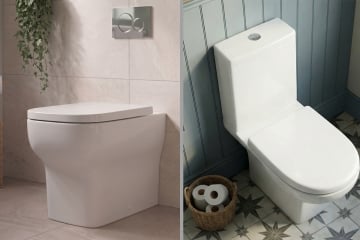
Learn how cable and pneumatic toilet flush buttons work, how to identify your mechanism and what to check before buying a replacement.
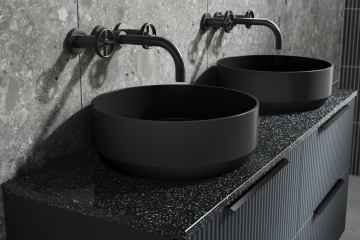
Selecting a basin for a vanity unit requires careful consideration of physical compatibility and plumbing clearances, not just aesthetic appeal. Ensuring the dimensions, mounting style, tap placement, and waste configuration align will prevent installation issues.
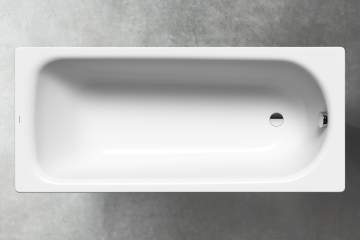
A common reason buyers hesitate over steel baths is the fear that the water will go cold quickly, or that the surface will chip if something is dropped on it. In practice, modern enamelled steel behaves differently from acrylic and has some useful advantages, particularly where rigidity and durability matter.

By signing up I agree to receive HeatandPlumb.com emails and to the privacy policy. I can also unsubscribe at any time